
We offer enamel, soft enamel, etching, printing & embossing techniques.
Evaluate each process on detail performance, durability, tooling cost and MOQ, to find the ideal solution for your artwork and market demands.
- Diverse Craft: Enamel, Quicksand, 3D Embossing & UV Printing Supported
- Precise Die Casting Creates Crisp Outline & Rich Texture
- Premium Zinc Alloy, Rust-proof With Durable Gloss Coating
- Custom Irregular Shapes & Stereoscopic Relief Design Available
- Reinforced Magnet Assembly, Stable & Not Easy to Fall Off
01
Match the artworkFlat, 3D, enamel, gradient or engraved?
02
Confirm the budgetTooling fee, unit cost and target quantity.
03
Approve the sampleCheck color, relief, plating and attachment.
04
Approve the sampleCheck color, relief, plating and attachment.
Quick answer
Choose the process before comparing prices
The manufacturing route determines how much detail can be reproduced, whether tooling is required, which finishes are available and how the keychain performs in daily use.
Buyer checkpoint: Ask every supplier to quote the same size, thickness, metal, plating, attachment, packaging and inspection standard.
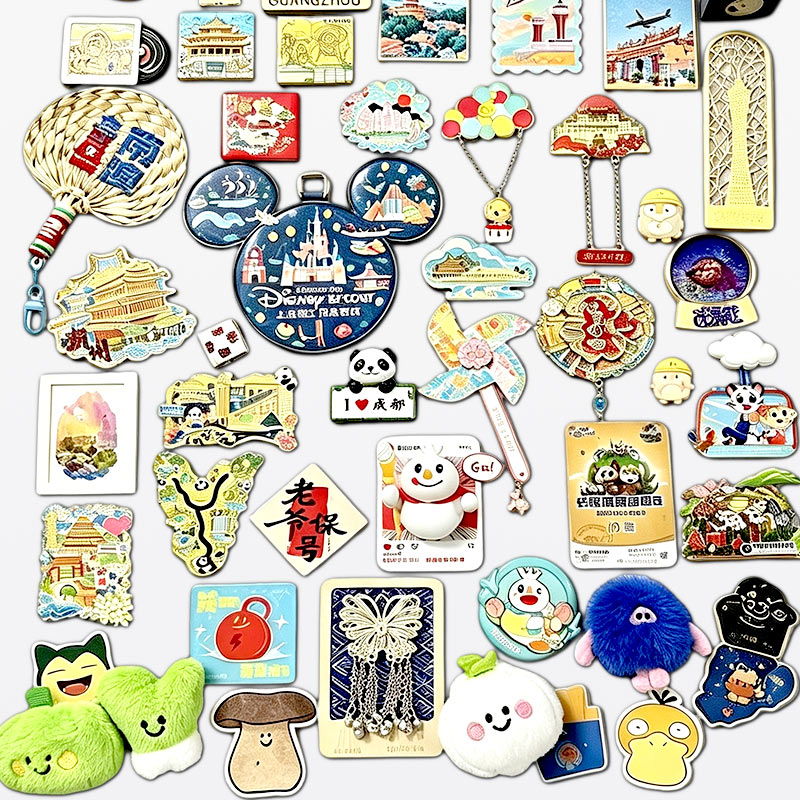
Process library
Compare all nine finishing and interactive processes
Each card highlights the best use case, visual character and practical sourcing consideration.
Baked Paint Finish
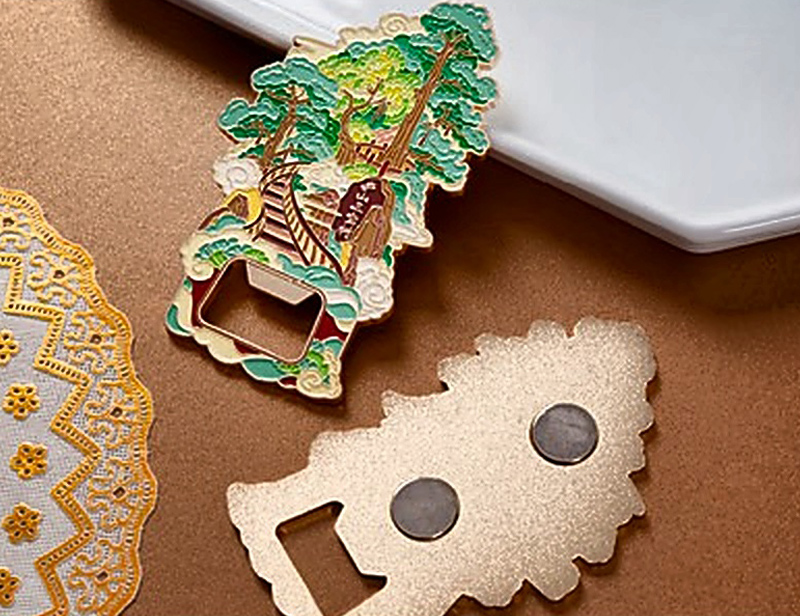
What it is: The surface has a clear raised-and-recessed texture — the colored parts sit down into the metal. Colors pop and it’s really glossy. Basically they carve lines into the metal, fill them with paint, then bake it on, so you get crisp lines, a 3D look, and tons of detail. It’s super common for custom products where you want quality and good looks.
Good stuff: Looks sharp and detailed, mid-range price.
Not so good: Takes a while to make.
UV Printing
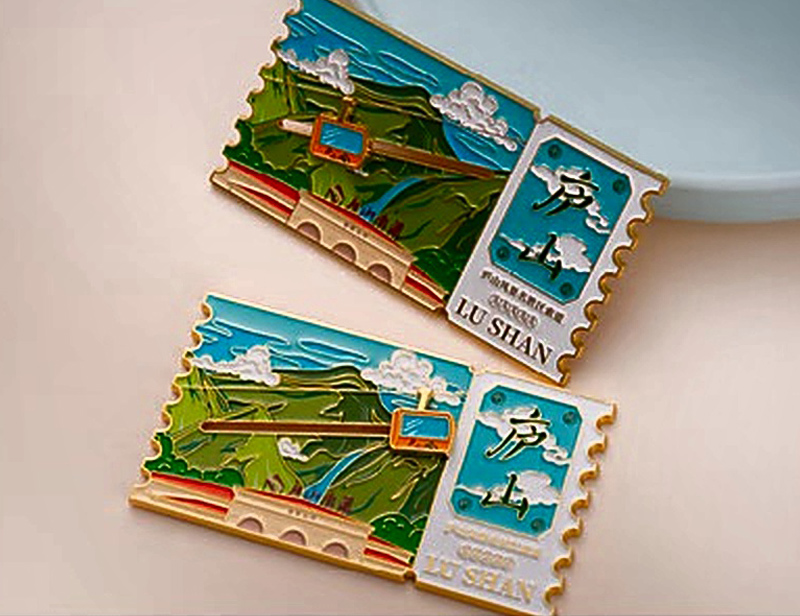
What it is: UV printing uses ultraviolet light to cure the ink as it prints. You get great color accuracy, it covers big areas, ships fast, and it’s pretty cheap. It works well for flat designs. It’s just not as crisp or as 3D-looking as baked paint or soft enamel, so it’s best when you don’t need super fine details and want it quick.
Good stuff: Fast turnaround, great colors, low cost.
Not so good: Not as crisp or detailed as baked paint or soft enamel.
Soft Enamel
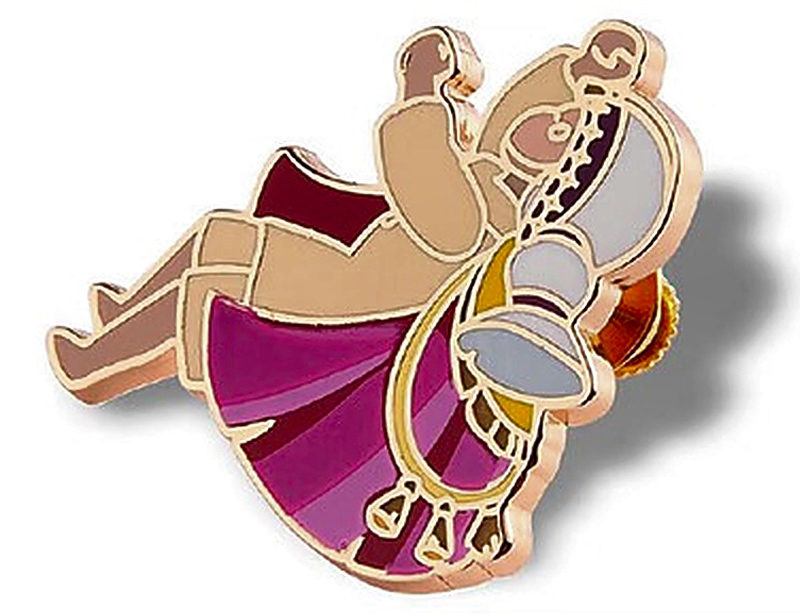
What it is: Soft enamel is basically the upgraded version of baked paint. You keep the same bright, layered colors, but they add a polishing step, so after plating it comes out flat and shiny. It just feels more premium, wears better, and looks nicer.
Good stuff: Smooth, glossy, premium look.
Not so good: Costs more, takes longer, and more pieces get scrapped.
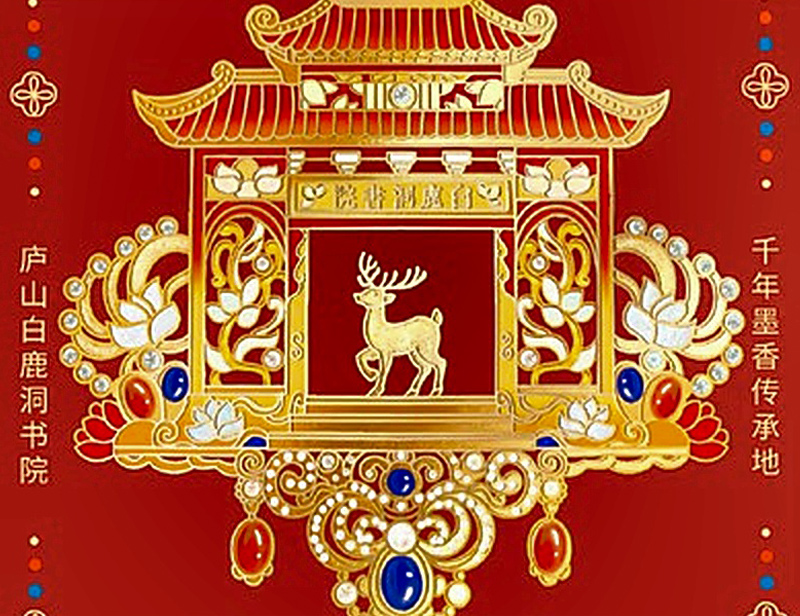
Glitter Finish
What it is: Glitter is usually added on top of baked paint or soft enamel. They mix fine glitter into the colors so it sparkles under the light — gives it that shiny, eye-catching vibe. It makes products look way more refined and attractive. Great for gifts, souvenirs, anything where you want it to stand out.
Good stuff: Looks great, really eye-catching.
Not so good: Takes longer and has more steps involved.
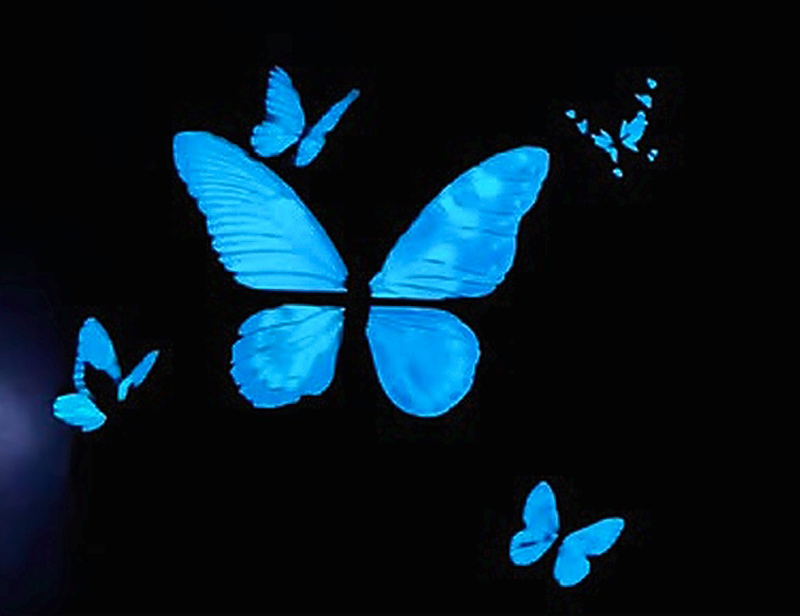
Color-Changing (Thermal)
What it is: This one uses heat-sensitive material on the surface. When it hits a certain temperature — usually body heat or a warmer room — the color changes or hidden patterns show up. Once it cools down, it goes back to normal. Fun little dynamic effect.
Good stuff: Fun and playful.
Not so good: Depends on temperature, so it can be finicky.
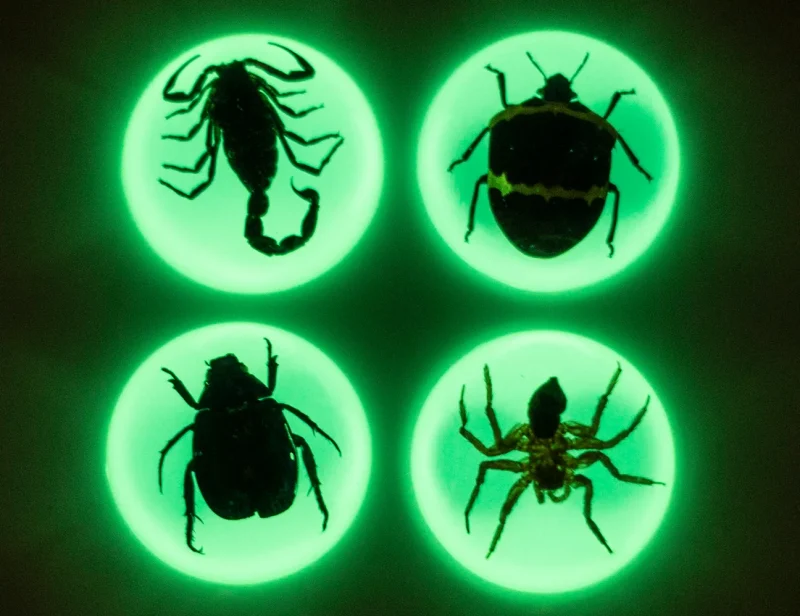
Glow-in-the-Dark
What it is: They add glow powder to the surface. It soaks up sunlight or any light source, then glows softly in the dark. It’s fun to look at, makes the product stand out, and adds value. You can combine it with baked paint, epoxy, or UV for a two-in-one effect — looks nice in the day, glows at night.
Good stuff: Fun, useful, more interactive.
Not so good: Has its limits (it can’t glow forever).
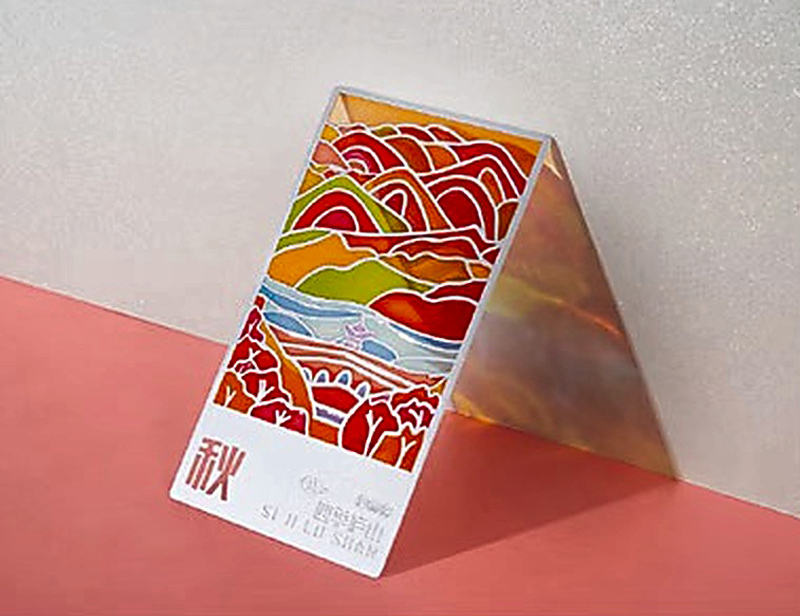
Translucent Resin (Clear Fill)
What it is: They laser-cut the design into metal bookmarks and fill the cutout areas with clear, see-through resin or paint. So you keep the metal look but get glass-like colored sections. When light hits it, those parts glow soft and colorful — looks really artistic and striking.
Good stuff: Artsy, clear see-through look.
Not so good: High scrap rate (a lot get ruined during production).
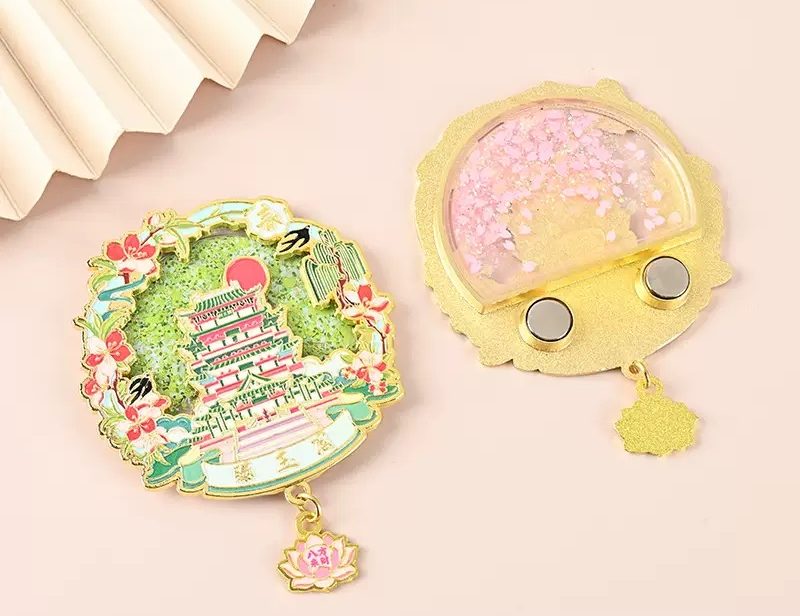
Sand / Liquid Flow
Good stuff: Super eye-catching, fun to play with.
Not so good: Costs a bit more.
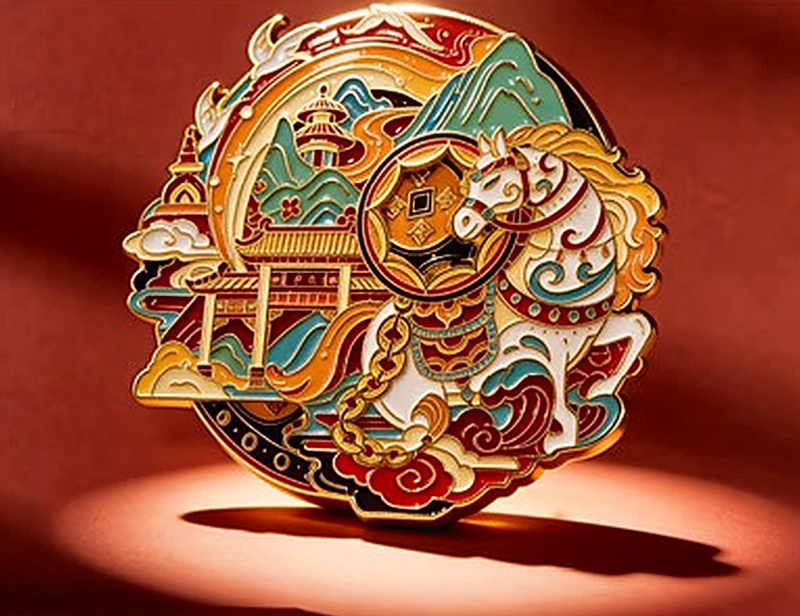
Spinning / Rotating Parts
What it is: This one uses a rotating mechanism — a center rivet or pivot point — so the top and bottom layers can spin 360° or flip open halfway. You just flick it and hidden designs or messages show up. Adds depth and is just fun to play with.
Good stuff: More depth, cool motion effects.
Not so good: Needs precise parts, so it’s tricky to make.
Buyer comparison
Side-by-side finish comparison
Use this table for initial sourcing. Final cost and MOQ depend on the approved specification.
| PROCESS | BEST FOR | HOW IT WORKS | LOOK / EFFECT | SPEED | CONSIDERATIONS |
|---|---|---|---|---|---|
| Baked Paint Finish | Detailed custom products | Paint fill + baking | Glossy recessed color | Medium | Takes a while |
| UV Printing | Fast flat designs | Low setup | Accurate full color | Fast | Less crisp and less 3D |
| Soft Enamel | Premium polished pieces | Plating + polishing | Smooth and glossy | Slower | Higher cost and scrap |
| Glitter Finish | Gifts and souvenirs | Added over color fill | Sparkling highlights | Slower | Extra production steps |
| Color-Changing (Thermal) | Playful novelty items | Heat-sensitive coating | Temperature color change | Medium | Temperature dependent |
| Glow-in-the-Dark | Nighttime visual effect | Glow powder | Soft glow after charging | Medium | Glow time is limited |
| Translucent Resin | Artistic metal cutouts | Laser cut + clear fill | Glass-like color | Slower | High scrap rate |
| Sand / Liquid Flow | Interactive gifts | Sealed liquid chamber | Moving glitter and flakes | Medium | Costs a bit more |
| Spinning / Rotating Parts | Reveal designs and messages | Rivet or pivot mechanism | 360° moving layers | Medium-slow | Requires precise parts |
Decision guide
Custom Metal Fridge Magnet Cases
2026 FIFA World Cup Metal Fridge Magnet Guangzhou Canton Tower Stadium Map
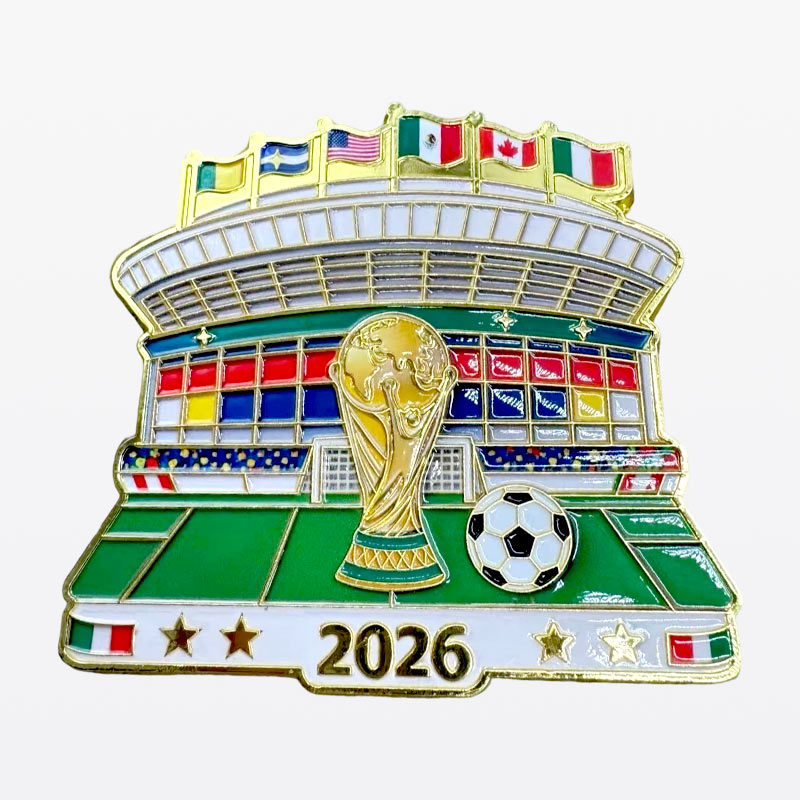
2026 FIFA World Cup Metal Fridge Magnet Stadium Trophy Flags Souvenir
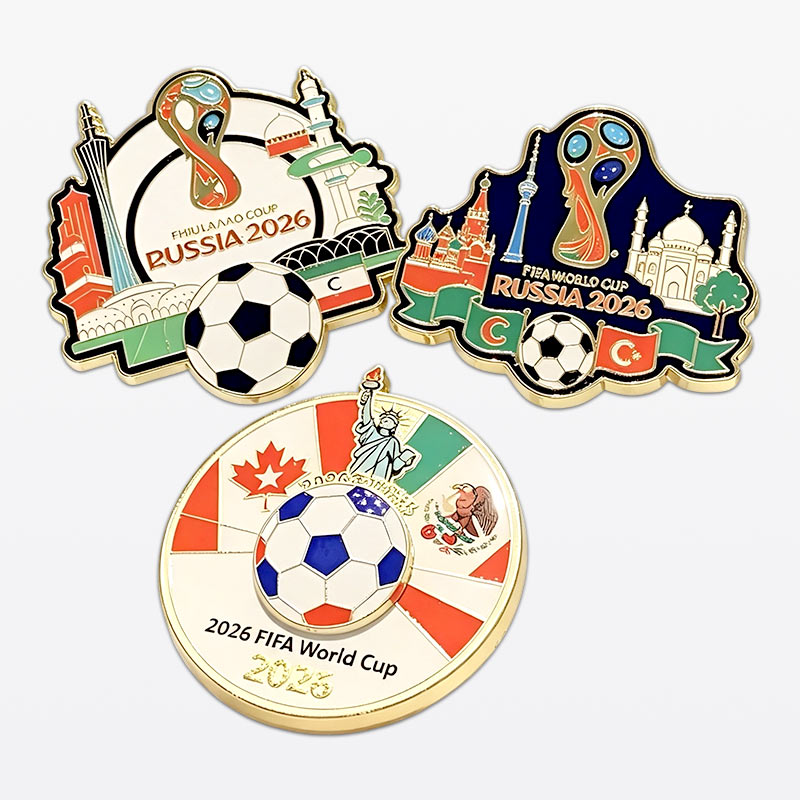
2026 FIFA World Cup Tri Nation Metal Fridge Magnet Pin Set Russia Canada USA
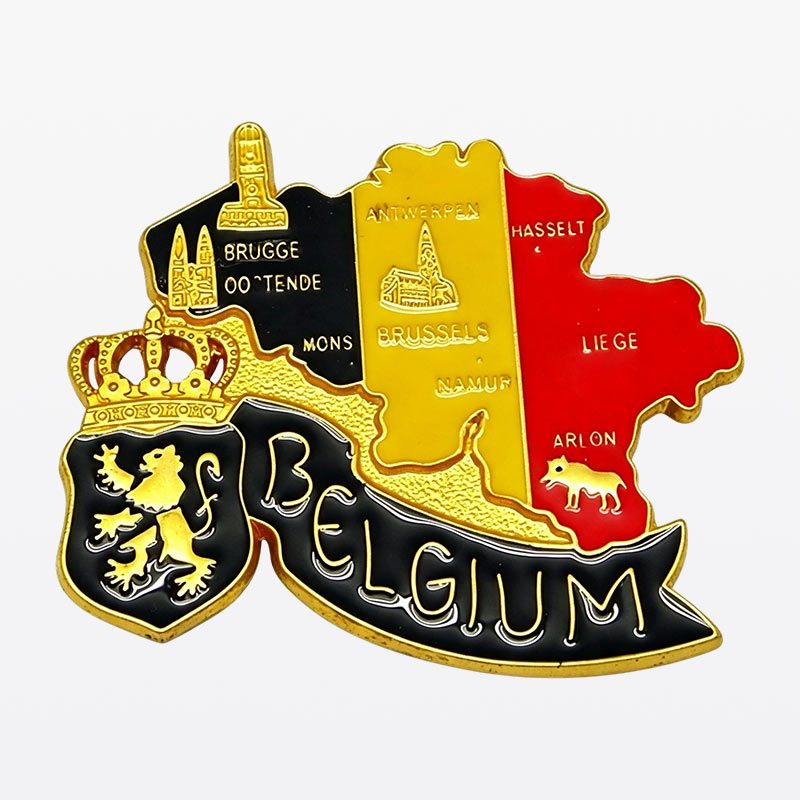
Belgium Country Map Metal Fridge Magnet Brugge Brussels Antwerp
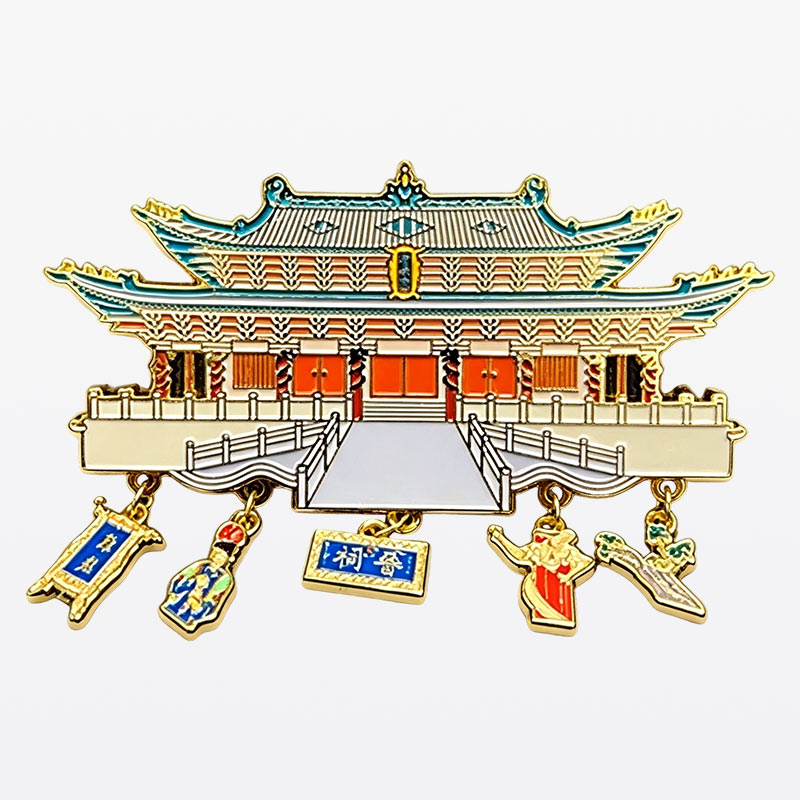
Chinese Ancient Palace Metal Fridge Magnet Hanging Charms Souvenir
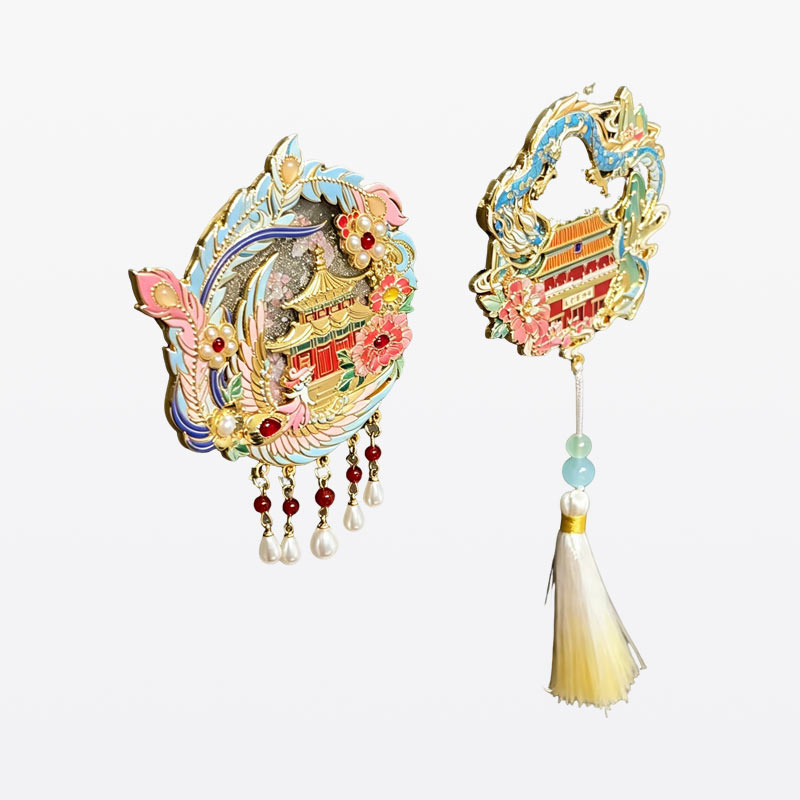
2026 FIFA World Cup Metal Fridge Magnet Stadium Trophy Flags Souvenir
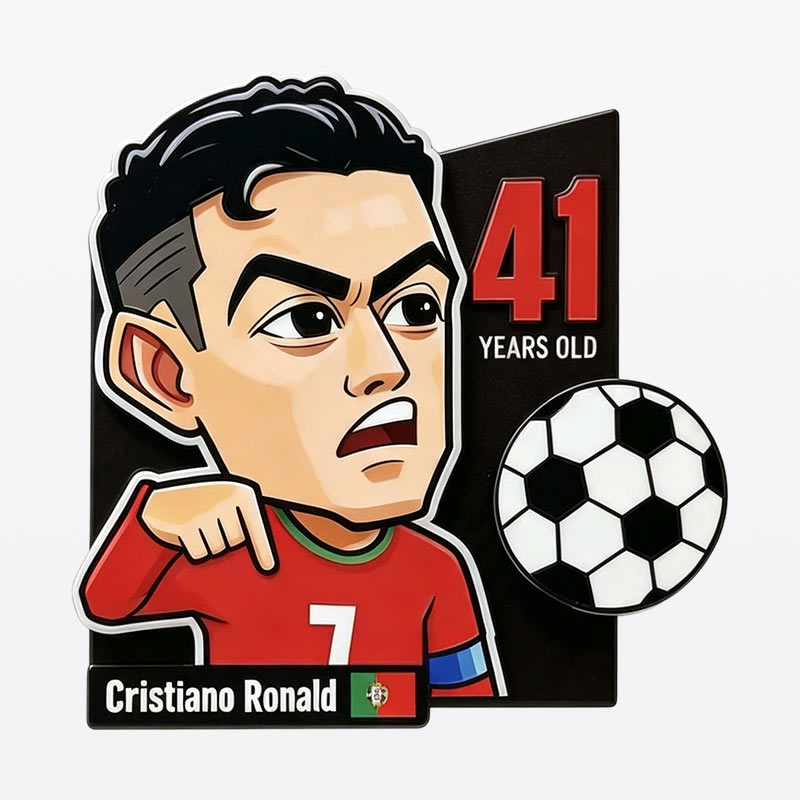
Cristiano Ronaldo Portugal 41 Metal Fridge Magnet Pin

Cute Blue Dragon Costume Reading Boy Metal Fridge Magnet Book Lover Feifei
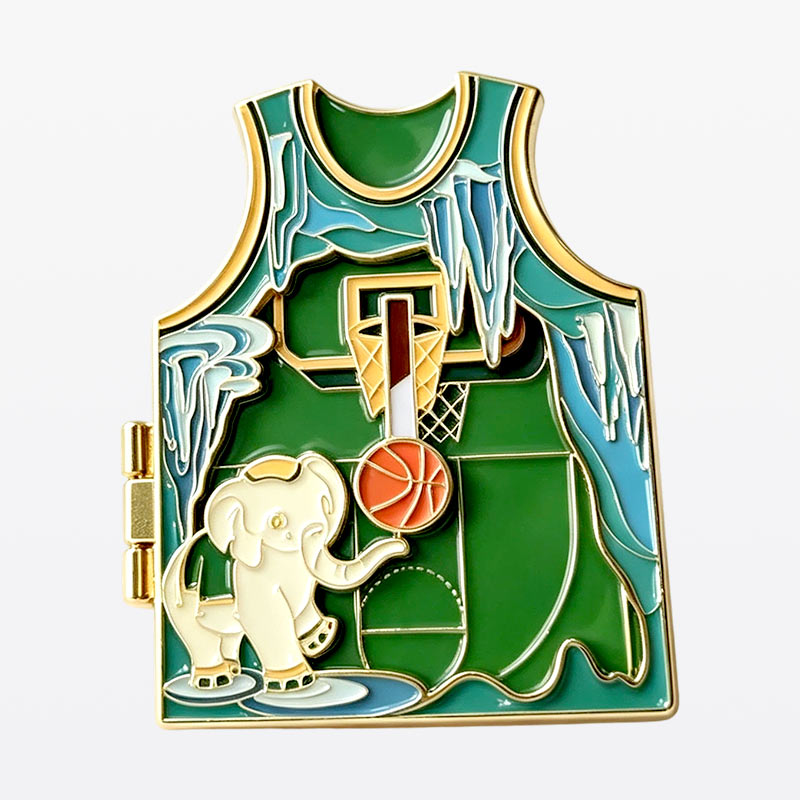
Elephant Basketball Jersey Metal Fridge Magnet Rotating Pin
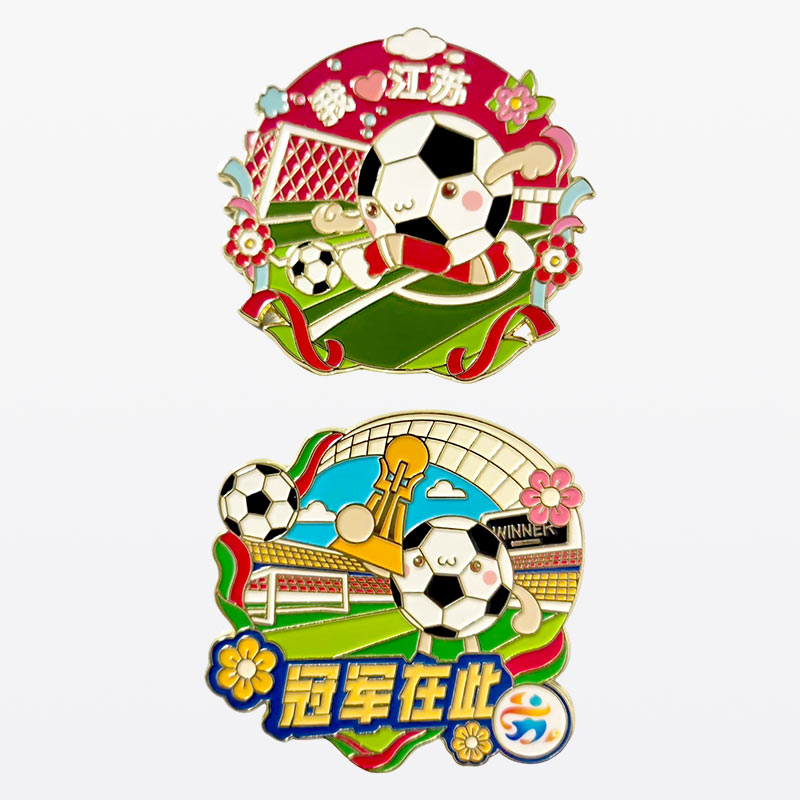
Jiangsu Football Champion Metal Fridge Magnet Set Two Piece
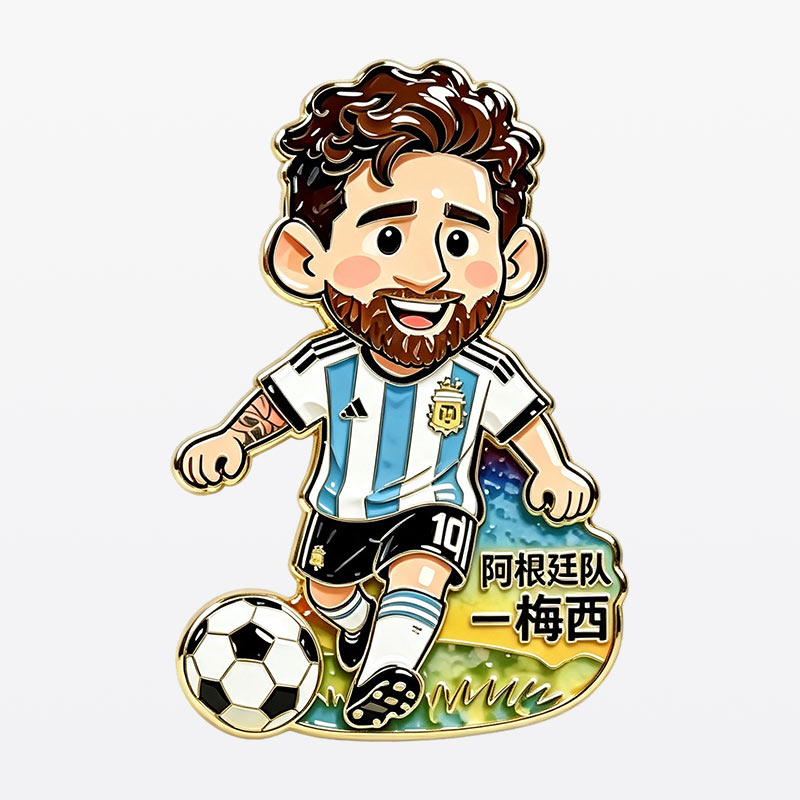
Lionel Messi Argentina 10 Cartoon Metal Fridge Magnet Pin
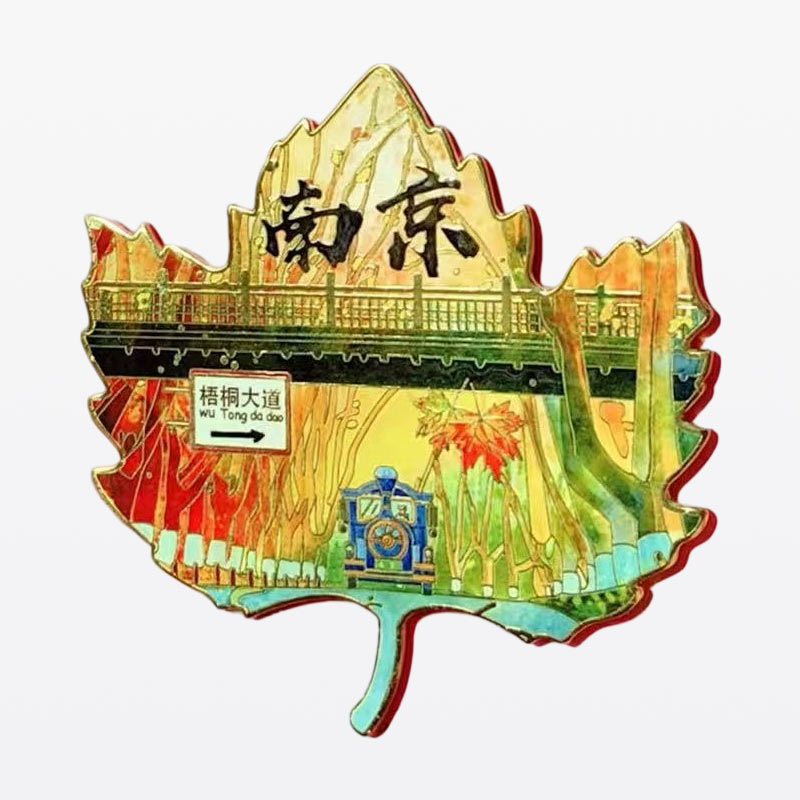
2026 FIFA World Cup Metal Fridge Magnet Guangzhou Canton Tower Stadium Map
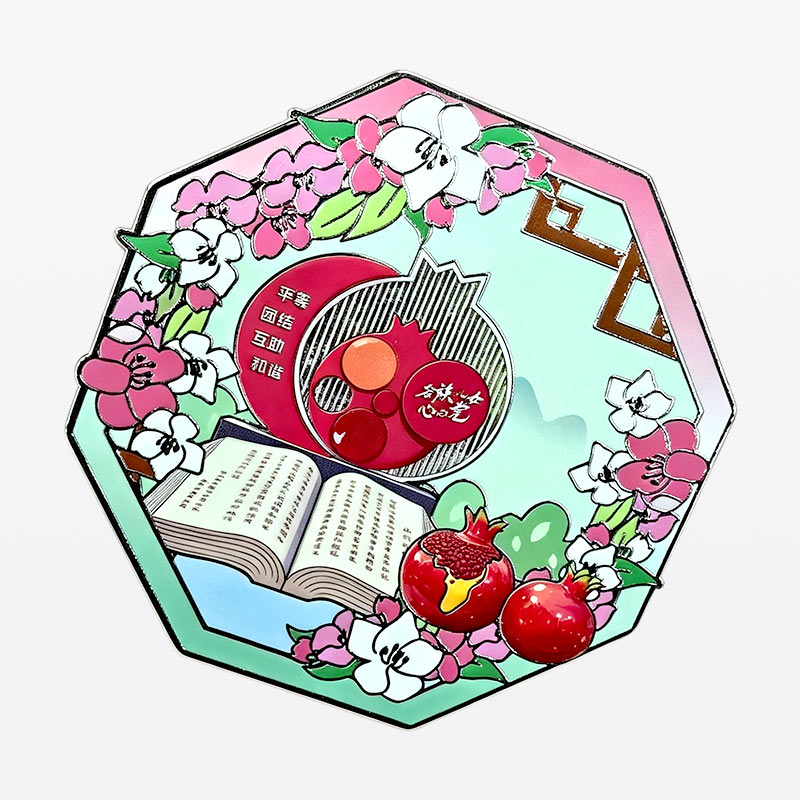
Octagonal Peach Blossom Pomegranate Book Metal Fridge Magnet National Heart
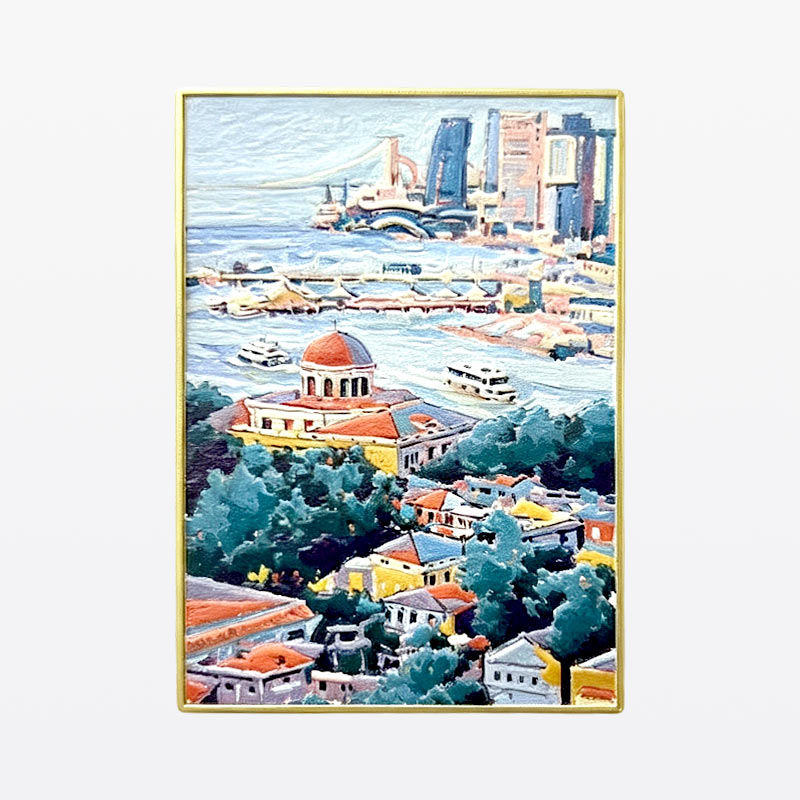
Oil Painting Style Metal Fridge Magnet Gulangyu Coastal City Skyline
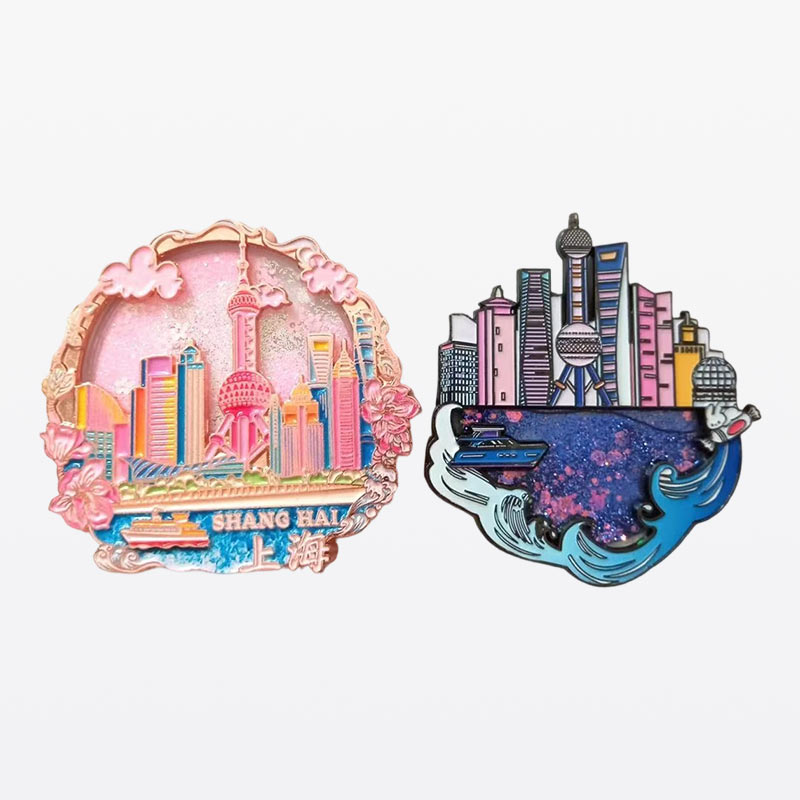
Shanghai City Skyline Metal Fridge Magnet Set Oriental Pearl Tower Quicksand
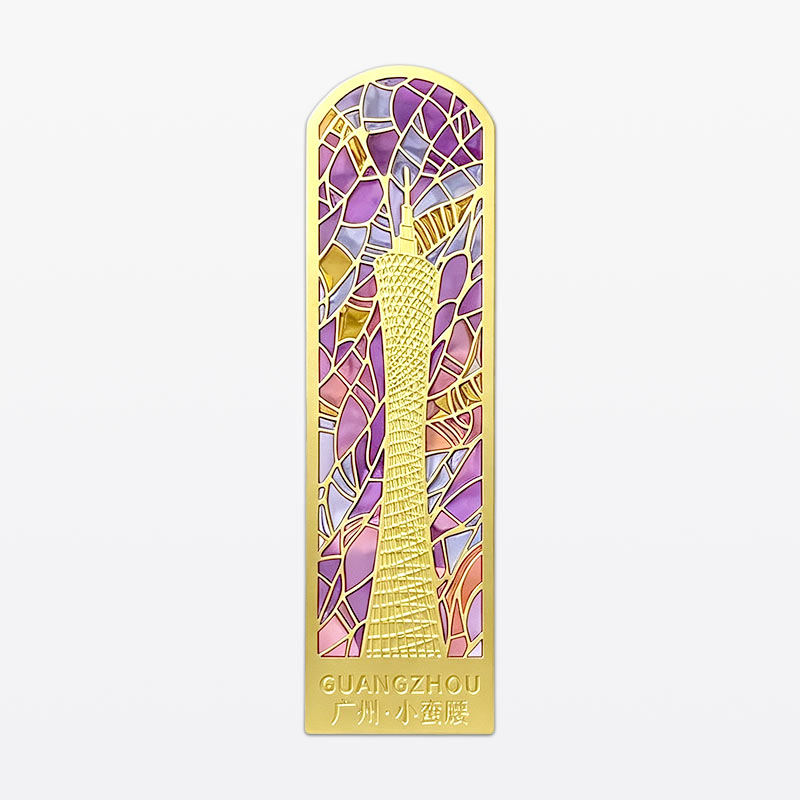
Stained Glass Cloisonne Metal Bookmark Guangzhou Canton Tower
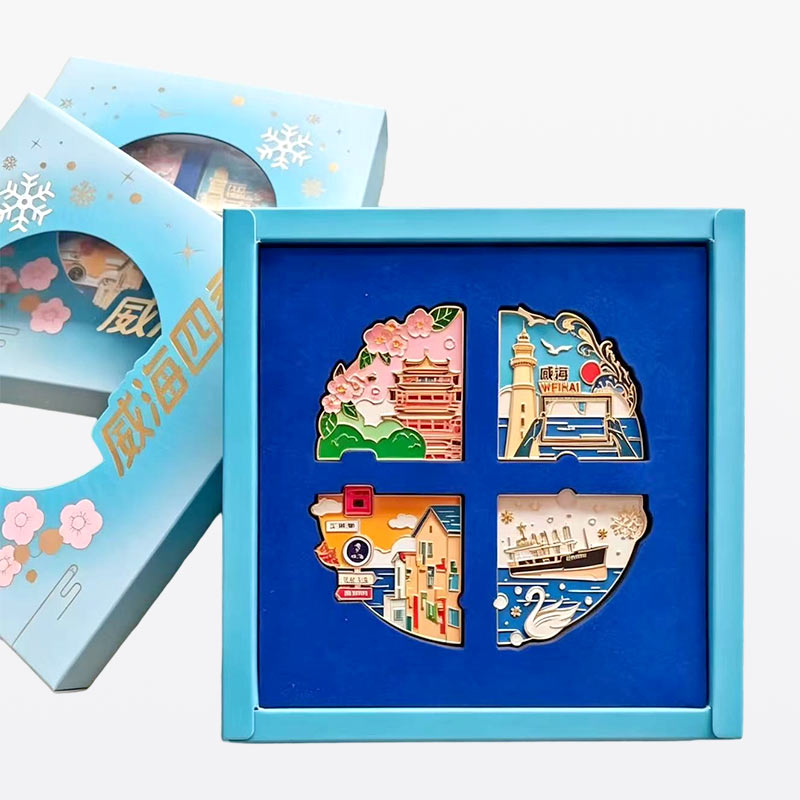
Weihai Four Seasons 4Pcs Jigsaw Enamel Fridge Magnet Gift Set

Sunflower Hair Dancing Boy Metal Fridge Magnet School Souvenir Xiangxiang
Custom Metal Fridge Magnets: Common Questions About Manufacturing
Straight answers from the HUASAN factory floor — on processes, colour & plating, artwork, moulds, quality control and after-sales. If your question isn’t here, email us and we’ll reply within 2 hours.
Picking a Process
Baked paint vs UV printing vs laser engraving — which manufacturing process fits your design, and what each one costs or tolerates.
Q1 What processes can you use for custom metal fridge magnets, and how do they differ? +
There are three main ones. Baked paint on its own. UV printing on its own. Or a baked white base coat with UV printed over the top.
On top of any of those, you can add etching with colour fill, laser engraving, die-cast 3D relief, or cut-outs. Between them they cover just about any custom job.
Baked paint gives you thick, solid blocks of colour with strong coverage. It has a matte, premium feel and it sticks well — good for solid colours, big colour areas, simple gift-shop designs, and scenic-spot souvenirs.
UV printing reproduces colour very accurately, and it handles gradients, shadows, complex illustration, and photo-quality images.
Q2 How do I pick between baked paint and UV printing? What artwork works with each? +
Go with baked paint if your design uses solid colours, only a few colours, clean lines, big flat colour areas, simple traditional-style artwork, city landmarks, or a simple logo. It feels solid, it’s good value, and very little gets rejected in production. Just remember that with plain baked paint, every extra colour pushes the price up.
Go with a baked white base plus UV printing if you’ve got multi-colour gradients, colours blending into each other, shadows and highlights, photos, fine illustration, or a busy full-colour design. Plain baked paint simply can’t do a gradient — a white base with UV over it can fully reproduce those full-colour effects.
Q3 Which one lasts longer and takes more wear: baked paint or UV printing? +
Plain baked paint cures hard and sticks tight, so it takes rubbing well and doesn’t scratch easily. Sitting on a fridge it holds its colour, so it’ll last you longer.
UV ink gives you finer colour, but that top ink layer is fairly thin. Leave it bare and it can scuff a little over time.
You can add an epoxy dome coating over either one. That makes a big difference to water, dust, and scratch resistance. Once it’s on, the two are about even.
Q4 UV printing, silk screen, pad printing, laser engraving. What are the trade-offs? +
UV printing. Photo-quality gradients, true colour, all the detail you want. If your artwork is complex, start here.
Silk screen. Only works for simple, solid blocks of colour. No gradients, and detail comes out poorly.
Pad printing. Fine for small curved surfaces with simple artwork. Not much use beyond that.
Laser engraving. No ink at all, so it never fades. But you only get the bare metal colour and texture — no colour work.
So: UV covers most complex artwork, baked paint covers solid-colour premium pieces, and laser engraving is for plain anti-counterfeit lettering.
Q5 How deep can 3D relief go? +
On die-cast zinc alloy, normal relief depth runs 0.5 to 2mm. The sweet spot is 1 to 1.5mm. At that depth you get clean 3D layering and a flat surface, and the colour goes on evenly without pooling.
Push it up to 3mm and you start getting paint pooling, paint running, and patchy UV colour. More pieces get rejected and the cost climbs.
Q6 Is 3D relief much more expensive than flat? +
Relief needs a 3D mould, and that costs 30% to 50% more than a flat one. Processing each piece runs 10% to 20% above flat baked paint or flat UV. On a big order that spreads out, so the gap gets a lot smaller.
Q7 Can I have a different process on each side? +
Yes. Baked paint on the front and UV on the back works. So does relief baked paint on one side with laser engraving on the other.
Each side gets processed, cured, and checked on its own, so you’re doubling the steps. Expect 30% to 40% more than a single-sided piece.
Q8 Is there a minimum line width for cut-outs? +
Keep cut-out lines at 0.8mm or wider. Go thinner and they snap, warp, or come out with heavy burrs.
Very fine cut-outs cause trouble with colour too. Baked paint pools in them, UV bleeds over the edges, and you end up with patchy coverage. Best to design those thin lines out from the start.
Colour & Plating
Plating finishes, Pantone matching, colour limits on different bases, and what can go wrong with the surface.
Q1 What plating colours do you have? Do they work with baked paint and UV? +
The usual ones: bright nickel, matte nickel, bright gold, imitation gold, gunmetal black, rose gold, antique bronze, green antique bronze, red antique bronze, and black nickel.
Any of those can take baked-paint colour fill or UV printing on top. They cover most gift, tourism, and corporate styles.
Q2 Can you match a Pantone colour exactly? How much variation is normal? +
With baked paint, yes. It gets mixed to the Pantone solid colour and comes out very close, with barely any difference. UV can simulate a screen colour, an image colour, or a Pantone colour, and it’s especially good at gradients.
Plated metal colours are the exception. You can’t match those to a solid Pantone number, only get near it.
The standard across the industry is ΔE ≤ 3. At that level you can’t see a difference by eye, and it’s good enough for premium orders.
Q3 Why does plating sometimes fade or peel? Does that affect the paint and ink on top? +
Three usual causes: the plating is too thin, the degreasing before plating wasn’t done properly, or there’s no anti-oxidation sealing.
Good plating gives you a flat, stable base that holds the baked-paint layer and the UV ink layer in place. Bad plating can take the whole surface colour off with it.
Made properly, these hold colour indoors for one to three years without fading.
Q4 Can you do two-tone plating on part of the piece? +
Not on zinc alloy, which is what fridge magnets and keychains normally use.
Two-tone plating only works on copper, solid gold, or solid silver. Even then, not every colour will take plating — it’s usually gold and silver together. For anything else, send the design over and we’ll tell you whether we can mix the matching plating solution.
Q5 Can you match the colours in a photo I send? +
Not exactly, no. Screen images shift with lighting, filters, and resolution, so there’s no way to copy one 100%.
Baked paint gets mixed against a physical Pantone card. UV gets as close as it can to the original colours, gradients, and light and shade. Once you sign off the sample, that’s the standard the whole run follows.
Q6 What goes wrong with light colours on a dark base? +
With baked paint, the dark base tends to show through, coverage goes thin, and the colour sits unevenly. Several thick coats plus high-temperature curing sorts that out.
With UV, light colours over dark go a bit grey, edges look fuzzy, and the colour isn’t clean. More ink, a few extra print passes, and a film or epoxy layer on top fixes it.
Artwork & Samples
File formats we accept, artwork fees, sample approval, and how close bulk production stays to your approved sample.
Q1 What file formats do you need? +
AI, CDR, EPS, or a high-resolution vector PDF. Any of those can go straight into mould-making and work for baked-paint colour separation and UV printing.
PNG and JPG are reference only. They’re blurry with jagged edges, so they won’t work for fine UV printing or accurate colour separation. We’ll redraw them for you at no charge.
Q2 I only have an image. Can you still work with it? Will it cost me? +
Yes, and mostly no. We’ll convert the image to vector, separate the colours, clean up the lines, and sharpen the base image for free.
Simple designs cost you nothing. For a complex illustration there’s a small artwork fee, and we’ll waive that in full if you place a bulk order.
Q3 Will bulk production match my sample? +
Size tolerance runs ±0.1 to 0.2mm, which is normal for these processes.
Baked-paint solid colours come out very consistent, so you’ll see almost no variation across a run. UV shifts a touch between ink batches, but not enough to notice by eye. Either way the run gets made to the sample you approved.
Q4 If I change something after sign-off, do we start the sample again? +
Depends what you change. New baked-paint colours, different UV artwork, a changed gradient, or a different 3D structure all need a fresh sample.
Nudging something slightly or tweaking a colour a little doesn’t. We’ll adjust that for free and skip the re-sample.
Q5 How small can lines and text go? +
For baked paint, keep them at 0.8mm or above. Any finer and the colour bleeds and runs together.
UV is more precise. It’ll hold a clean line down to 0.4mm, and it does small text and fine detail far better than baked paint.
Moulds
Mould fees, mould life, and when a new design actually needs a new mould.
Q1 How is the mould fee worked out, and how long does a mould last? +
We calculate it from the size of the product, how deep the relief goes, and how complicated the cut-outs are. Baked paint and UV use the same structural mould, so only the surface process changes.
A metal mould lasts tens of thousands of cycles. Reorder later and you won’t pay for a second one.
Q2 Does changing the artwork mean a new mould? +
Only if you’re changing the shape, the relief depth, or the cut-out structure.
Swapping the surface artwork, changing a baked-paint colour, or dropping in a new UV image doesn’t need a mould at all. Those adjustments are free.
Q3 Can I put my own artwork on one of your stock moulds? +
Yes, and it’s a good option for smaller orders. You take the stock mould base and we put your artwork, your baked-paint colours, and your UV images on it. Cuts the mould cost right down and shortens production.
Quality & After-Sales
How we catch defects, which finish holds up longest, and what we cover if something goes wrong after delivery.
Q1 What defects do you watch for, and how do you catch them? +
With baked paint: pooled paint, running paint, bubbles, colour bleeding over edges, and colour variation. With UV: ink spots, fuzzy edges, patchy colour, and scratches.
We control those by polishing beforehand, applying colour in layers, curing in a dust-free environment, keeping the print registration tight, and checking every finished piece. Anything that isn’t right gets pulled.
Q2 Which holds up better on display long term? +
Plain baked paint. It’s harder, takes scratches and rubbing better, and keeps its colour steady over time, so it’s the one for pieces that sit out for years.
UV gives you a sharper image but wears faster when it’s bare. Add an epoxy coating or a film over it and it becomes water-resistant, scratch-resistant, and sun-resistant, which makes it fine for long-term use too.
Q3 What happens if the paint chips or the colour comes off after delivery? +
If it’s down to something we did wrong in production, we remake it or ship replacements, free, no conditions. That covers chipped baked paint, UV ink coming away, serious colour variation, and damage. We cover the full cost.
Extra Options
Back-side engraving, unique codes, and one-by-one personalisation for limited editions.
Q1 Can you laser engrave the back? +
Yes, free of charge. Logos, QR codes, a website address, serial numbers, a message, or a coded sequence. Handy if you want a unique code on every piece for traceability, anti-counterfeiting, or personalisation.
Q2 Can each piece have different artwork or numbering? +
Yes. Every piece can carry a different UV illustration, different wording, and its own serial number. Works well for blind boxes, scenic-spot limited editions, and personalised commemorative sets.
Still have a question about your custom metal fridge magnets?
Send us your artwork and requirements — we reply within 2 hours with a free quote, free design and free samples. No MOQ, factory-direct pricing.
Free samples · Free artwork redraw · Free back-side laser engraving