The custom keychain compliance documents you need before a bulk keychain order depend on where you sell, who uses the product, what it is made of, and how you sell it. No single certificate covers every keychain. Fix those four inputs first, then request the documents that match your exact item and market.
Quick answer: Custom keychain compliance documents should match the destination market, intended user and age, exact materials and components, and sales channel. Request finished-product test evidence, controlled specifications, inspection records, packaging and label files, and shipment documents—then confirm which certificates must be issued by the importer or brand.
Start here. These inputs decide your checklist:
- Destination market — where the goods clear customs and sell.
- Intended user and age grade — is the keychain designed, marketed, packaged, or sold for children 12 and under?
- Material and components — metal, soft PVC, or silicone, plus plating, coatings, and hardware.
- Sales channel — wholesale, retail shelf, or online marketplace.
If the keychain targets children, treat it as a children's-product route from the start. Age grading, marketing, and intended use change the testing, the labels, and the certificates, so confirm the intended age and any child-directed claims before you request a quote.
Custom Keychain Compliance Documents Checklist
| Document / evidence | Who normally owns it | When it is needed | Your action |
|---|---|---|---|
| Product specification sheet | Factory provides | Every custom order | Approve before tooling |
| Component and material declaration | Factory provides or supports | Most orders, especially regulated markets | Confirm it matches your build |
| Product test report | Factory supports; the lab issues it | Children's and regulated products | Confirm the scope matches your item |
| US CPC or GCC, EU declaration and responsible person | Importer or brand | Regulated routes | You or your importer issues and signs |
| Sample approval record | Factory provides | Every custom order | Approve in writing |
| Batch production photos | Factory provides | Any bulk order | Review against the approved sample |
| Pre-shipment inspection report | Factory provides, or a third party | Any bulk order | Agree acceptance criteria first |
| Logistics packing specification | Factory provides | Freight planning | Confirm carton data |
| Retail labeling artwork | Factory supports; brand or importer owns the content | Retail and marketplace | Approve artwork before production |
| Commercial invoice and packing list | Factory provides | Every shipment | Provide consignee details |
| HS-code reference | Factory proposes; your broker confirms | Every shipment | Confirm the final classification |
This is not a universal list. Match it to your market and product, and note who owns each item.
A clear custom keychain compliance documents matrix prevents missing evidence before tooling and shipment.
The Factory Documentation Pack
For an approved configuration, you can request a defined set of records. The point is to know exactly what the factory provides, what it supports, and what stays with you.
The factory provides: the product specification sheet, the component and material declaration, the sample approval record, dated batch photos, the pre-shipment inspection report, the logistics packing specification, the commercial invoice, and the packing list.
The factory supports: the test plan on your quote and the third-party lab report when you order testing, plus a proposed product description and HS-code reference.
You own, as the importer or brand: the US Children's Product Certificate (CPC) or General Certificate of Conformity (GCC), the EU declaration and responsible-economic-operator appointment, and any marketplace submission.
For an approved configuration, a good factory provides the factory records and third-party test evidence listed in your order. Certificates that require the importer, an EU economic operator, or a brand signature stay with that party.
The custom keychain compliance documents pack should identify what the factory supplies and what the importer signs.
What Makes a Test Report Acceptable
A report only helps if it matches the product you buy. Check seven points before you rely on one:
The report number, issue date, and any change history
The accredited laboratory and its scope
The client and factory identity on the report
An exact sample description and photos
The test method and the limits applied
The components the test actually covers
That the version matches your current build
Confirm the test scope, cost, and timing before testing goes ahead, and treat a generic material-level certificate as insufficient if it does not describe your finished item.
Reliable custom keychain compliance documents use test reports that match the exact finished configuration.
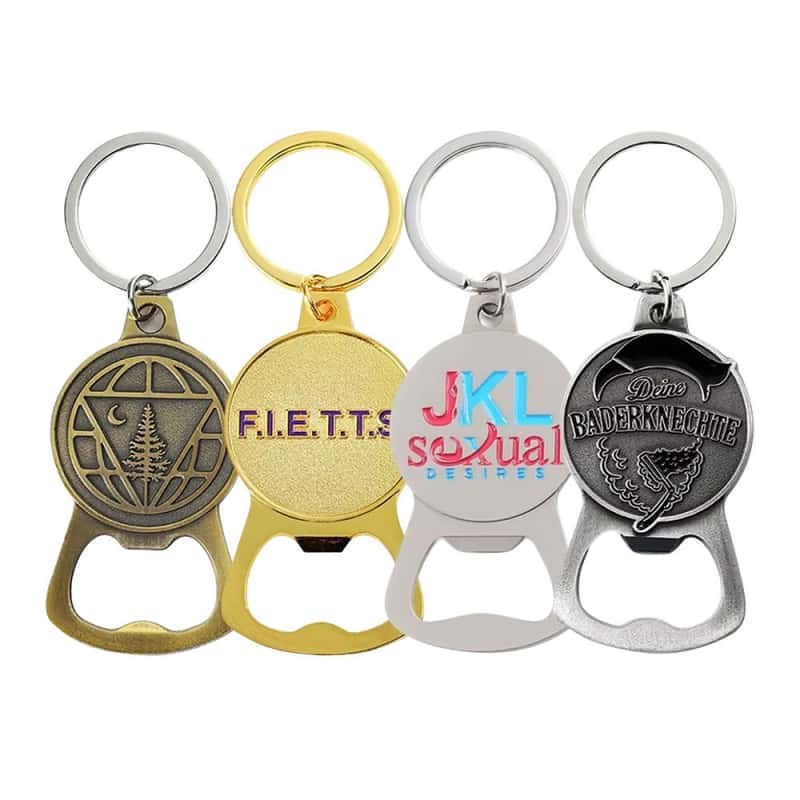
When a Test Report No Longer Applies
Retest or revalidate before you rely on a report if you change the polymer or formulation, the pigment or colorant, the plating or coating, the hardware, the supplier, the dimensions, the age grading, or the destination standard. Any one of these can move your product outside the tested configuration.
Material Scope
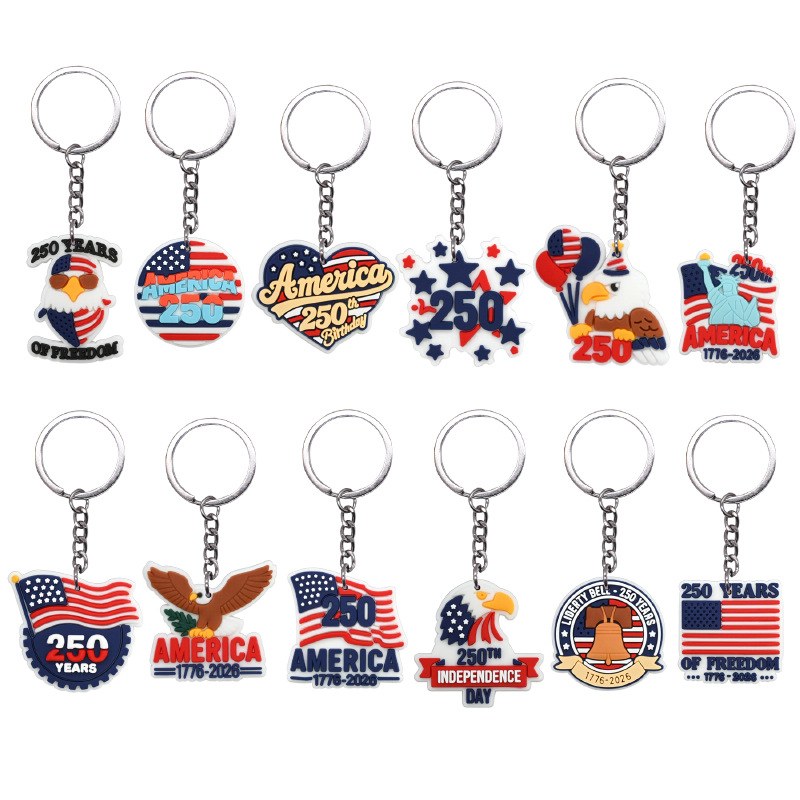
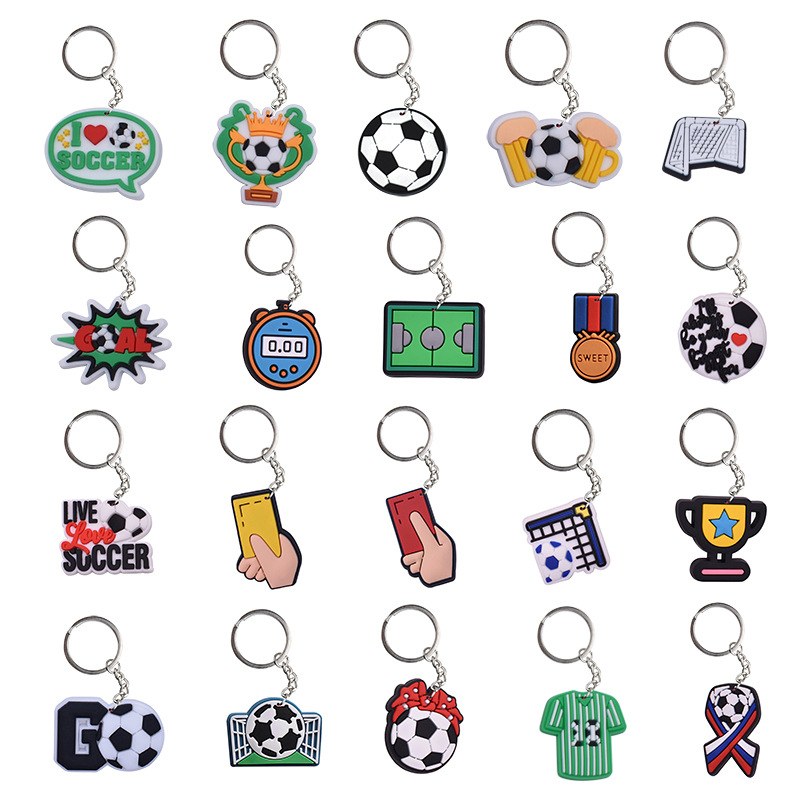
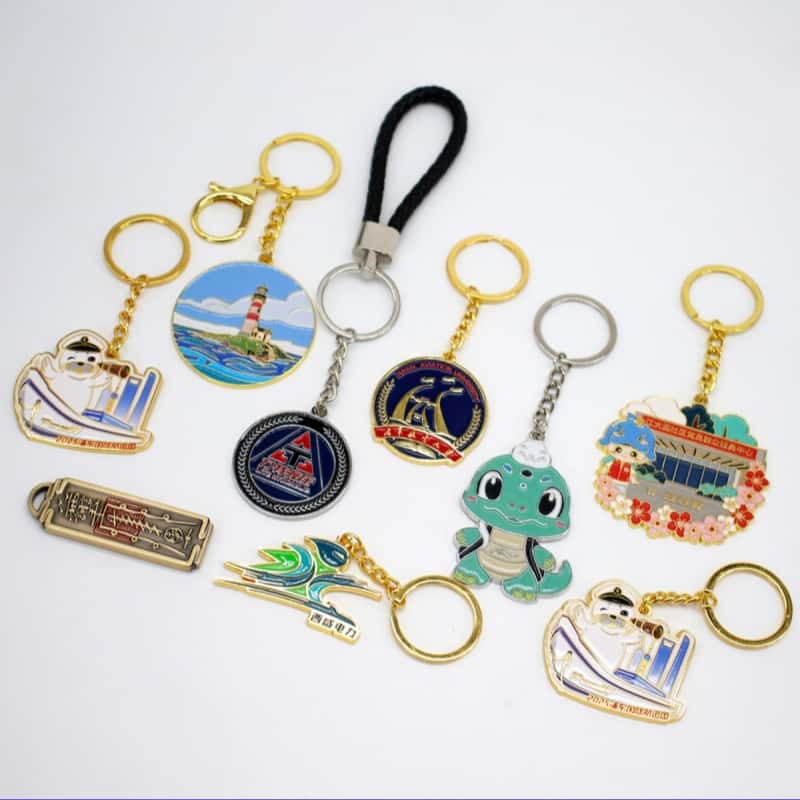
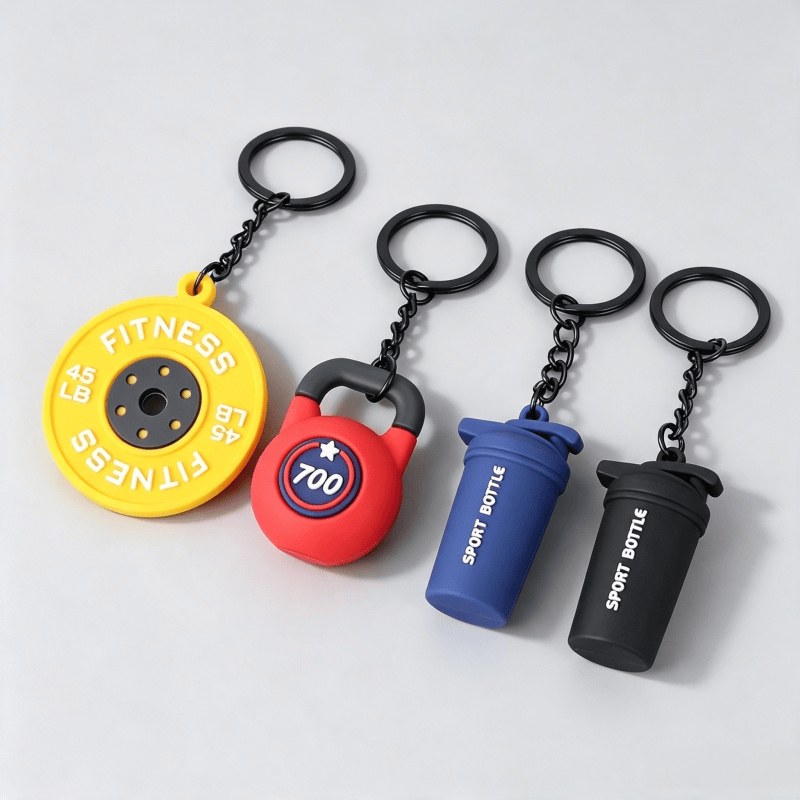
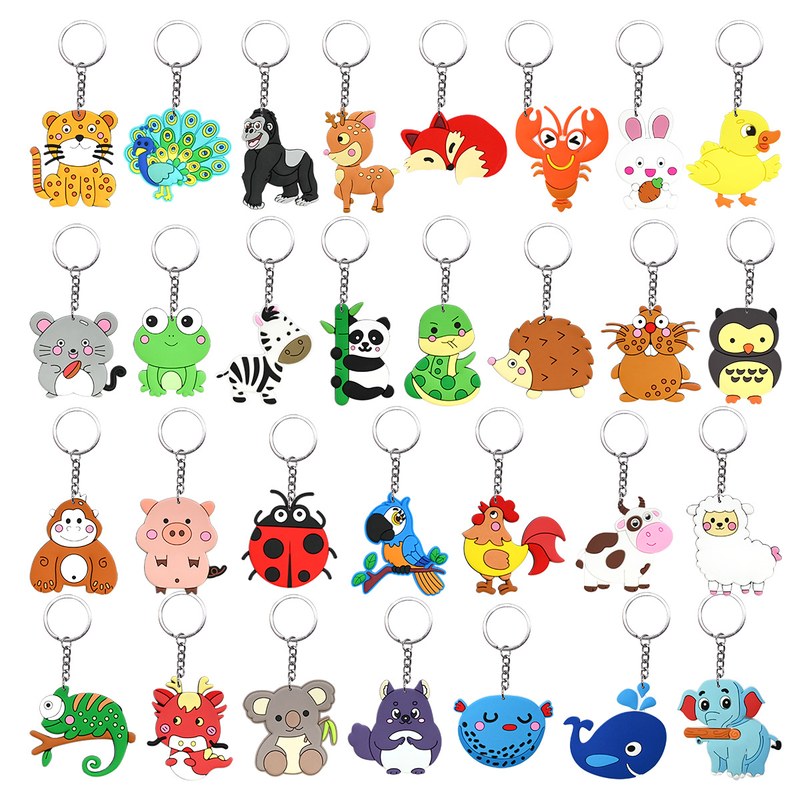
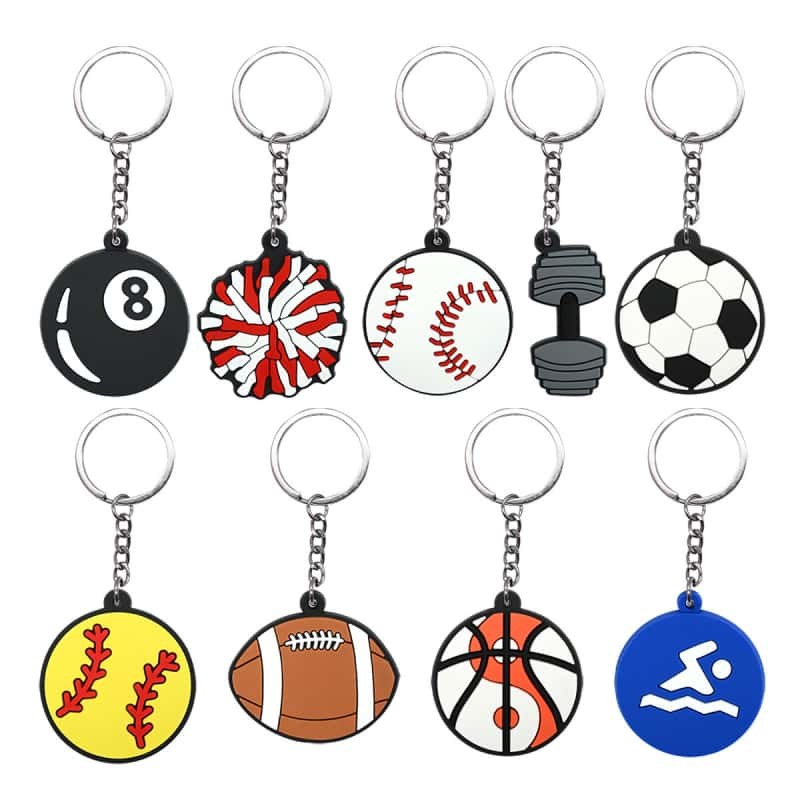
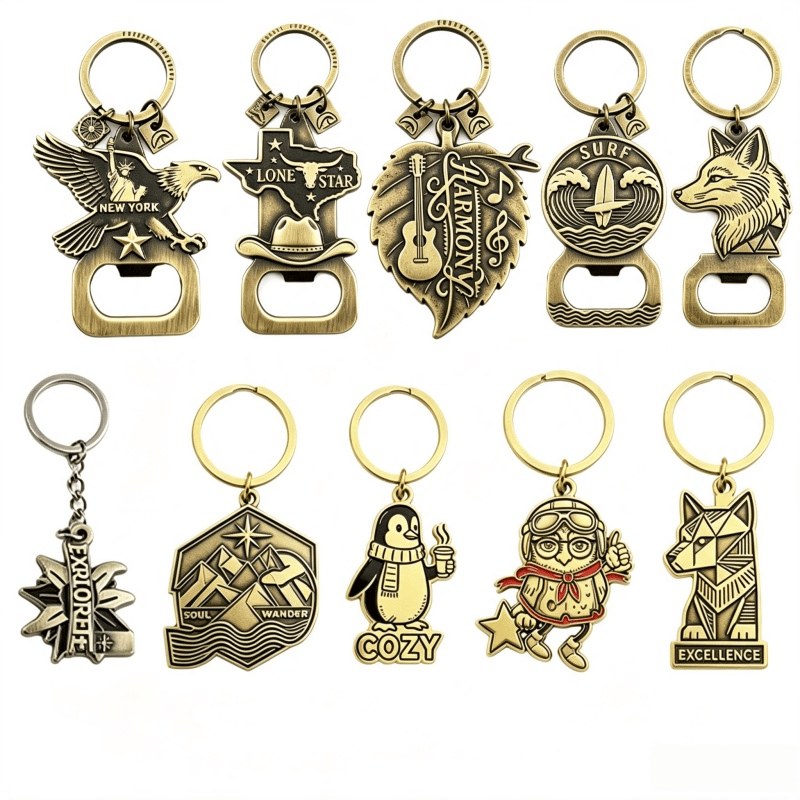
Different materials carry different checks. Metal involves the base metal and plating, soft PVC involves the polymer and additives, and silicone involves its own formulation. Soft PVC formulation varies, so restricted-substance risk is managed through the selected formulation and verification of the finished item, not assumed for every keychain. Confirm your build across custom metal keychains, custom PVC keychains, or the full material overview before you request documents.
Material-specific custom keychain compliance documents must cover every polymer, pigment, coating, and hardware component.
United States Route
For a children's product or toy, the route may require the applicable current sections of ASTM F963, other applicable CPSC rules such as lead, surface coatings, phthalates, and small parts where relevant, testing on a CPSC-accepted basis where required, support for a Children's Product Certificate, and tracking information on the product and packaging. The domestic manufacturer or importer certifies the CPC, so the factory supports the underlying evidence rather than issuing the certificate. As of July 8, 2026, importers of most regulated consumer products must also eFile certificate data with U.S. Customs and Border Protection through the CPSC process.
For a non-children's regulated consumer product, a General Certificate of Conformity may apply instead. Confirm the applicable rule with your US importer or counsel, and do not apply a children's-product template, or expect a CPC, for adult promotional keychains.
US custom keychain compliance documents differ for children’s products and regulated general-use products.
European Union Route
Work through three checks:
General consumer keychain
it must be safe and meet the General Product Safety Regulation, including traceability and an EU-based responsible economic operator where applicable. It does not carry a CE mark simply because it sells in the EU.
Toy
a keychain treated as a toy needs the applicable toy-safety conformity assessment, technical documentation, a declaration of conformity, and the CE route. Check the transition timetable for the new EU Toy Safety Regulation before you go into production. Regulation (EU) 2025/2509 applies fully from August 1, 2030; until then, confirm the transition rules and the currently applicable toy-safety route for the shipment date.
Material check
REACH restricts substances in articles, and Candidate List communication can be triggered when a listed substance is present above 0.1% by weight, tied to your exact component and material build. A generic "REACH certificate" is not universal proof.
California Proposition 65
Proposition 65 is an exposure-and-warning regime, not a one-time test. Assess the applicable exposures and warnings with qualified US advice. A laboratory result can be evidence, but it is not automatically a complete Proposition 65 determination.
Other Markets
For each additional market, confirm the local importer, the product classification, the test or label evidence, and the marketplace rules, then validate with an authority or specialist:
United Kingdom: classify the product and check the applicable product-safety rules. For toys placed on the Great Britain market, current government guidance recognizes CE marking alongside UKCA in many cases; Northern Ireland follows its own CE or CE-and-UKNI route.
Canada: children's-product and consumer-product safety requirements.
Australia and New Zealand: applicable product-safety and labeling rules.
Production Evidence by Stage
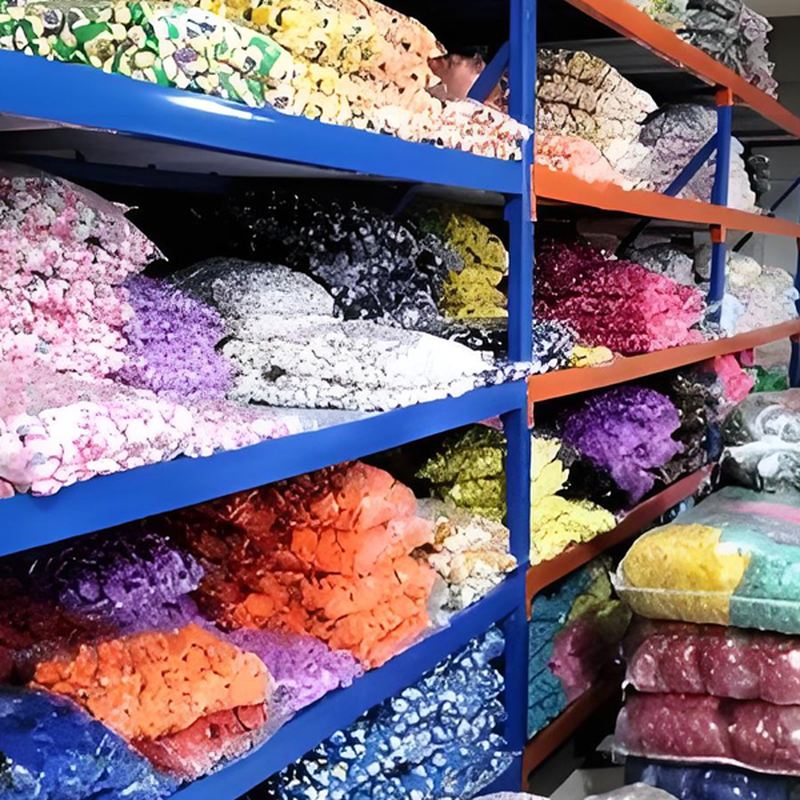
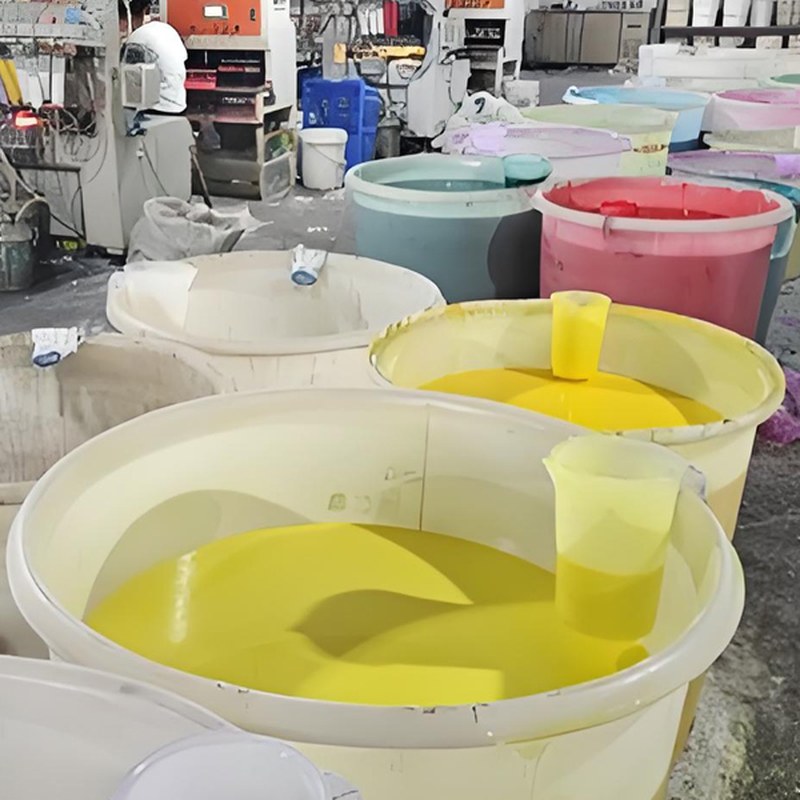
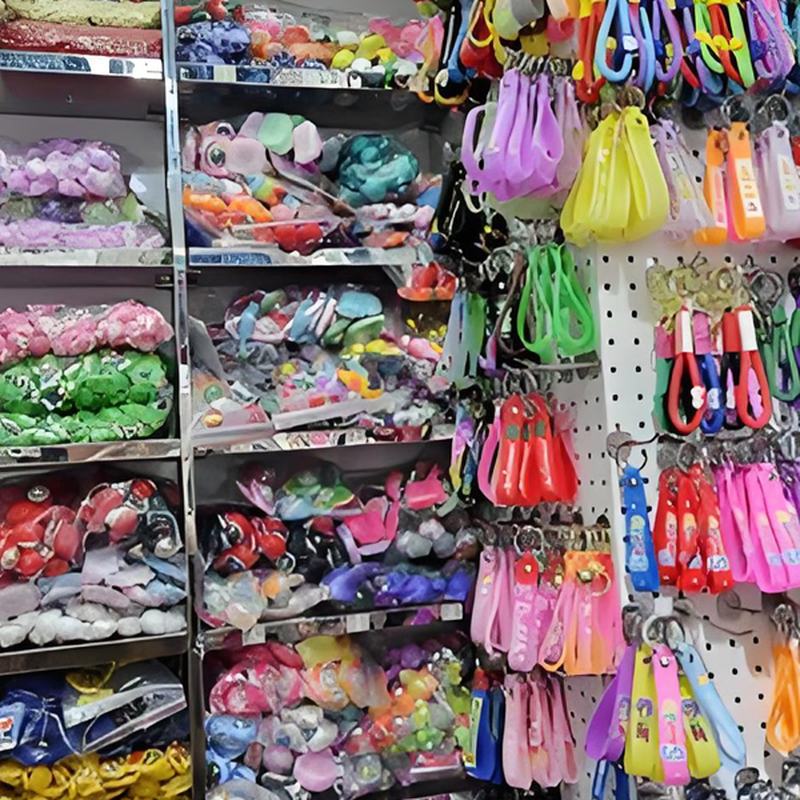
Ask for dated evidence at each stage, tagged with the batch, purchase order, and date, so photos become traceable records rather than marketing images: sample approval, incoming components, the first-off article, the in-process color and finish check, final assembly, pre-shipment inspection, carton sealing, and container loading.
Traceable custom keychain compliance documents connect dated production evidence to the purchase order and batch.
Inspection Plan
Agree the inspection before production ends. Confirm who inspects, the sampling plan, the acceptance criteria, the defect classifications, the measurement tolerances, the hardware pull or attachment check where relevant, the count verification, and the corrective-action evidence if a batch fails. You can also select your own third-party inspection.
Packaging: Logistics and Labeling Are Not the Same
A freight carton spec does not prove retail compliance, so keep the two separate:
Logistics packing specification
unit weight, carton quantity, carton dimensions, gross weight, and shipment marks.
Product and retail labeling
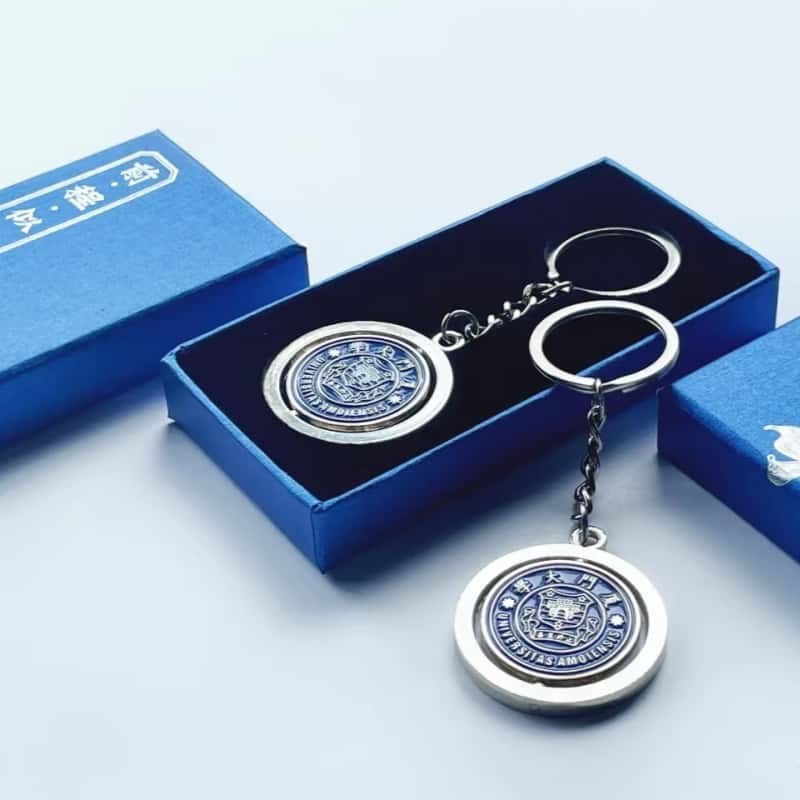
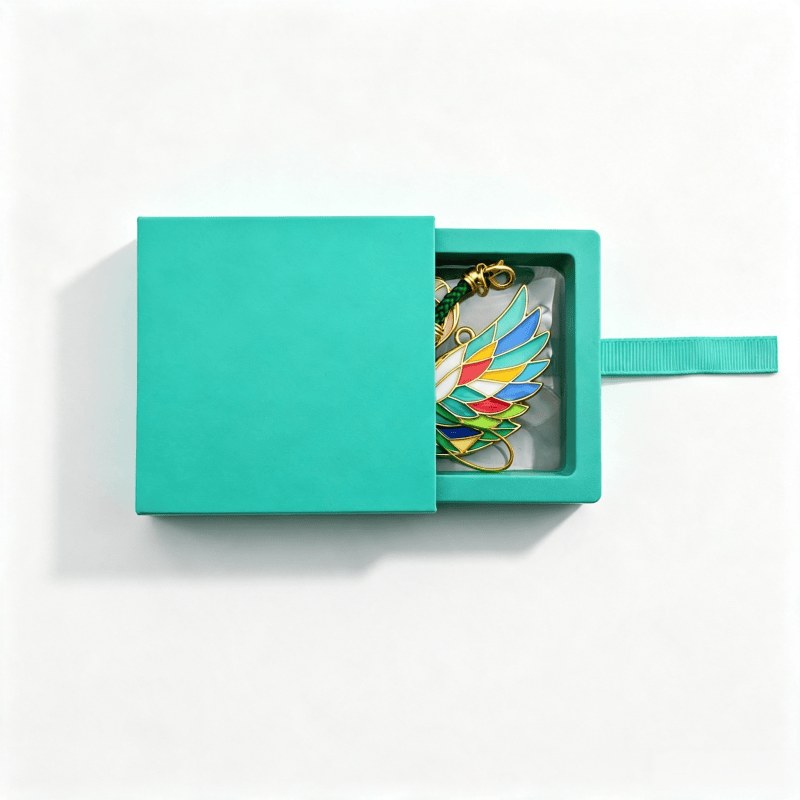
brand and importer details, country of origin, barcode, and any age, warning, or marketplace requirements. Approve the labeling artwork before mass production.
Shipping and Document Handover
Confirm who supplies which document under your agreed delivery term. A short handover checklist covers the Incoterm, the shipper or exporter of record, the consignee or importer of record, the commercial invoice, the packing list, origin evidence where required, the booking or bill-of-lading responsibility, and your customs broker contact. The factory provides a proposed product description and HS-code reference, and your broker or customs authority confirms the final classification, duty, origin preference, and import documents.
Sources and Verification
Confirm current requirements for your market with the primary authorities:
US consumer product safety and children's products: CPSC
EU restricted substances (REACH) and the Candidate List: ECHA
California Proposition 65: OEHHA
Validate the exact product configuration and destination requirements with your importer, marketplace, laboratory, customs broker, or qualified adviser before production.
Request Your Compliance Documents and a Quote
Send these details in one message and we confirm the material specification, identify the documents and tests for your route, and prepare the paperwork that matches your exact configuration:
Destination market — every country where the goods clear and sell, since each one decides its own safety and labeling rules.
Sales channel — wholesale, retail shelf, or online marketplace, because retail and marketplaces add barcode and labeling rules.
Intended user and age group — especially whether it targets children 12 and under, since this changes the whole compliance route.
Materials and components — metal, PVC, or silicone, plus plating and hardware, so the test evidence matches your exact build.
Artwork and packaging — your vector files and pack format (polybag, backing card, or gift box).
Delivery term and target ship date — your Incoterm (FOB, CIF, DDP) and deadline, so we plan freight and production around it.
Documents or tests requested — anything your market, importer, or buyer requires, such as a material declaration, a test report, or an inspection report.
Send it and we confirm your material specification, map the documents to your route, and match the paperwork to your approved configuration. Start your compliance and quote enquiry, or browse our custom keychains to shortlist a product first.
Request a Compliance Document Review
Send the destination, sales channel, age grade, material, components, artwork, packaging, delivery term, and deadline. We will map the custom keychain compliance documents and factory evidence to your approved configuration while clearly identifying documents that remain the importer’s or brand’s responsibility.