You find a preferred factory and love its keychain samples, only to see an MOQ of 500 pieces—but you just need 100. Many buyers hit this roadblock. MOQ refers to the minimum batch factories produce per order, set for practical production reasons, not to force large purchases.
The better news is that small batches are usually possible once you understand what sets the minimum. This guide covers what drives the custom keychain minimum order quantity, the typical MOQ for each type of keychain, why your sample costs more than your bulk price, and exactly how to order a small batch without overpaying.
Which approach fits your business?
Your best move depends on the kind of buyer you are.
- Startup and small online sellers: Start with an in-stock style or a simple 2D design at the 100-pc minimum. Keep your risk low, see what sells, then reorder.
- Corporate and event gift buyers: You usually need one design, in a fixed quantity, by a set date. Lock your artwork early, check the lead time against your event, and approve a sample first so the gift looks right.
- Large wholesale distributors: You buy in volume, so your per-unit price drops fast. Order enough to clear a price break, ask about steel tooling for long runs, and set up reorders on your best sellers.
Tell your factory which one you are, and you get advice that fits your order instead of a one-size answer.
First, why do factories set a minimum at all?
The reason for a factory’s MOQ is that certain costs will remain constant regardless of the number of keychains ordered. It doesn’t matter if you make 50 or 5000 – the cost of cutting the mould, setting up the machine, mixing your exact colours and preparing the material is about the same. Divide those fixed costs by 5,000 units and they don’t matter all that much. Spread them over 50 and each keychain starts to look pricey. The minimum is just the point where the numbers still work for both sides.
So it is not really about the keychains. It is about covering the setup that happens before the first one is even made.
The real costs hiding behind your minimum
Most of your minimum comes down to a handful of fixed costs. Here is what you are actually paying to set up, and why each one pushes the minimum up:
| Cost | Type | Figure |
|---|---|---|
| Mold | one-time | $50–$300 |
| Setup | fixed/run | flat |
| Color | fixed/color | per Pantone |
| Material | semi-fixed | min lot |
| Keychains | per unit | $0.25–$1.50 |
Once you see the split, the minimum stops feeling random. Everything above the last row is a fixed cost, and fixed costs only get cheap per unit when your quantity grows.
Typical MOQ by keychain type
Your minimum depends heavily on what you order. A ready-made style needs no new tooling, so it can go very low. A brand-new 3D shape carries the most setup, so it sits higher. These are general market ranges to set your expectations:
| Type | MOQ (pcs) | Mold |
|---|---|---|
| Stock | 1–50 | none |
| 2D PVC | 100–300 | 2D |
| 3D PVC | 300–500 | 3D |
| Metal | 300–1,000+ | costly |
Treat these as a guide, not a rule. A source factory with in-house tooling can often go lower than the market, so always ask for the minimum on your exact design instead of assuming. For a refresher on the material options, see our guide to PVC keychains and the materials available.
How your price changes with quantity: sample vs bulk
This is the bit most first-time buyers don’t expect. Your sample is the highest priced product of your business and your price per unit decreases with an increasing order. Nothing shady is going on. One of these is the sample, which is a single custom keychain that has the entire setup in one piece and thus appears to be costly. Order more and the same set is spread out across each keychain even more
C — Price per unit
| Qty (pcs) | Price each |
|---|---|
| 1–5 | free–$20 |
| 100 | $0.80–$1.50 |
| 300 | $0.60–$1.10 |
| 500 | $0.50–$0.90 |
| 1,000 | $0.40–$0.75 |
| 5,000+ | $0.25–$0.55 |
The takeaway is simple: never read your sample price as your bulk price. Ask for a quote at the exact quantity you plan to order, so you compare real numbers.
“No MOQ”: real deal or a marketing line?
You will see factories advertise “no MOQ,” and it pays to know what that means. A true zero minimum on a brand-new custom mold is rare, because someone still has to pay for the tooling and setup. What is genuinely possible is a low or flexible minimum, and there are two honest ways a factory gets there.
The first is using an existing mold or a stock style, so there is no new tooling to pay off. The second is a factory willing to take a small first order to earn your long-term business. Both are real. Just ask how the low minimum is possible, so you know whether a hidden premium is baked into the price.
How to order a small batch without overpaying
When played correctly, small runs can be a very achievable shot. Here are some moves that will help keep your costs low:
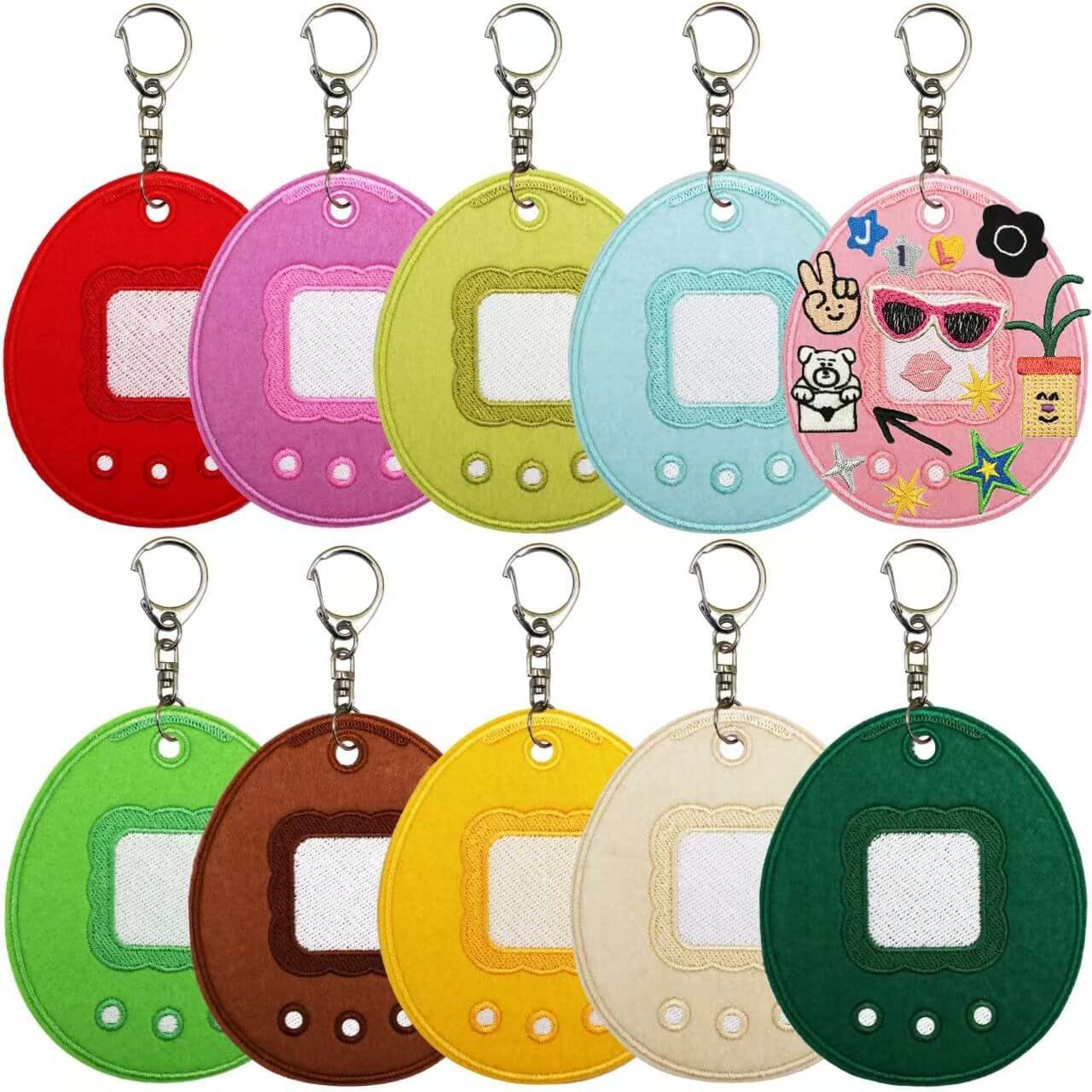
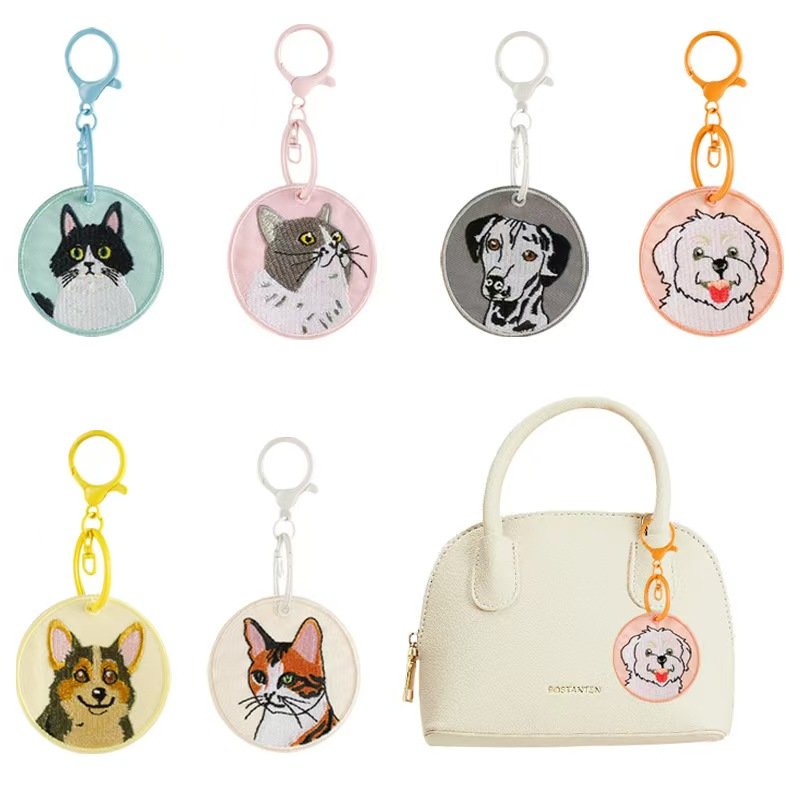
- Base a style on an existing style or mold rather than a completely new shape, and avoid any tooling costs.
- If you want a simple setup, you can opt for a flat 2D design instead of a sculptured 3D design.
- Choose a factory that has a mould shop, a small minimum and free samples.
- Use your initial small order as a trial, and then reorder when you know that it sells.
- Request the factory to retain your mould, so each time you reorder you do not have to pay the tooling fee.
Suppose a certain event requires 100 keychains. Try ordering a free or inexpensive sample, buy out a small batch of 100 or so to pass around, then if they are successful, purchase 500 for the next batch. You save money each time, and you never risk a big budget on an unproven design.
Can you mix designs to reach the minimum?
This comes up a lot, and the answer depends on the mould. Split one order across totally different shapes and each shape still needs its own mould, so combining them does not remove the tooling. But you do have real ways to add variety without blowing your budget:
- Run one mould in several colours or sizes. The setup is shared, so this is the cheapest way to get a range.
- Ask about splitting the tooling. Some factories share a partial mould cost across a few designs, so you can order a small mixed batch instead of a big run of one.
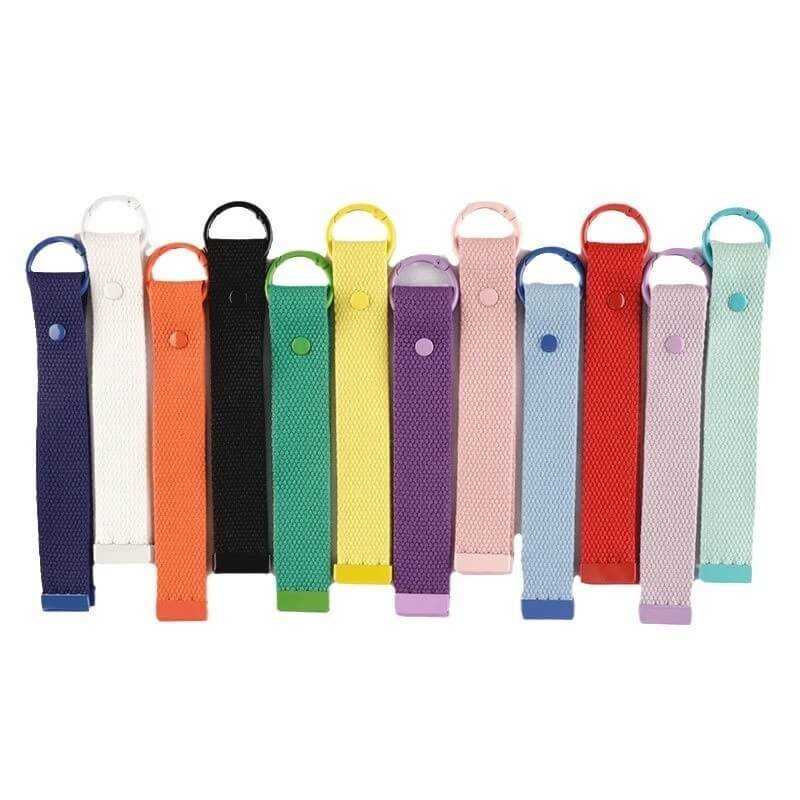
- Mix in stock styles. Ready-made designs carry no mould cost, so they stretch a small budget the furthest.
- Team up on a group order. If other buyers want the same style, pooling your quantities helps everyone hit the price break.
- Consolidate your shipping. Send several designs together in one sea shipment to cut your freight cost per piece.
- Test with dropshipping. For very small volumes, some sellers use a dropshipping model to prove demand before a bulk run.
Ask your factory which of these fits your order. The right mix keeps your minimum low and your variety high.
What to prepare for a fast, accurate quote
The more complete your brief, the faster you get a real quote and the fewer emails it takes. Have these ready before you reach out:
- Your logo or artwork, ideally as a vector file
- Whether you want a 2D or 3D shape, plus any reference pictures
- The size of the keychain
- Your colors, with Pantone codes if you have them
- The quantity you are considering, or a range
- The keyring or attachment type
- Any packaging you need
- Your deadline
Send those details, and a factory can quote, draft a design, and start a sample with almost no back-and-forth.
Don’t forget these costs when you budget
MOQ is just one line of your order. Make sure that you account for these in your budget, otherwise, you may get caught out later:
- Mold fee, one-off cost for a new shape which can be used for free on re-orders.
- Sample cost — many times it is free, but check just in case for a complicated design.
- Packaging: polybag, backing card or gift box increases the unit cost.
- Shipping: by courier, air, or sea, charged separately by weight and speed.
On your initial quotations, request all these. A supplier that makes it clear is more trustworthy than one hiding it till the invoice.
How long does a small batch take?
Small orders move faster than big ones, but still plan backward from the date you need them. Ready-made, in-stock styles are quickest, at about 3 to 5 days. For a custom design with a new mould, your timeline depends on the material. The table below breaks it down. If you have an event or a launch date, share it early and confirm the full schedule before you approve your sample.
| Material | Mould time | Sample time |
|---|---|---|
| PVC | 3 days | 7 days |
| Zinc alloy | ~5 days | 7 days |
| Fabric | none | 3–5 days |
| Silicone | ~1 week | 10 days |
| Plastic | ~15 days | 20 days |
| In-stock | none | 3–5 days (ready) |
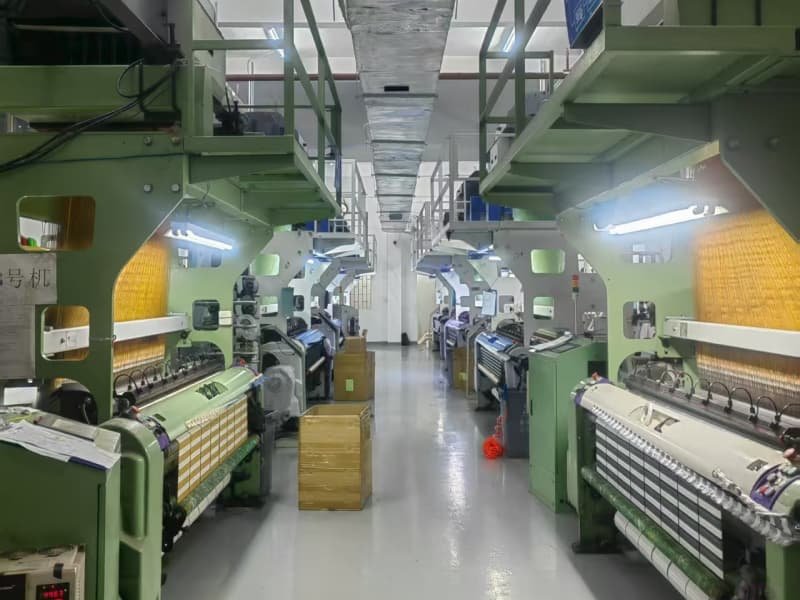
Why HUASAN can offer low-MOQ custom keychains
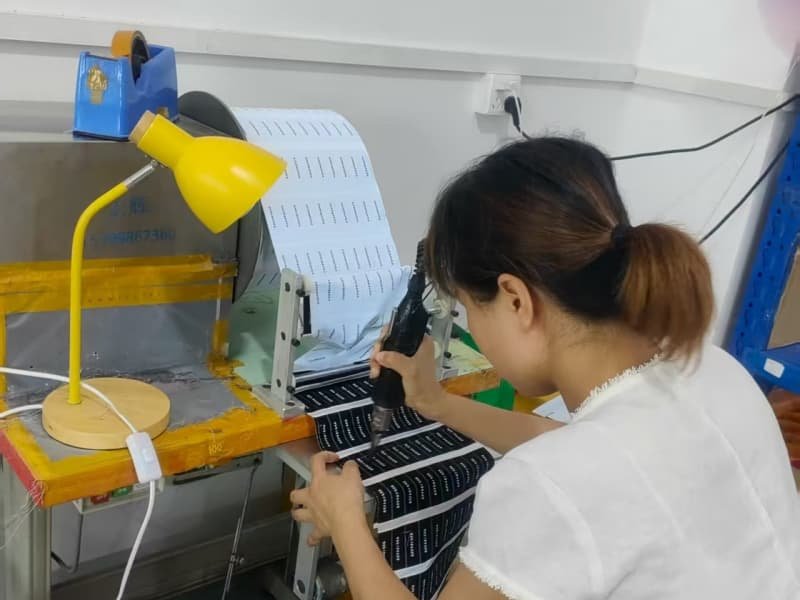
There are factories that might not accept small quantity, but there are also source factories which have their own tooling so they can accept small quantity. HuaSan runs its own mould shop, so setup costs stay low enough to take on small runs that a middleman would turn away. There are also free design and free samples, so you don’t have to spend a ton before trying out a keychain.
Add to that, more than 1000 keyring styles already in existence that you can brand without having to pay for a new mold, the easiest route to a very small first order. Having 15 years of custom PVC work, and a BSCI certified plant, you have a partner for test and grow ordering, not just for huge one-off runs. Check it out on the custom keychain service page, or begin a design from the 2D keychain collection.
Ready to order a small batch?
Send your design, colors, target quantity, and delivery date. HUASAN will confirm the practical MOQ, sample plan, unit price, and any tooling cost before production.
Request a Small-Batch Quote
Custom Fabric Keychains
- MOQ from 100 pieces
- Embroidery, weaving, or digital printing
- Samples typically ready in 1-3 days
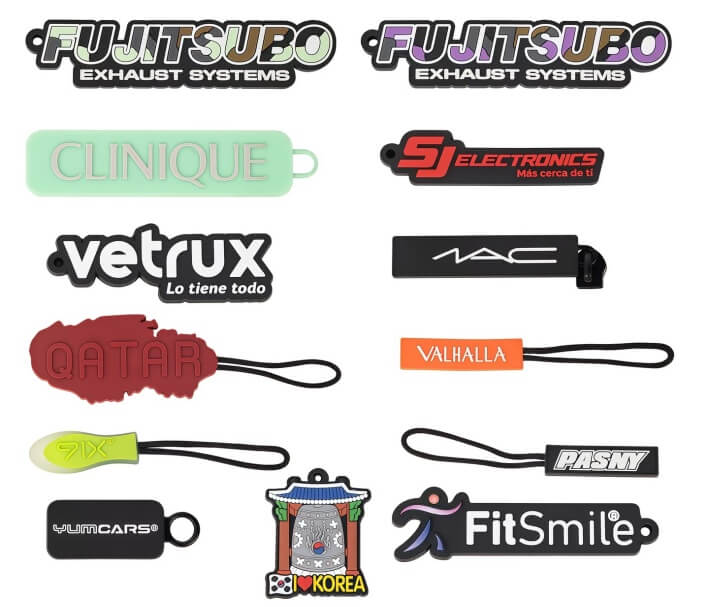
Custom 2D PVC Keychains
- MOQ from 100 pieces
- Up to 36 custom colors
- Single or multiple raised layers
FAQ
What is the minimum order for custom keychains?
It depends on the material. PVC, zinc alloy, and fabric keychains start at 100 pcs, silicone at 500 pcs, and plastic at 1,000 pcs. In-stock styles also start at 100 pcs with no tooling fee. Check the table above for tooling costs and lead times.
Can I order just a sample or a few pieces first?
Yes. Most factories will make a sample so you can check quality before you commit, and some offer it free, so you can see your keychain before a full order.
Why is my sample so expensive compared to bulk?
A sample carries the full setup on a single piece, so its per-unit cost is high. That cost spreads out and drops sharply once you order in volume.
How can a factory offer low or no MOQ?
Usually by using an existing mold or stock design, so there is no new tooling to pay off, or by taking a small first order to earn your repeat business.
Can I mix different designs to reach the minimum?
Different shapes each need their own mold, so mixing them does not remove the tooling cost. Running one design in several colors, or combining stock styles, is the cheaper way to add variety.
Does a smaller order cost more per keychain?
Yes. Fewer units means the fixed setup and mold costs are shared across a smaller run, so each keychain costs more than it would in bulk.
Can I reorder a small batch later?
Yes. If the factory still holds your mold, reorders are cheaper because the tooling is already done. Confirm how long they store it.
How long does a small keychain order take?
Existing styles ship fastest since they skip the mold stage. A new custom design adds mold and sample time. Share your deadline and confirm the full timeline before approving your sample.