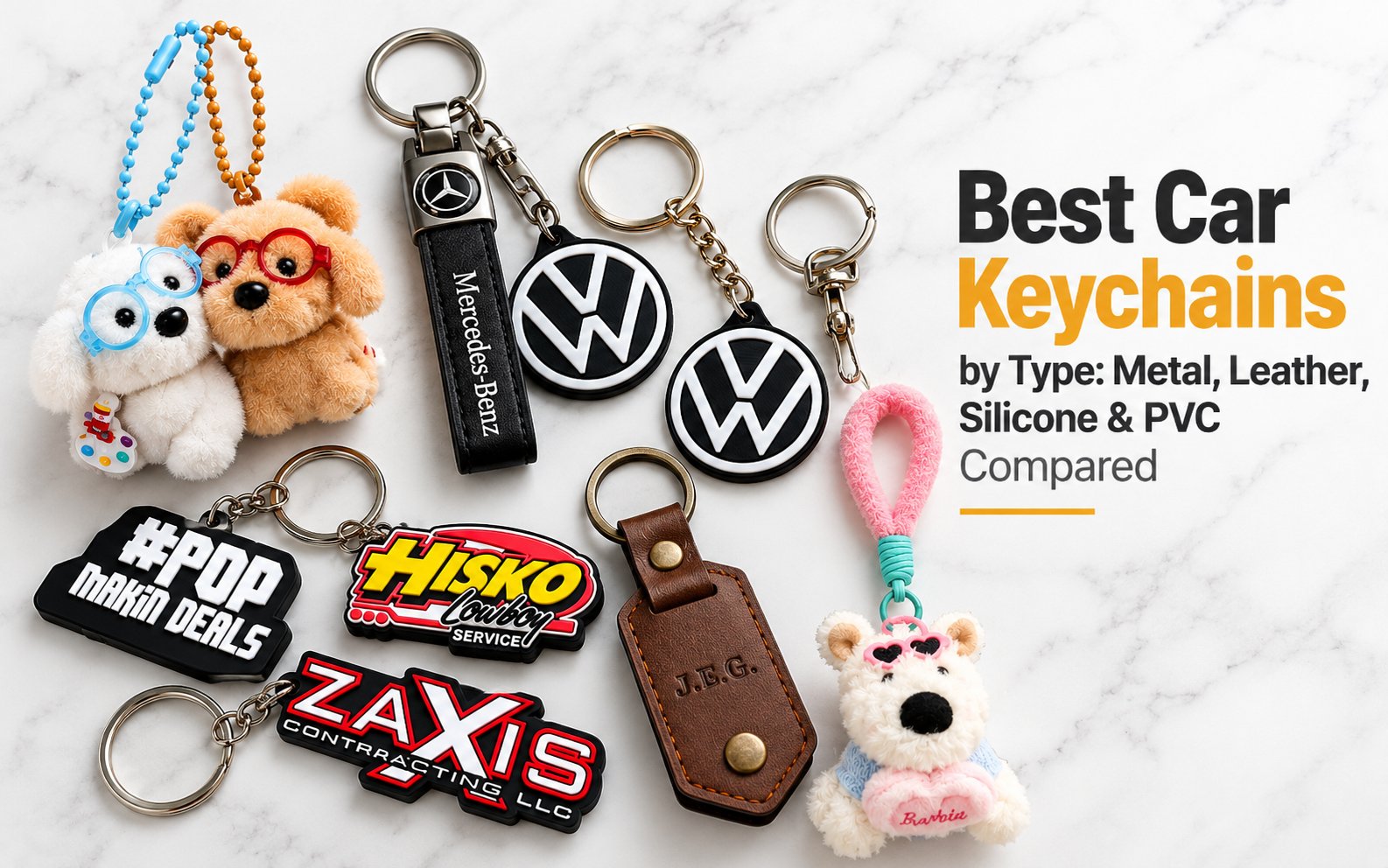
The best car keychain for you comes down to two things: what kind of key you’re carrying, and whether you mind a hard material tapping against your interior. A heavy die-cast metal keyring suits a traditional bladed key and a buyer who wants weight and a branded look. A soft silicone or PVC tag suits a modern push-button smart fob, since it won’t scratch the dash or add strain on the ignition. Leather sits in between, light and quiet with a premium feel. Below is a straight comparison of the five materials a keychain factory actually works with, what each one gets wrong over time, and how to match one to your keys.
The Five Car Keychain Materials, Compared
| Material | Durability | Weight | Scratch risk to your car | Custom unit price @1,000 pcs |
|---|---|---|---|---|
| Metal (zinc alloy / stainless) | Highest, corrosion-resistant, but plating and enamel can wear | Heaviest, medium-heavy to heavy | High, hard edges can mark interior plastic and the ignition barrel | $0.35 to $2.50 |
| Leather (genuine / PU) | Medium, ages well but can crack, fray, or absorb moisture | Light | Minimal, soft and quiet against trim | $1.10 to $3.50 |
| Silicone | High, waterproof, dust-proof, wear-resistant | Light | None, flexible and soft | $0.35 to $1.10 |
| Soft PVC | High, waterproof, holds color well | Light | None, soft rubber | $0.30 to $1.30 |
| Acrylic | Medium, surface scratches and can crack on a hard drop | Light | Low, smooth polished edges | $0.35 to $0.95 |
Scope note: durability, weight, and the unit-price ranges come from Huasan’s own key ring materials guide, checked live October 2026 (FOB South China, one design, 1,000 pieces, tooling excluded). Scratch-risk ratings reflect how the finished material behaves against a car interior, not a published figure. The title names four headline materials. Acrylic is the fifth here because it’s a real, low-cost option worth knowing about, even though it reads less like a “car” material than the other four.
Which Lasts Longest in Daily Car Use
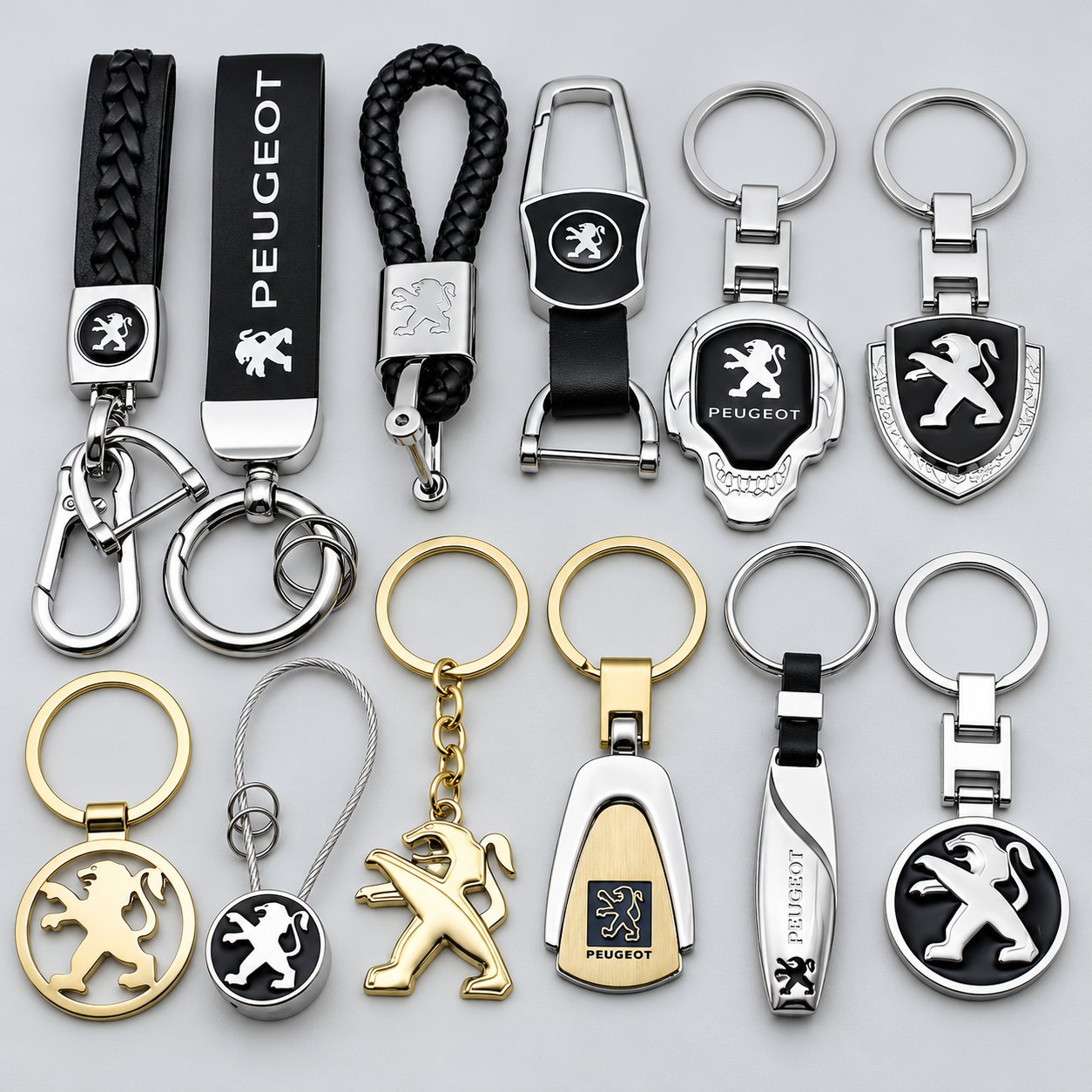
Metal wins on raw durability, with a catch. Zinc alloy and stainless steel shrug off years of jingling in a pocket or an ignition, and stainless resists corrosion better than almost anything else here. What wears out first on a metal car keychain isn’t the metal. It’s the plating and the enamel. The gold, nickel, or black finish rubs thin where the keyring contacts your other keys, and soft enamel color can chip on the edges. If you want a metal piece that holds up, ask for hard (baked) enamel rather than soft enamel, and a stainless or thicker plated finish at the wear points. You can see the real options on the custom metal keychains page.
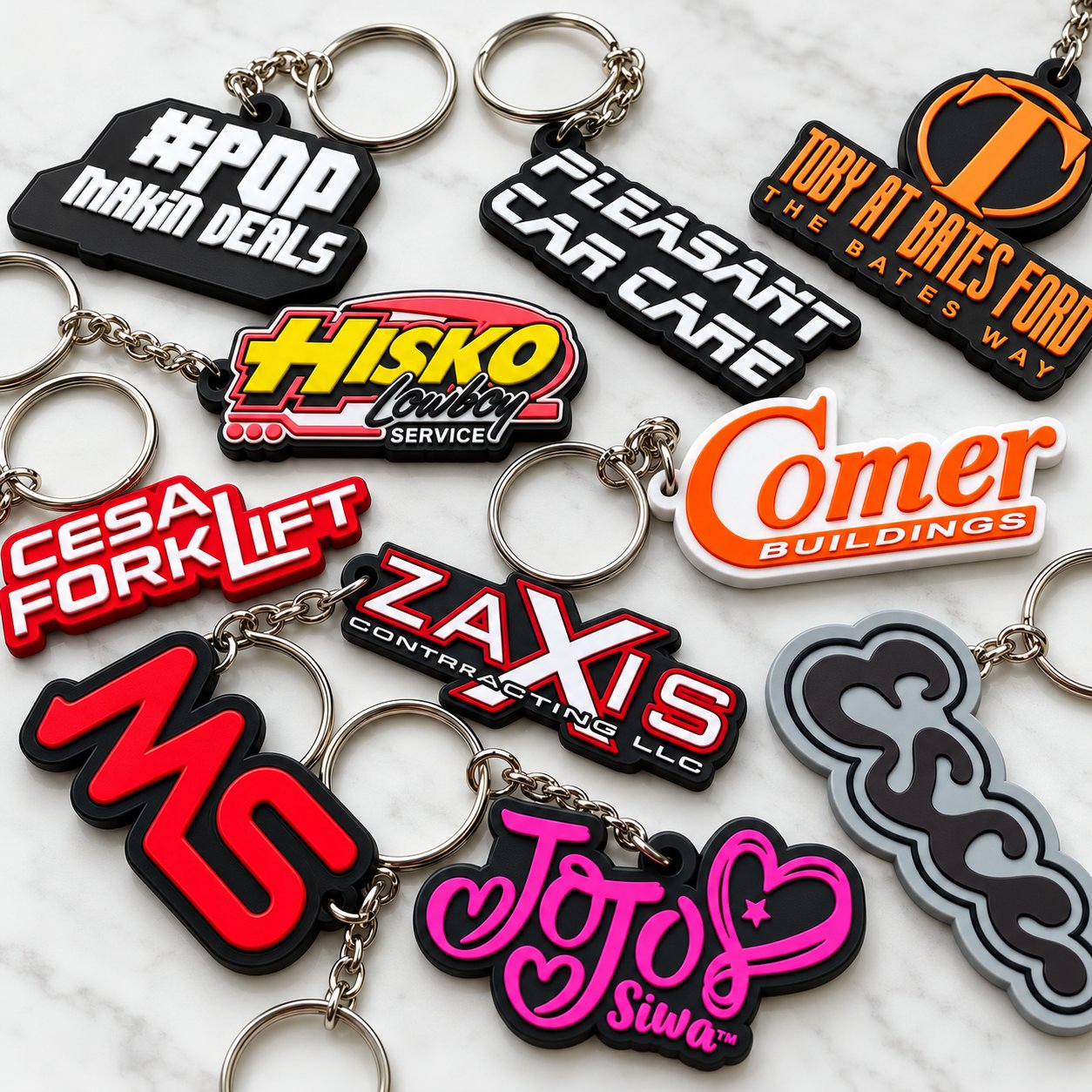
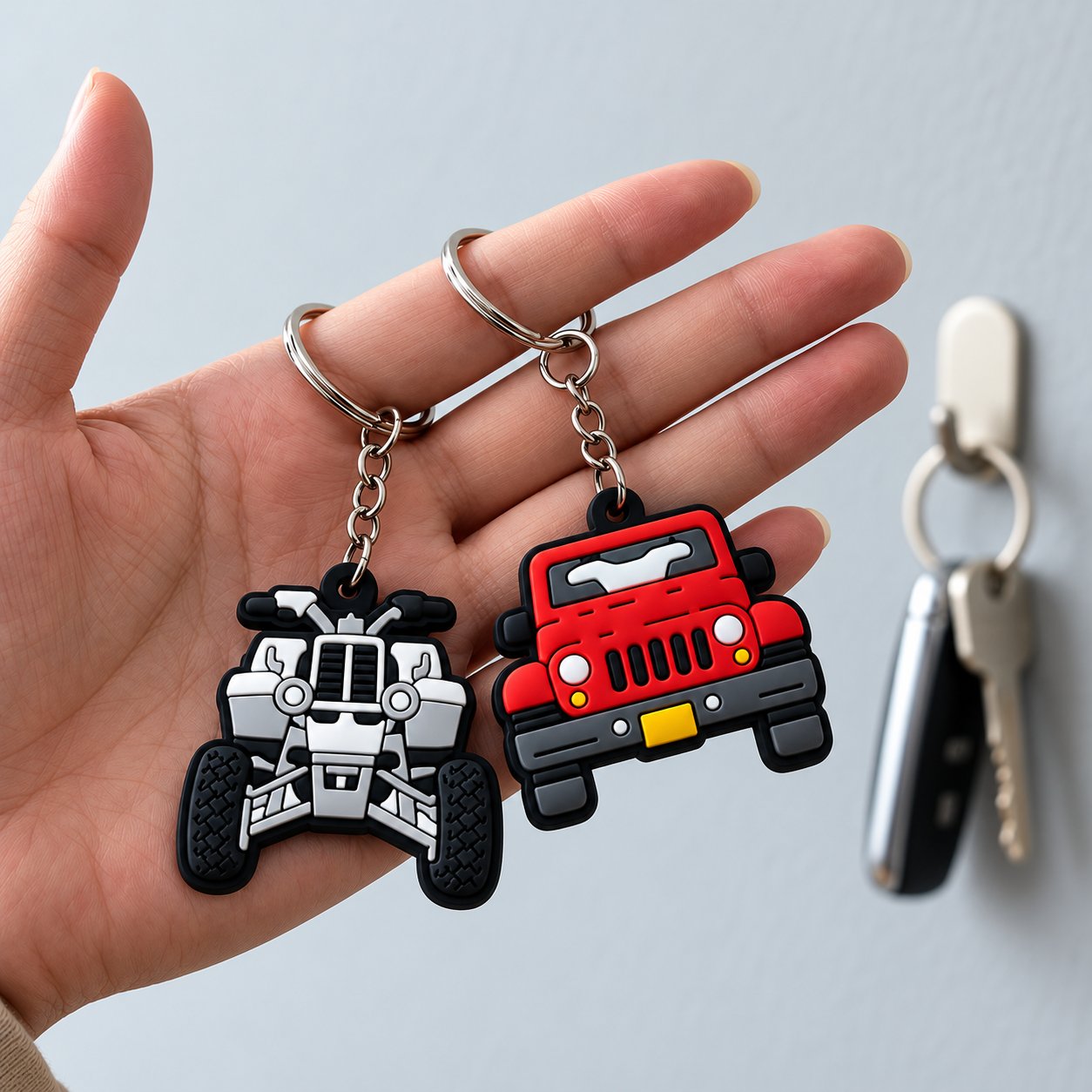
Silicone and soft PVC are the quiet overachievers. Both are waterproof, dust-proof, and flexible, so they don’t corrode, chip, or crack the way a hard material can. Your soft PVC or silicone tag survives being sat on, dropped, and rained on without changing shape. The tradeoff is a less formal look and a surface that attracts lint. For a car fob cover or a giveaway that has to take abuse, this is the most forgiving material you can pick.
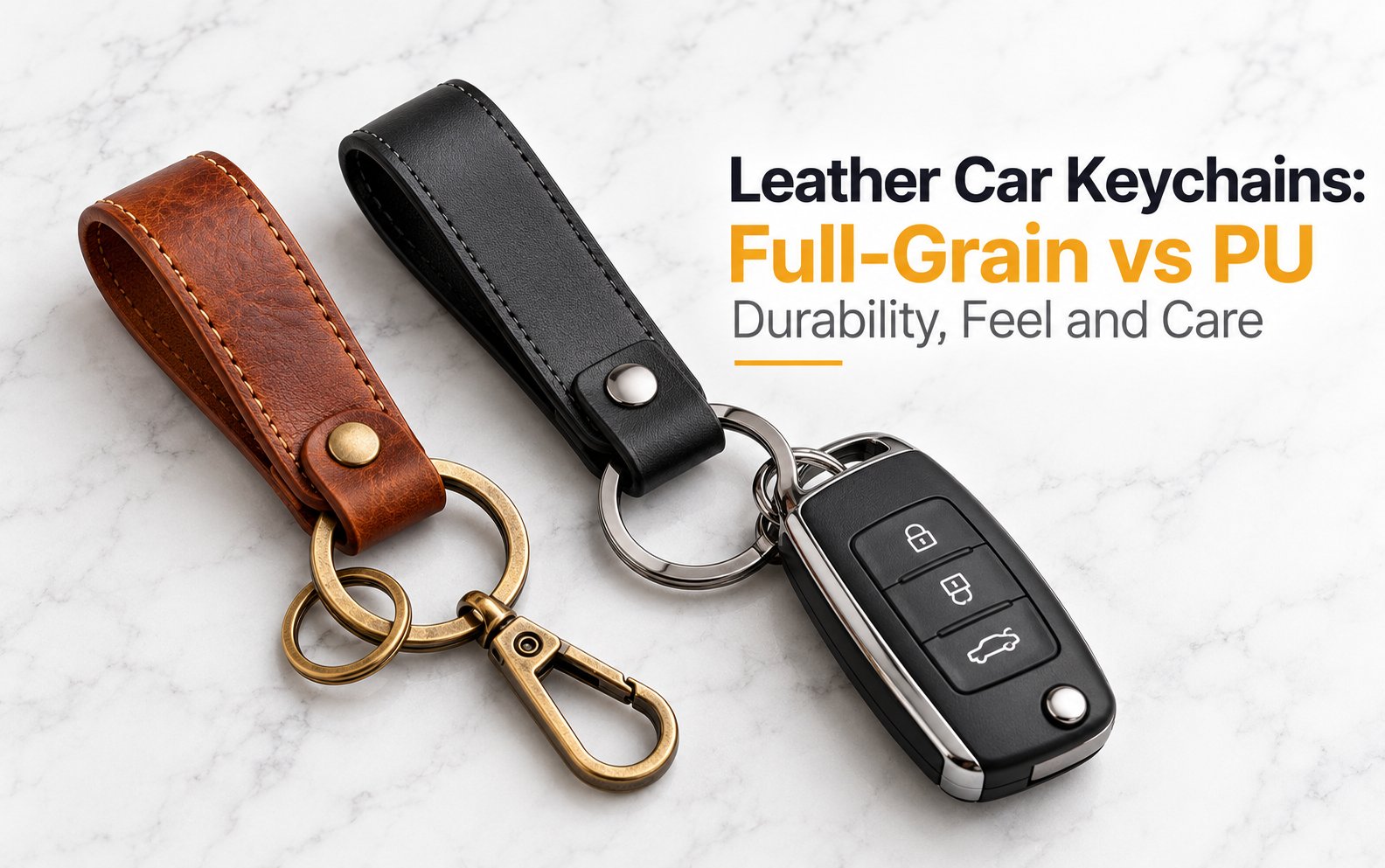
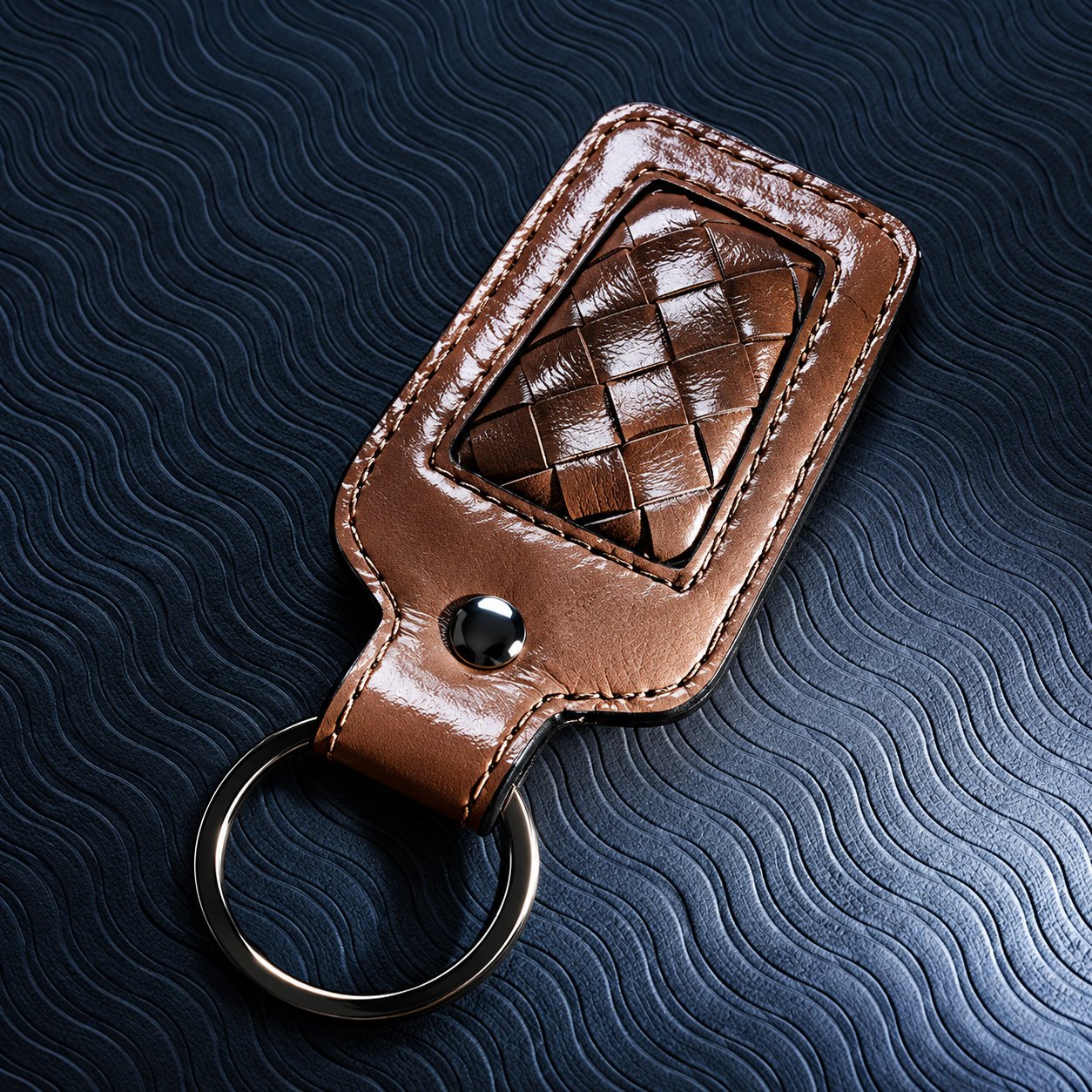
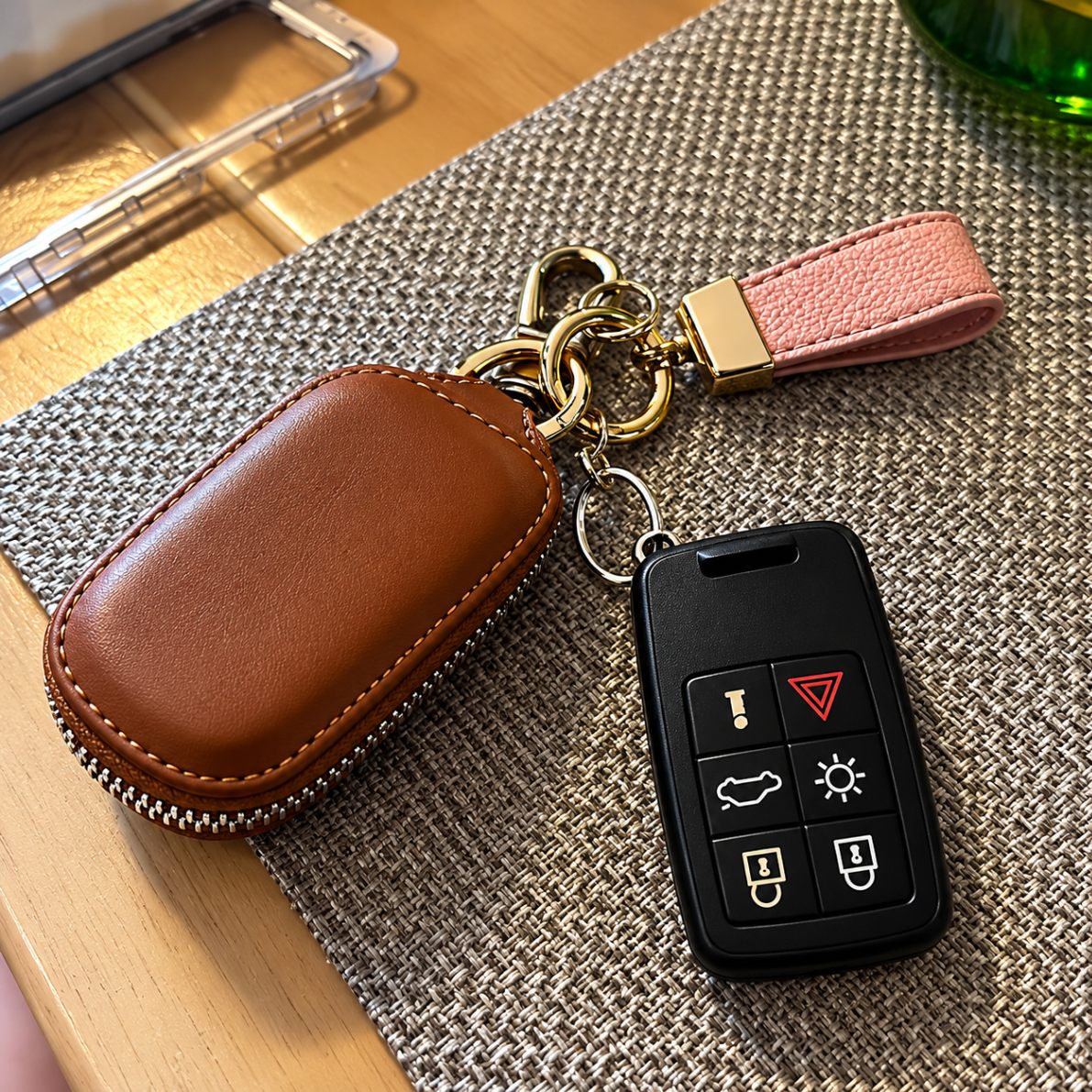
Leather is the one that ages rather than lasts. Good genuine leather develops a patina and a soft hand feel over a year of carry, which is exactly why it reads as premium. Left in a hot car or soaked repeatedly, though, it stiffens, cracks at the fold, or absorbs moisture and smell. PU leather holds its look longer but won’t develop that patina. If you’re weighing leather for a car key specifically, the leather keychain guide breaks down genuine versus PU and the finishing methods in full.
Acrylic lands in the middle. Your printed artwork stays vivid because it’s sealed under or inside the acrylic, and the color holds its fastness well. But acrylic itself scratches with daily key friction, and a hard drop onto concrete can crack or chip it. It’s a strong choice if you want a bright, full-color design on a budget, less so for a keychain that lives on your working key ring for a decade.
Weight and Scratch Risk: The Part Most Guides Skip
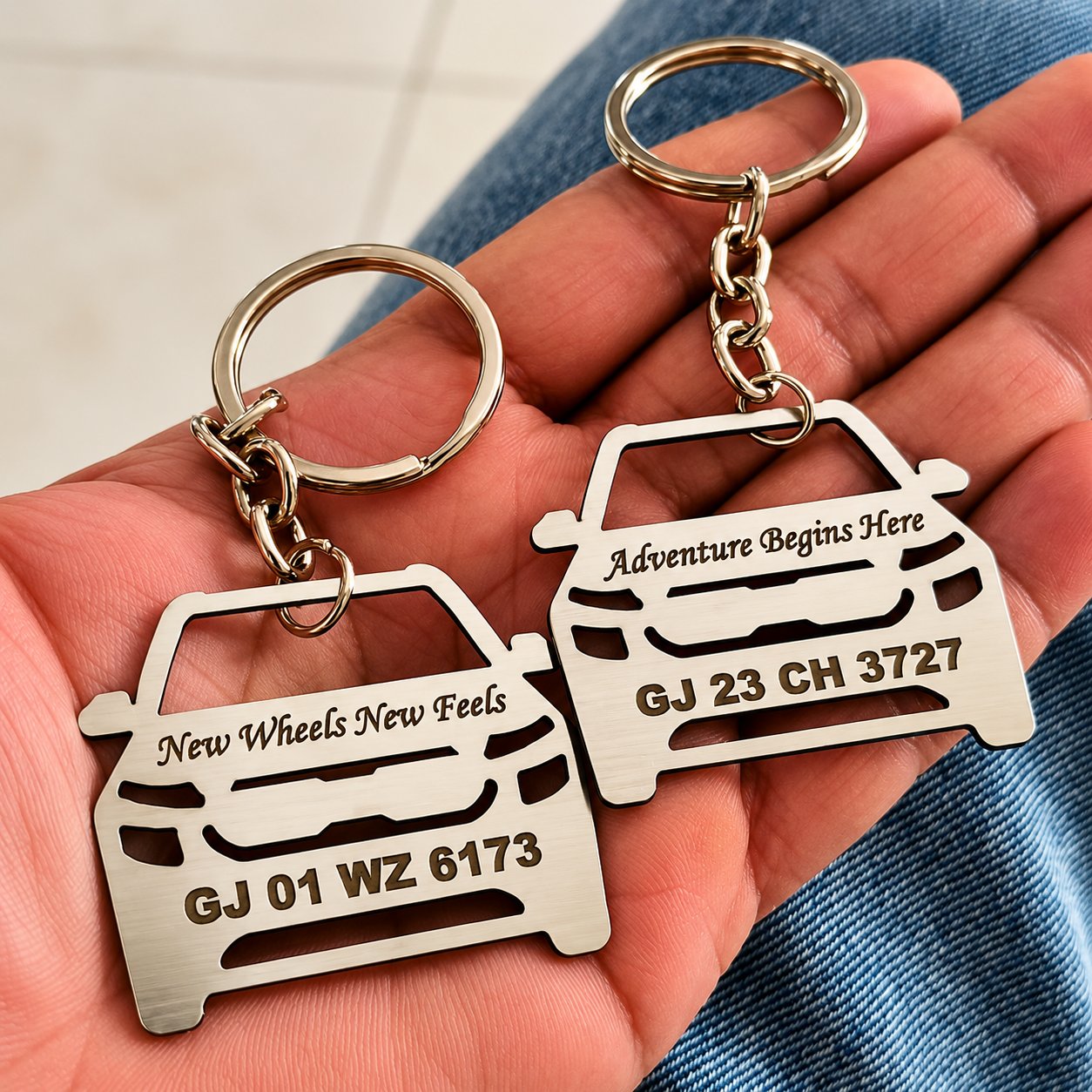
Weight matters more on a car key than on a house key, for one specific reason. If you hang a heavy keychain off a modern smart fob, it puts constant downward strain on the ignition switch, or dangles against the steering column and lower dash. Older vehicles with a bladed key in a metal ignition barrel are more sensitive to this than you’d think. A chunky die-cast keyring is fine clipped to a bag, but on a key that stays in the ignition while you drive, lighter is safer for both the switch and your trim.
Scratch risk runs the same direction. Metal is the only material here that will mark your interior. A loose zinc or stainless keyring taps the plastic around the ignition, the center console, or the door card every time you drive over a bump. Leather, silicone, soft PVC, and acrylic are all soft or smooth enough that you won’t have this concern. If you love the look and heft of metal but drive something with soft-touch trim, the fix is a short leather or silicone strap between the fob and the metal charm, so the hard part never swings free against a surface.
What a Custom Car Keychain Actually Costs to Order
Price per piece depends on material, quantity, and how complex your logo is, so treat the ranges in the table as a starting point rather than a quote. Two things drive the real number. The first is tooling. Acrylic and fabric need no mold or a cheap cutting die, so they start at 50 to 100 pieces and sample in 3 to 5 days. Die-cast zinc alloy and compression-molded silicone need real steel tooling that runs $120 to $450, which is why they carry higher minimums, though that fixed mold cost spreads thinner as your quantity climbs.
The second is the logo method. A single debossed mark on silicone costs less than full hard enamel with multiple Pantone colors on zinc alloy. For a dealership or car-club order where you want a specific brand color matched exactly, acrylic and metal enamel give you the closest Pantone match, while silicone and rubber are limited to two spot colors. Huasan’s PVC vs silicone vs metal breakdown compares these decoration limits side by side if your artwork is color-heavy.
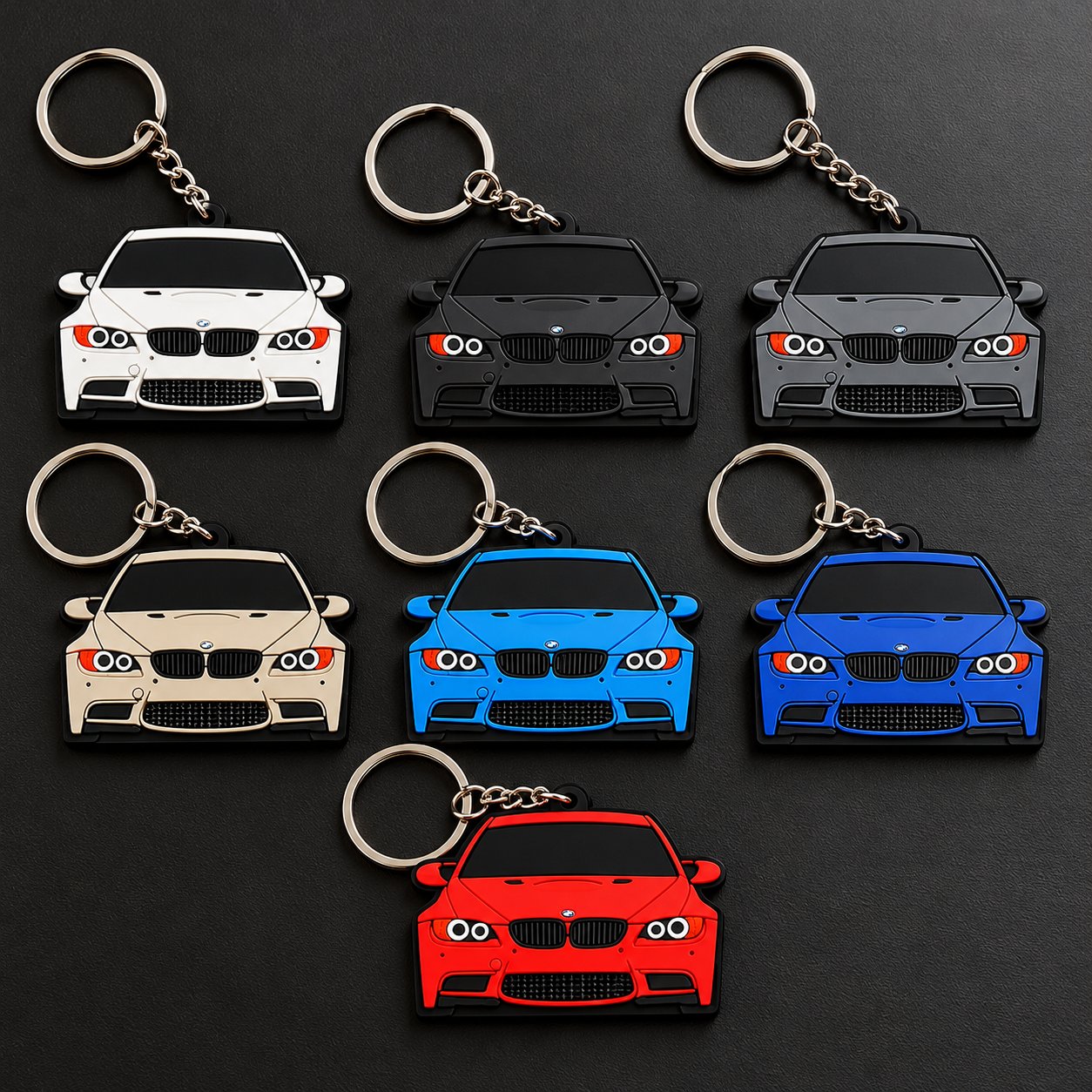
For the lowest entry cost on a full-color car design, acrylic keychains start at a 50 to 100 piece minimum with no mold fee. For a premium metal piece like a die-cast enamel muscle car keyring, expect a 100 to 300 piece minimum and a one-time mold cost that disappears on reorders.
How to Match a Keychain to Your Keys and Who It’s For
The right pick changes with your key type and who’s carrying it. Three common cases:
A modern push-button smart fob (Kia, Honda, Toyota, most new cars): go with silicone or soft PVC, either as a slim tag or a full fob cover. It’s light, it won’t strain the fob or scratch trim, and a cover also protects the fob’s own buttons from wear. This is the safest default for anyone driving a newer vehicle.
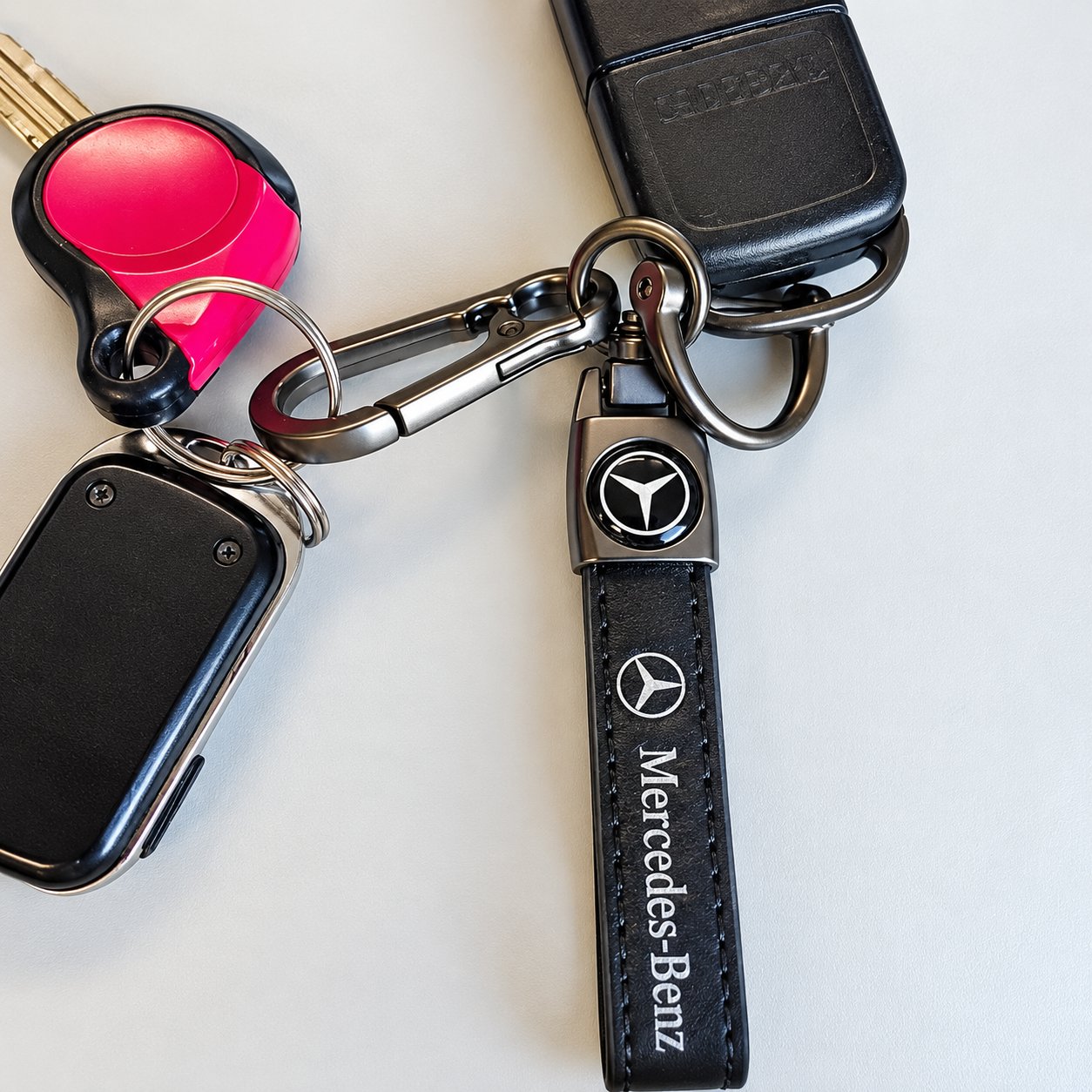
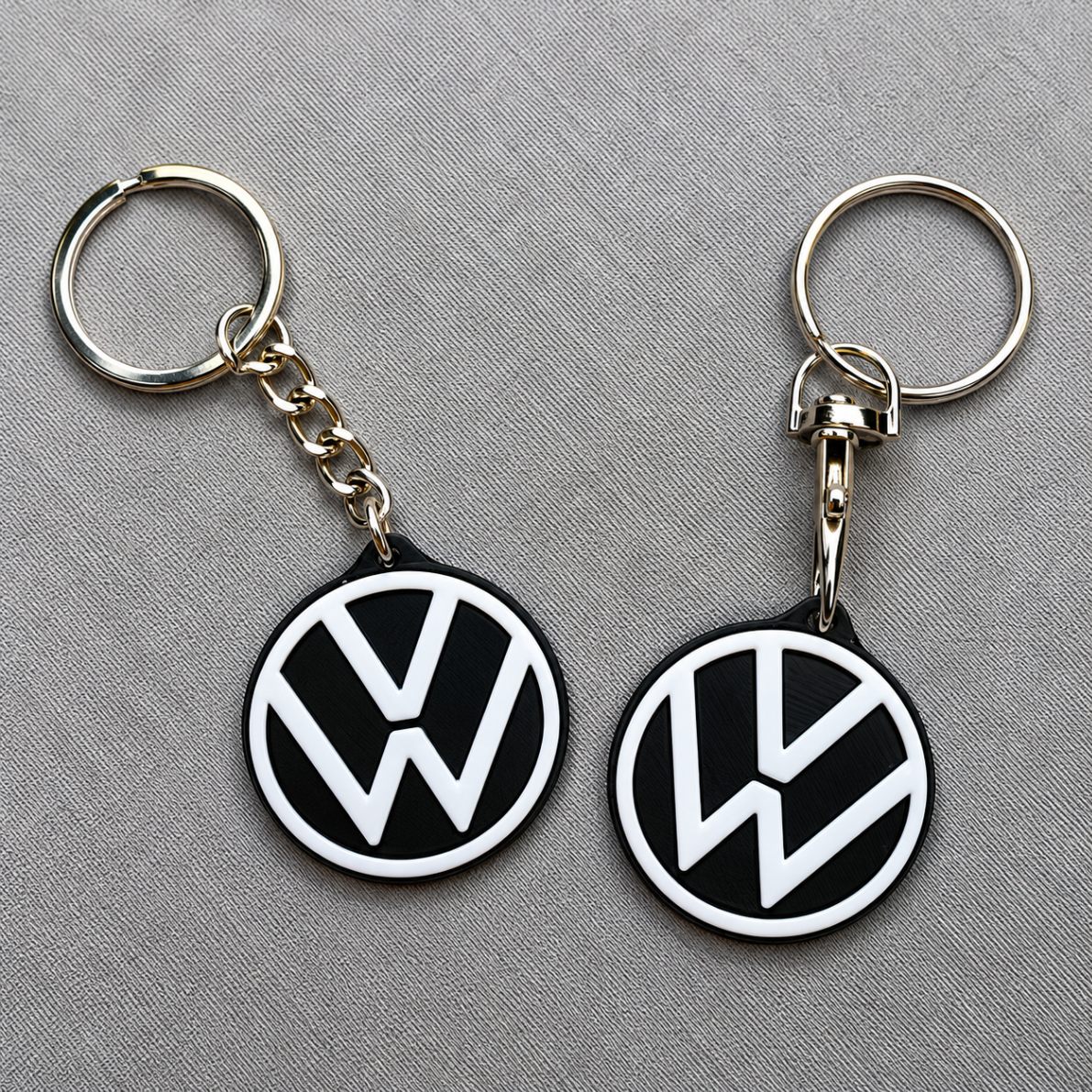
A traditional bladed key or a spare you keep on a bag: metal or leather both work, since the key isn’t sitting in an ignition under load. A man buying for himself often wants the weight and branded look of a die-cast enamel car badge. A lighter plated metal pendant or a slim leather tag reads better as a gift or for someone who carries keys in a small bag.
A dealership, 4S shop, or car-club giveaway: match the material to budget and quantity. Soft PVC or acrylic gives you the lowest cost and full color for a large run. Leather or enamel metal moves the gift upmarket for VIP customers or a smaller club order.
If you’re buying a gift and not sure which direction fits the recipient, weight and formality are the two levers. Heavier and metal reads as a serious enthusiast gift. Lighter and softer reads as practical and everyday.
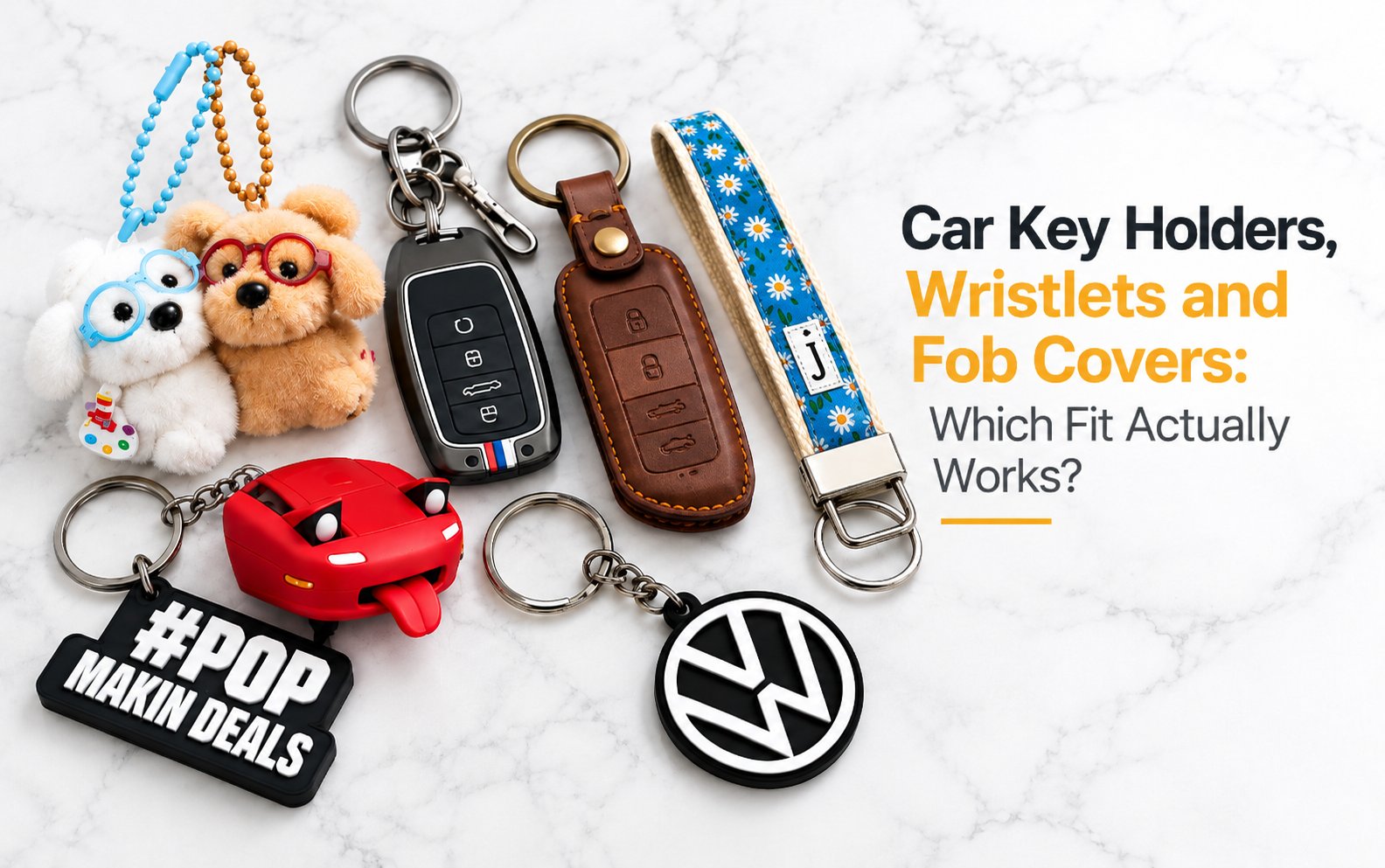
For a modern smart fob, the lightest option that still looks premium is a leather or silicone fob cover. It adds almost no weight, protects the fob buttons, and keeps a soft surface against your trim.
For a bladed key that lives on a bag, weight stops being a problem, so a heavier metal or enamel piece is safe to choose on looks alone.
Where Car Keychains Actually Fail
Most car keychains don’t fail at the material. They fail at three predictable points, and knowing them tells you what to check before you order in bulk.
The split ring cracks or opens. The small circular ring that holds your keys is the single most common failure, and it’s independent of the keychain material. A thin, cheaply stamped ring bends open or cracks at the seam, and you lose keys. Ask your supplier for a thicker split ring or a welded ring, especially on a heavier metal piece where the weight works the ring harder.
The plating wears and the enamel chips. On metal, the plated finish rubs thin where the keyring rides against your other keys, and soft enamel color flakes off raised edges over time. Hard enamel and a quality plating at the contact points hold up far longer. This is worth specifying up front rather than discovering six months in.
The connector loop deforms or tears. On soft PVC, silicone, and leather, the loop or tab where the ring attaches is the weak spot. A soft tab can stretch and tear under a heavy key load, and leather can crack at the fold where the ring sits. A reinforced eyelet or a metal grommet through the loop solves this, and it’s a standard upgrade to request on any soft-material car keychain.
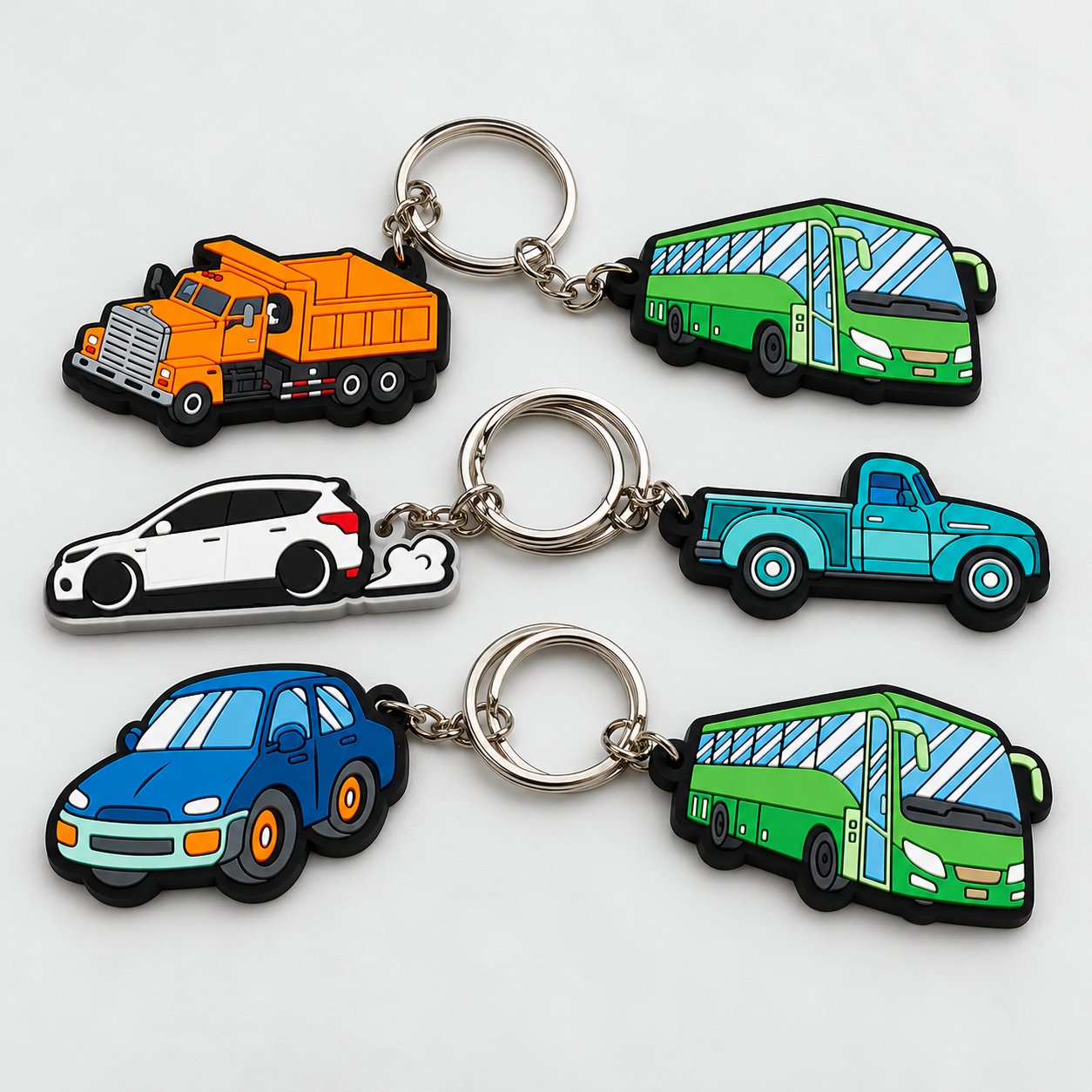
Check three points before you commit to a bulk order: the split ring thickness, the plating and enamel quality at the contact points, and the strength of the loop that holds the ring.
FAQ
What is the best type of keychain for car keys?
For a modern push-button smart fob, silicone or soft PVC is the safest choice, since it’s light, won’t scratch your interior, and won’t strain the ignition. For a traditional key or a keychain you keep on a bag, metal and leather both work and give you a more premium look. Send your key type and quantity to a supplier and they can point you to the material that fits your use and budget.
Will a heavy metal keychain damage my car’s ignition?
It can, on a key that stays in the ignition while you drive. The constant weight puts strain on the ignition switch over time, and a loose metal charm can scratch the plastic around the barrel and the lower dash. If you want the metal look without the risk, add a short leather or silicone strap so the hard part never swings freely against your trim.
Which car keychain material is cheapest to customize with a logo?
Acrylic and soft PVC 2D are the lowest-cost options for a custom car keychain, both starting around a 50 to 100 piece minimum, with acrylic needing no mold fee at all. Acrylic also gives you the best full-color and photographic logo reproduction. Ask for a sample on your chosen material before committing to a full run, so you can check the color match and the loop strength in person.
Get a Custom Car Keychain Quote
Huasan has run a custom keychain factory in Shenzhen since 2011, making car keychains in metal, leather, silicone, soft PVC, and acrylic with your logo. Tell us your key type (smart fob or bladed key), your material, and your target quantity, and we’ll recommend the right loop and finish for daily car use. Request a free sample and a quote to check the color match and ring strength before you order in bulk.