Custom keychain quality control is easiest to manage before production starts, not after a problem lands in your customer's hands. This factory checklist helps promotional-product distributors, brands, retailers, and sourcing teams define the approved sample, the tolerances, the defect limits, the attachment test, the packaging, and the final inspection plan before a purchase order goes out. Get these agreed up front and a bulk order arrives predictable instead of a gamble.
At our facility, our QC team checks incoming materials, the approved sample, in-process output, and packed goods before release. The checklist below shows what you should agree with any supplier, and what evidence to request before you accept a shipment.
Quick answer: Effective custom keychain quality control uses a signed golden sample, controlled drawings, agreed tolerances, defined defect classes, an AQL sampling plan, attachment testing, packaging checks, and written release authority.
- The controlled, signed-off golden sample
- Specifications and tolerances recorded on a drawing
- Defect classes and the agreed AQL inspection plan
- Compliance scope for the market and intended user
- Required evidence and final-release authority
Quality Control vs Product Compliance
A passed quality inspection or AQL result confirms workmanship and conformity to your specification. It does not, on its own, prove legal compliance. Whether your keychain needs chemical testing, a certificate, specific labels, or a responsible operator depends on the intended user and age, the materials, the destination market, and the sales channel. Treat those as a separate gate, confirm them with a qualified compliance professional before production, and expect stricter requirements if the keychain is aimed at children. This checklist covers the quality gate; it is not a compliance determination.
Custom Keychain Quality Control Checklist at a Glance
| Stage | Acceptance basis | Evidence | Owner |
|---|---|---|---|
| Scope | Intended use, age, market, and spec agreed | Purchase order and spec | Buyer |
| Materials | Controlled material and hardware spec | Declaration and incoming record | Purchasing and IQC |
| Golden sample | Signed, dated, revision-controlled reference | Sample ID and approval record | Buyer and factory |
| In-process | First-article and patrol checks pass | In-process record and photos | Production and QC |
| Appearance | Approved color, dimensions, and workmanship | Measurement and defect record | QC |
| Strength | Documented attachment test and threshold | Test record and photo | QC |
| Packaging | Approved pack-out, labels, and counts | Packing audit | QC |
| Final release | Agreed sampling plan and all gates pass | Inspection report and release | Authorized QC |
1. Confirm Intended Use, Market, and Compliance Scope
Start with the questions that change everything downstream. Confirm who the keychain is for, the age group, the destination market, and the sales channel, then note any tests, labels, or documents your market requires. Settle this before tooling, because a product aimed at children, or one heading into a stricter market, carries requirements that a general adult promotional item does not. Share this with us at the enquiry stage and we build the specification around it.
A documented custom keychain quality control plan keeps market requirements connected to the final specification.
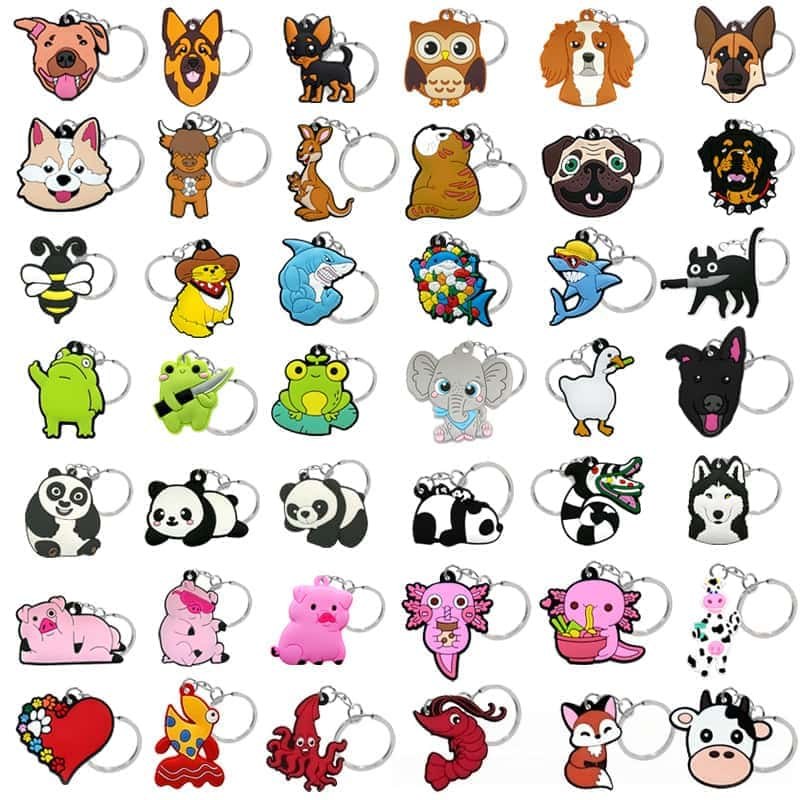
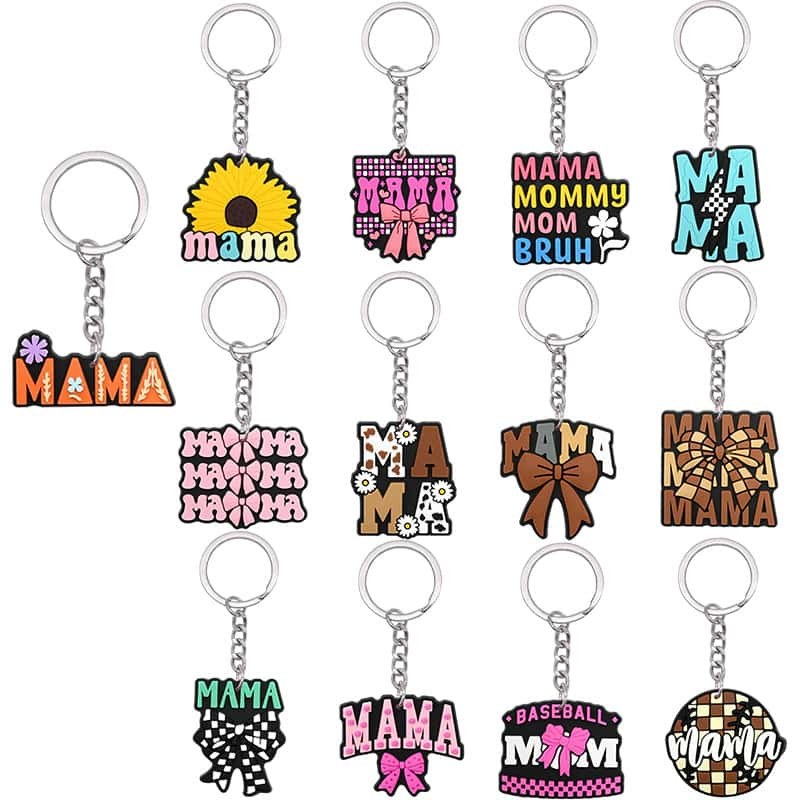
2. Approve Materials, Hardware, and Controlled Specifications
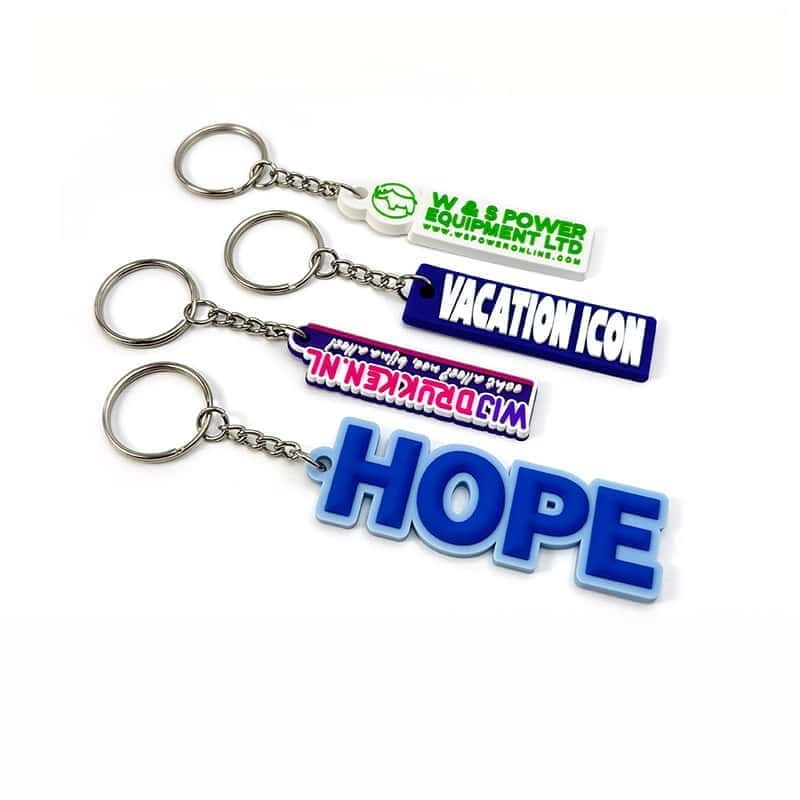
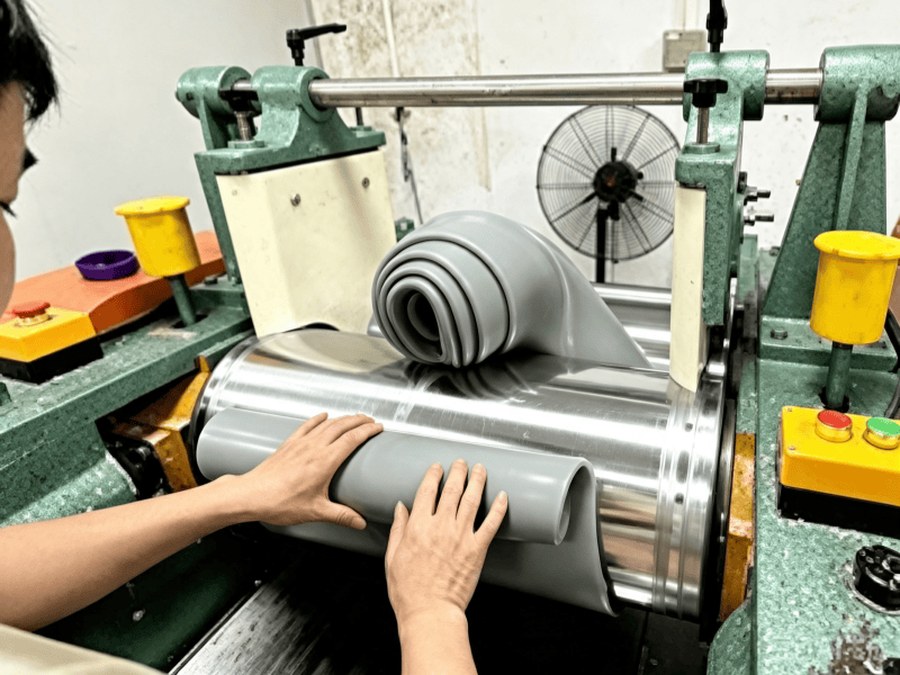
Quality starts before the first piece is molded. Confirm the material grade or metal type, the color reference, and the plating on the hardware, and lock them into a controlled specification. Rings, chains, and clips should be consistent in finish and free of rust. Ask which records the factory can supply for the material, such as a supplier declaration, an incoming-inspection record, or a plating specification, and rely only on records that genuinely exist. See the materials we run on custom metal keychains and custom PVC keychains.
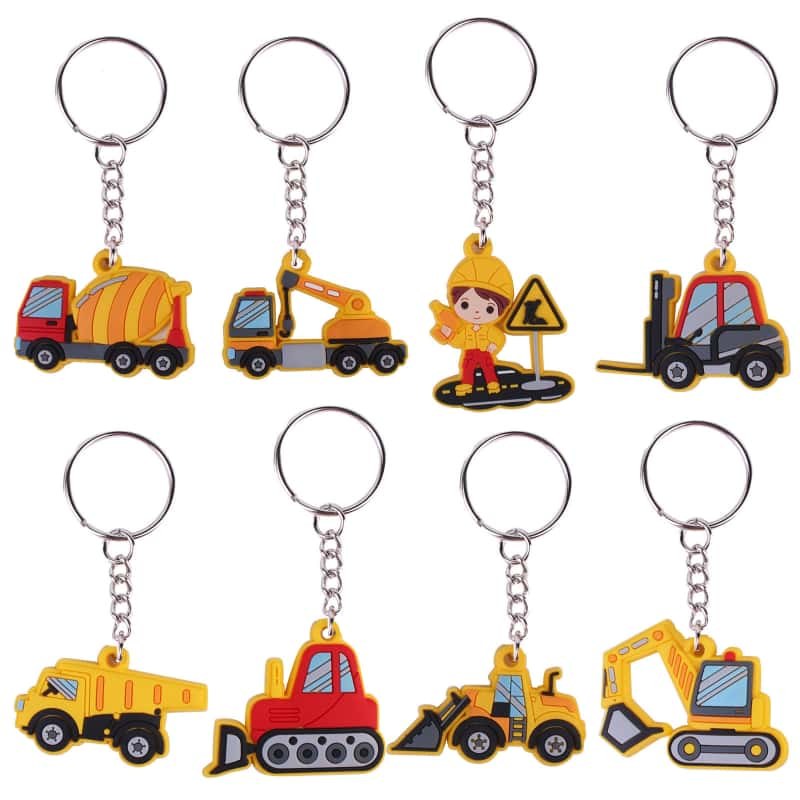
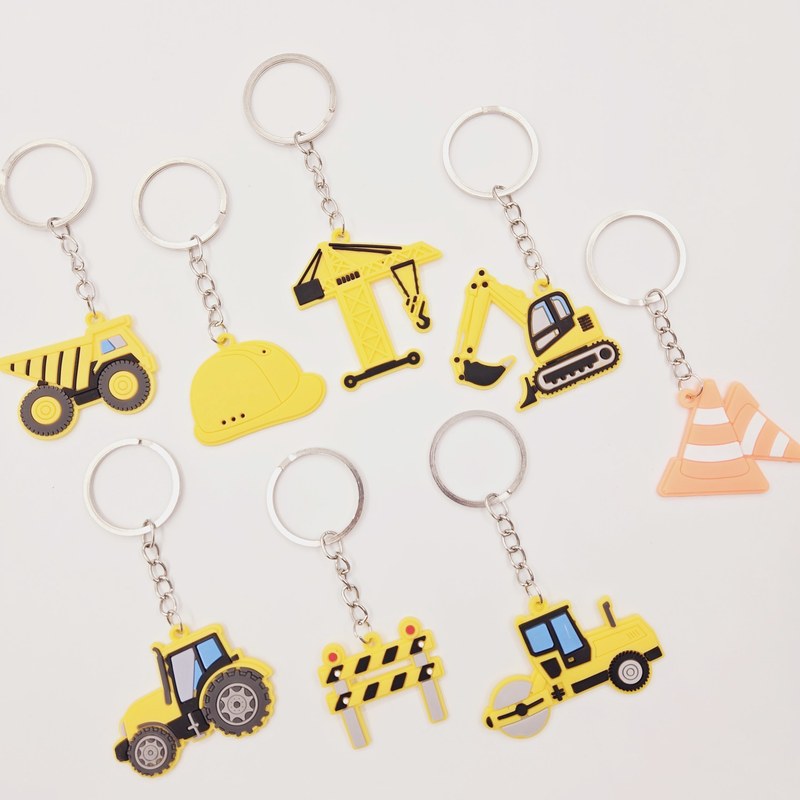
3. Approve and Identify the Golden Sample
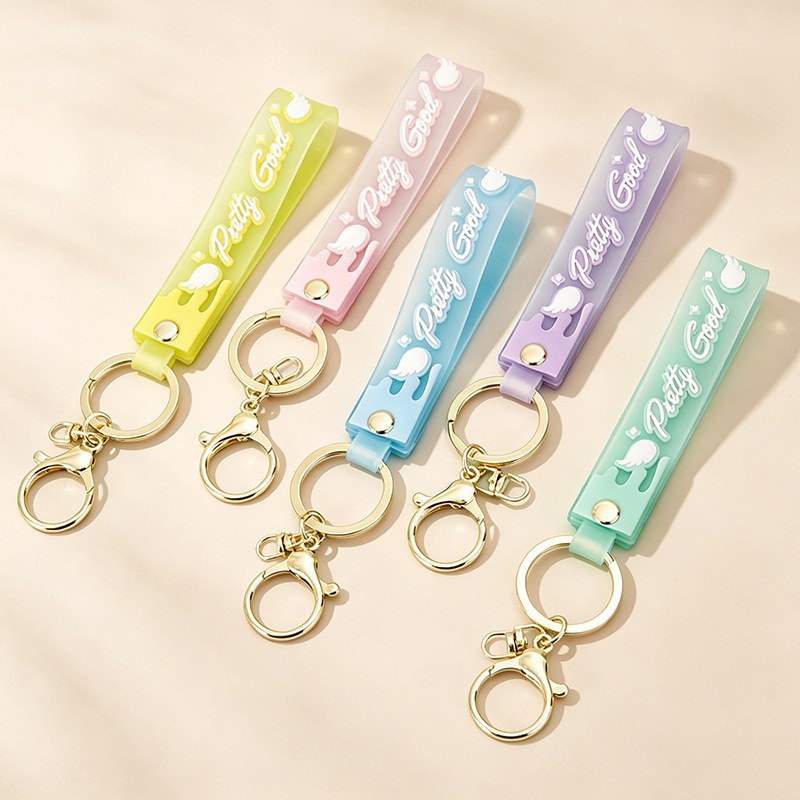
Approve a pre-production sample in writing, and turn it into a controlled golden sample. Give it a sample ID, tie it to the approved artwork revision, record the approval signatures and date, and seal it in storage with a duplicate kept on each side. It becomes the physical reference the whole batch is measured against. If the material or tooling changes later, re-approve the sample under change control, because an old reference no longer represents what you buy.
Strong custom keychain quality control makes the golden sample the reference for every production decision.
4. First-Article and In-Process Checks
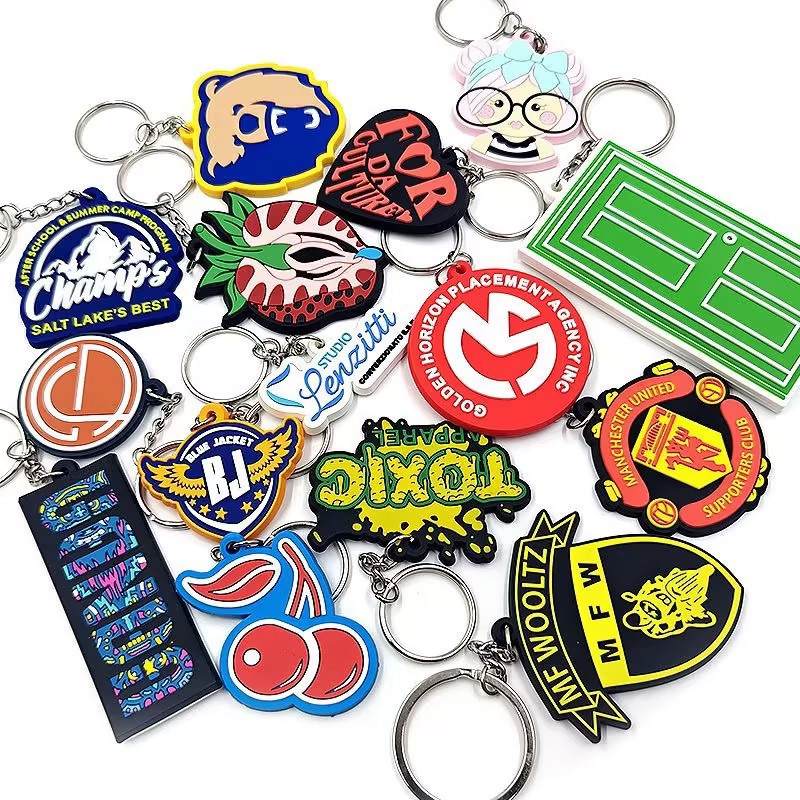
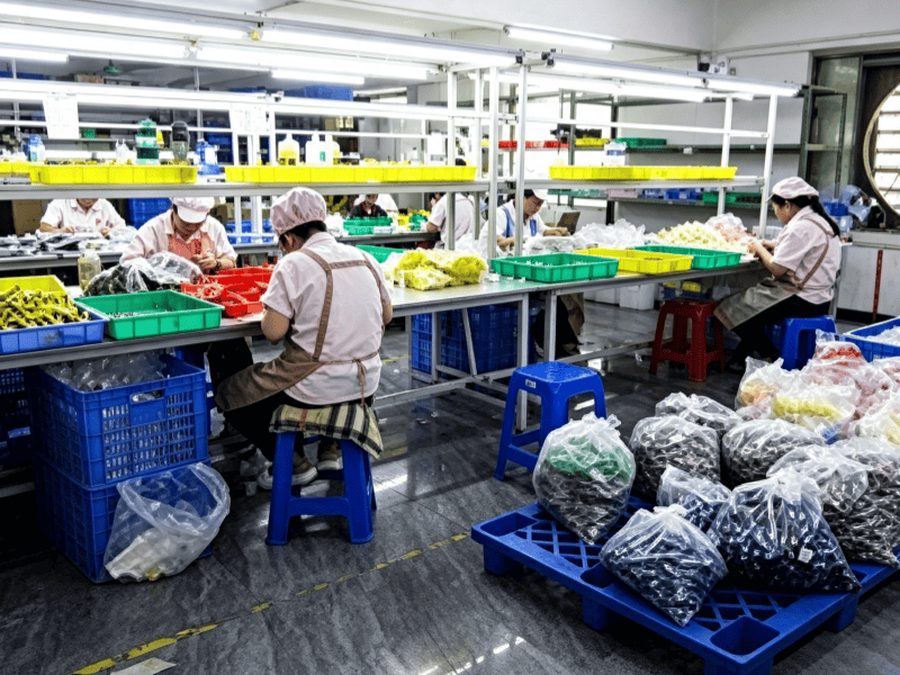
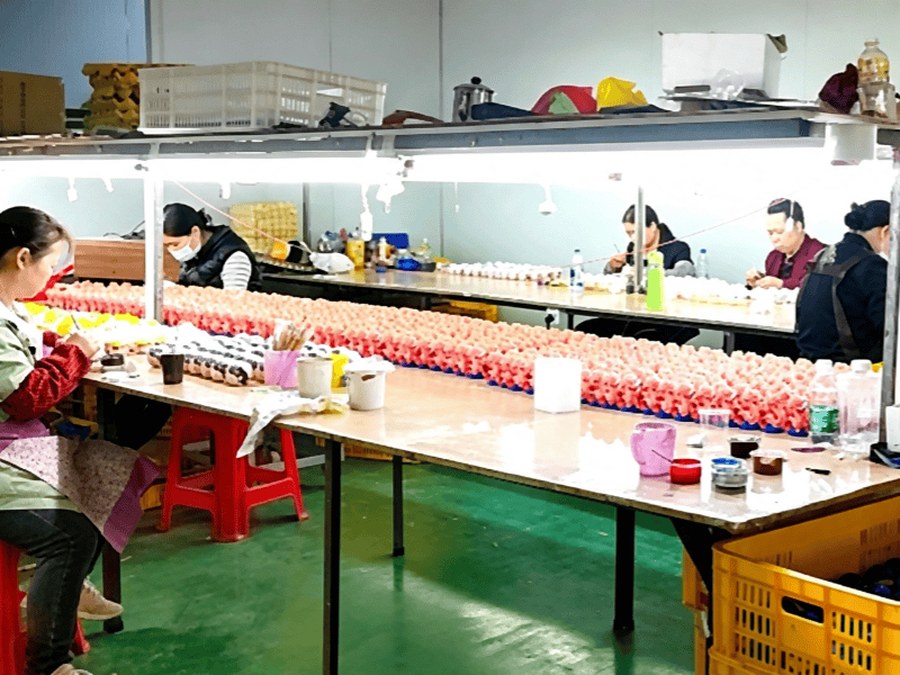
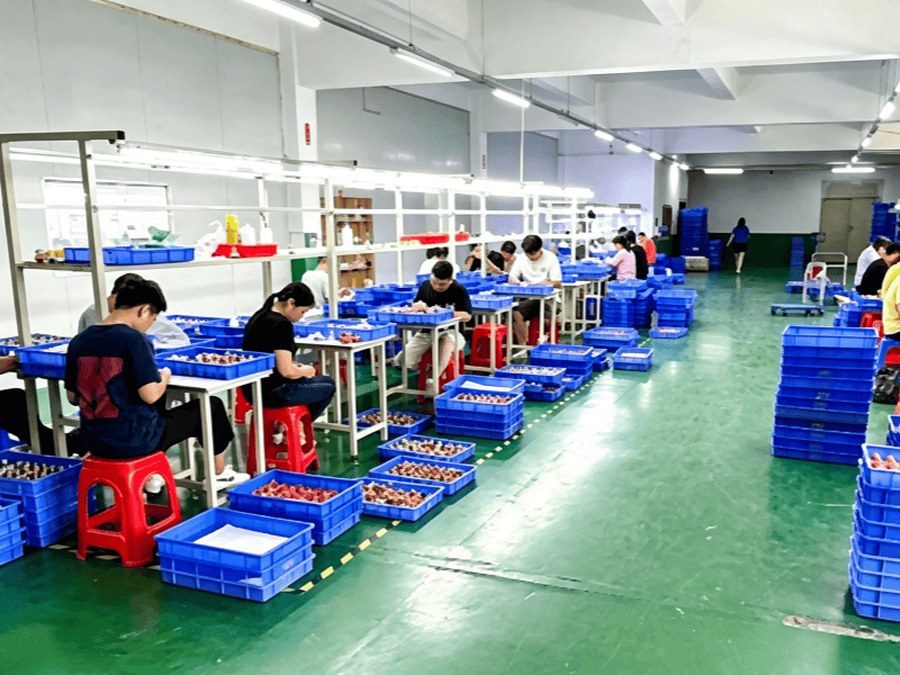
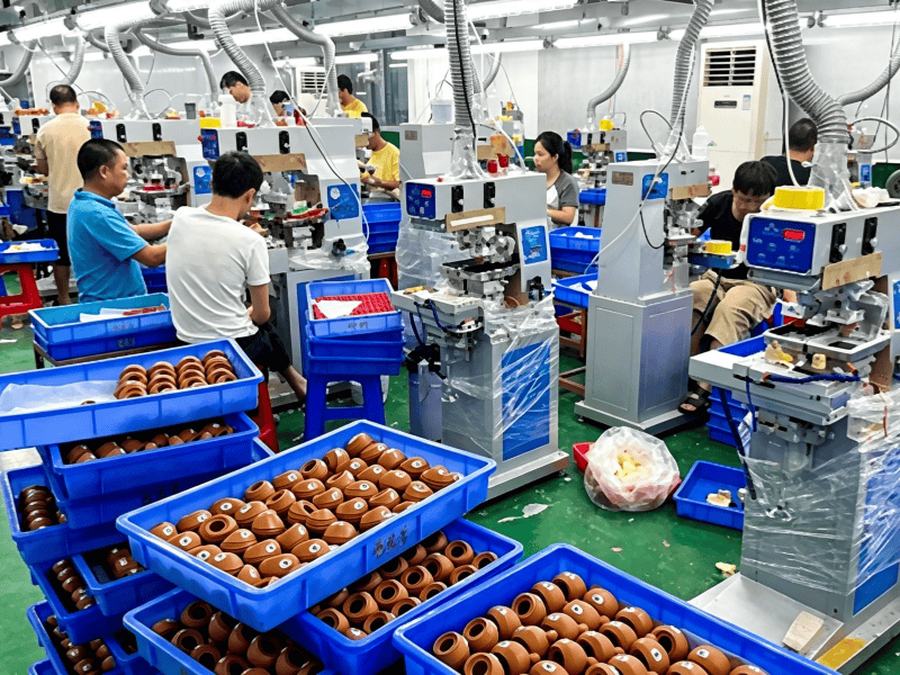
Do not jump from sample approval straight to the finished goods. Run a first-article check when production starts, so the first pieces off the line match the golden sample before the run scales up. Add patrol checks during production to catch drift early, define when output is held for rework, confirm who approves that rework, and keep lots separated so a good batch and a suspect batch never mix. Catching a fault in the first hundred pieces is far cheaper than finding it in the last thousand.
5. Verify Color, Dimensions, and Workmanship
Check the three things buyers notice first, against a written standard rather than memory.
Color checks
compare each batch to the approved Pantone reference or golden sample under a daylight-simulating light source, with a consistent viewing angle and background. Where you need tight control, use a spectrophotometer with an agreed color space and ΔE limit; where the check is visual, say so and accept its limits. Watch for shade drift between batches, color bleed on soft PVC, uneven fill, and enamel color on metal.
Dimensions checks
measure length, width, and thickness against the controlled drawing. Set the tolerance by construction, since soft PVC flexes more than die-cast or stamped metal, and record the agreed tolerance rather than calling it "sensible." Measure across the batch for consistency, not one piece.
Workmanship checks
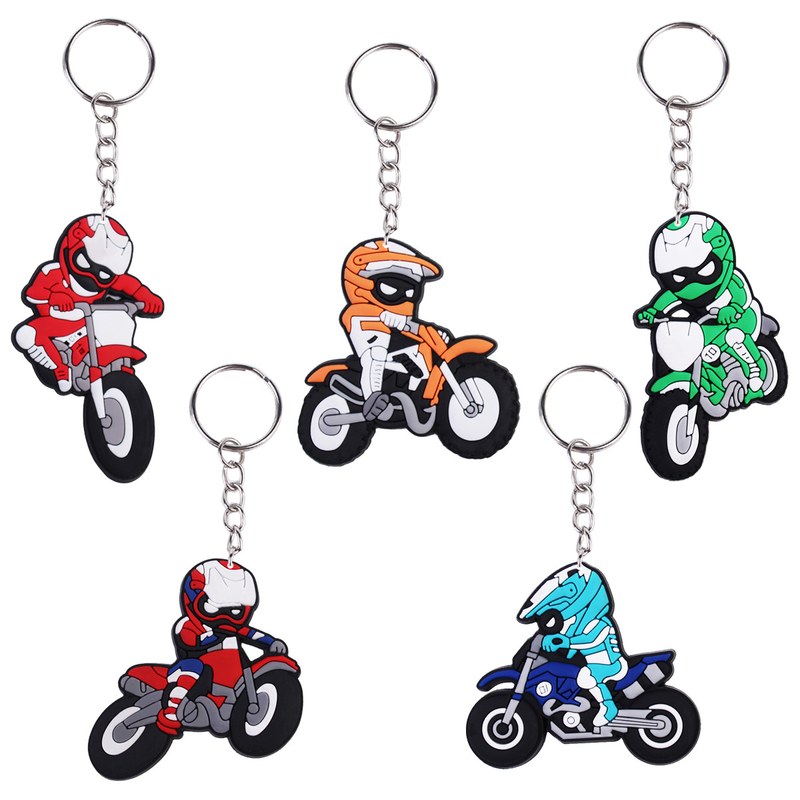
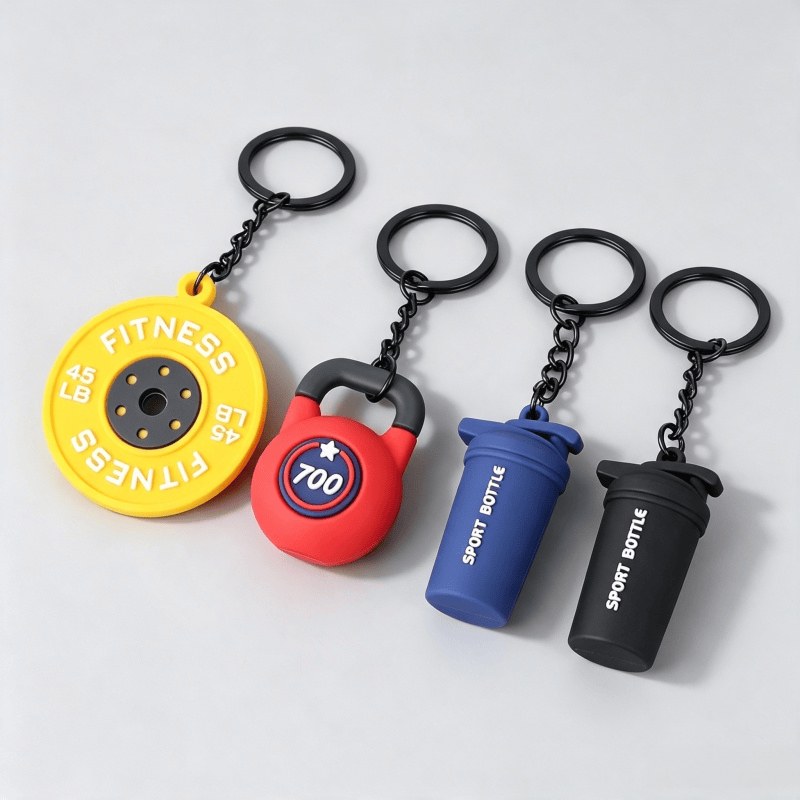
inspect both faces and the edges. On PVC, look for bubbles, stains, flash, incomplete fill, and rough trim; on metal, look for scratches, plating flaws, and enamel pits or overfill.
Consistent custom keychain quality control records color, measurements, workmanship defects, and corrective action.
6. Test Attachment and Hardware Strength
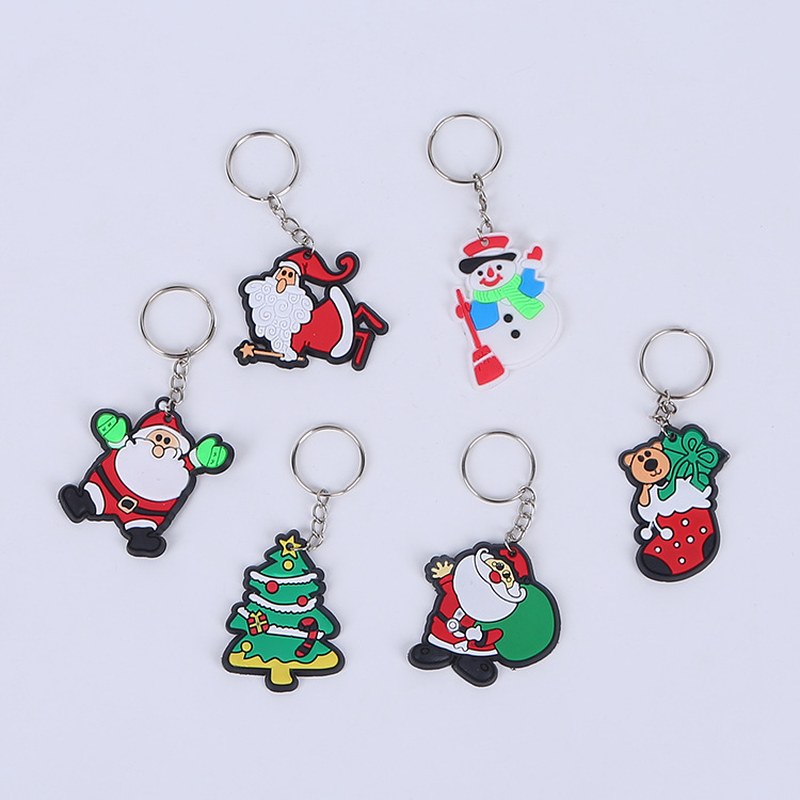
The hardware fails in a pocket, so test it against a defined method, not a subjective tug. Because keychain designs vary, treat the attachment test as a buyer-agreed product specification rather than a universal standard, and define the fixture, the applied load, the direction, the hold duration, the sample quantity, the pass or fail threshold, and the failure mode you will accept. Confirm that split rings close flush with no gap, that clasps return cleanly, and that plating is even with no rust or flaking. A charm that separates from its ring is a defect, however good it looks.
Reliable custom keychain quality control defines attachment testing before the factory starts mass production.
7. Check Packaging, Labels, and Carton Data
Packaging is part of the product. Confirm the approved pack-out for each unit, whether a polybag, a printed backing card, or a gift box, and verify any barcode or label is correct and correctly placed. Check the carton count, the carton marks, and the gross and net weight against the packing specification, and confirm the protection suits the transit method, with drop or compression checks where the order calls for them. Keep photo evidence of the packed goods.
8. Final Inspection Using the Agreed Sampling Plan
Finish with a final inspection based on an acceptance-sampling plan, not a full count. The recognized method is ISO 2859-1:2026, where you and the factory agree the standard and edition, the lot definition, the inspection level, the inspection severity (normal, tightened, or reduced), the defect classes, and the AQL values. The plan then gives a sample size and the accept and reject numbers for the lot.
As an illustration only, a lot of 3,000 pieces at a common general inspection level and a chosen AQL yields a sample size and an accept or reject number taken from the standard's tables. Confirm the exact figures from your agreed plan rather than a generic rule, because AQL controls the inspection risk, it does not guarantee that every piece is perfect. Our production and ordering guide shows where final inspection sits in the workflow.
Final custom keychain quality control combines the agreed sampling plan with complete inspection evidence.
Defect Classes for Keychains
Agree the defect list with the factory before production, and classify by severity:
Critical defects
a sharp edge or point that could injure a user, or a failure of a mandatory safety or substance requirement.
Major defects
a detached or weak ring, wrong artwork, a severe color mismatch, a missing part, or an unreadable barcode.
Minor defects
a small cosmetic mark outside the agreed viewing zone, or a slight trim mark within the agreed limit.
Different constructions fail differently, so the exact list shifts between soft PVC, die-cast metal, stamped metal, enamel, and printed pieces. Confirm the examples that apply to your product.
What a Keychain Inspection Report Should Include
A useful report ties the result to your order. Look for the purchase order and SKU, the lot size, the drawing revision, the golden-sample ID, the sampling plan and AQL, the defects found by class, the measurements taken, the photos, the inspector and date, and the final disposition. If a batch fails, the report should show the containment, the root cause, the corrective action, and the reinspection before release.
QC Terms to Put in Your Purchase Order
Write the standard into the order so it is enforceable, not assumed. Include the approved sample ID and drawing revision, the color and dimensional tolerances, the defect classes and AQL plan, the attachment-test method and threshold, the packaging and label spec, the inspection level and who inspects, the evidence required, and who authorizes final release. As the buyer, you supply the intended-use and market information, the controlled artwork, and timely approvals; the factory produces and inspects against that agreed standard.
Request a Factory Review and Quotation
Send your target market, intended user and age, material and process, size, quantity, artwork, attachment, packaging, required tests or documents, delivery country and date, and inspection terms, and we return a specification and a QC plan for your order. After you submit, we review manufacturability, confirm the quote assumptions, prepare a proof, approve a sample, then produce and inspect against your standard before shipment. We keep your artwork and details confidential. Start your enquiry, or browse our custom keychains to shortlist a design first.
Request a Factory QC Review
Our custom keychain quality control review covers artwork, quantity, material, attachment, packaging, destination, deadline, and inspection terms. We will prepare a practical specification, quotation, sample plan, and quality-control workflow.