A custom metal keychains bulk order becomes much easier to budget when you separate three numbers: the minimum order quantity, the one-time mold fee, and the production lead time. Each one responds to your design, material, finish, quantity, packaging, and approval speed. This guide explains what the planning figures mean, what changes them, and how to request a quote that you can compare line by line.
Quick answer: Plan from about 300 pieces per design, a one-time mold fee of roughly $50 to $300, and a sample approval stage before mass production. Production commonly takes around 7-10 days after approval, while shipping is separate. These are planning ranges rather than a binding quotation; send your artwork, quantity, destination, and deadline for figures matched to your product.
Custom Metal Keychains Bulk Order Cost at a Glance
Use the following ranges for early planning. Your final numbers should come from a written quotation based on approved specifications.
| Item | Typical planning range | What changes it |
|---|---|---|
| MOQ per design | From about 300 pieces; better pricing often appears past 1,000 | Material, shape, finish, and whether tooling can be shared |
| Mold fee | About $50 to $300 as a one-time charge | 2D or 3D shape, size, relief depth, and fine detail |
| Unit price | Quoted by quantity tier | Quantity, metal, plating, enamel, hardware, and packaging |
| Production lead time | Commonly around 7-10 days after approval | Tooling, finish, quantity, approval speed, and factory schedule |
| Shipping | Quoted separately | Destination, method, carton data, and delivery term |
Which Material and Process Fits Your Design?
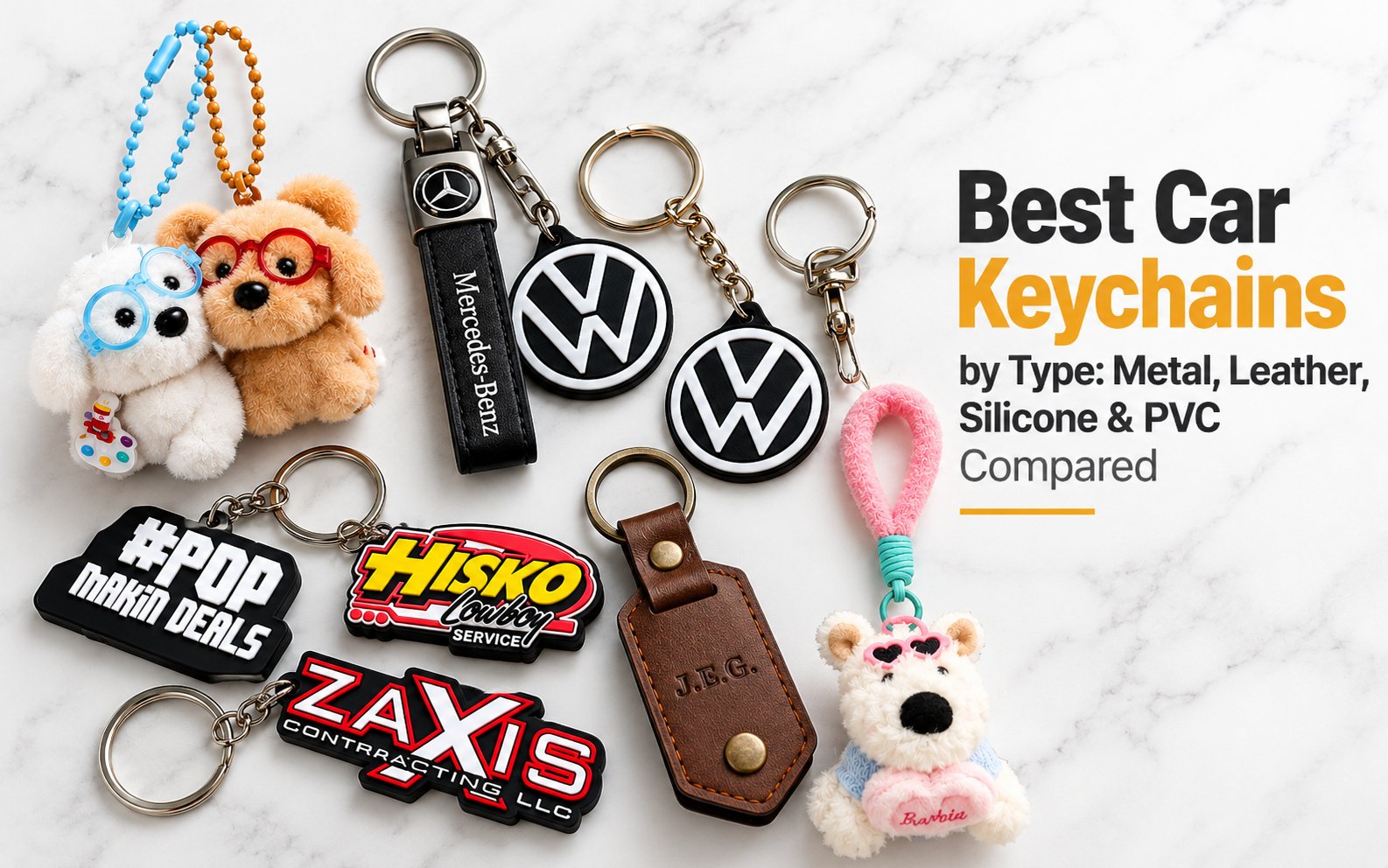
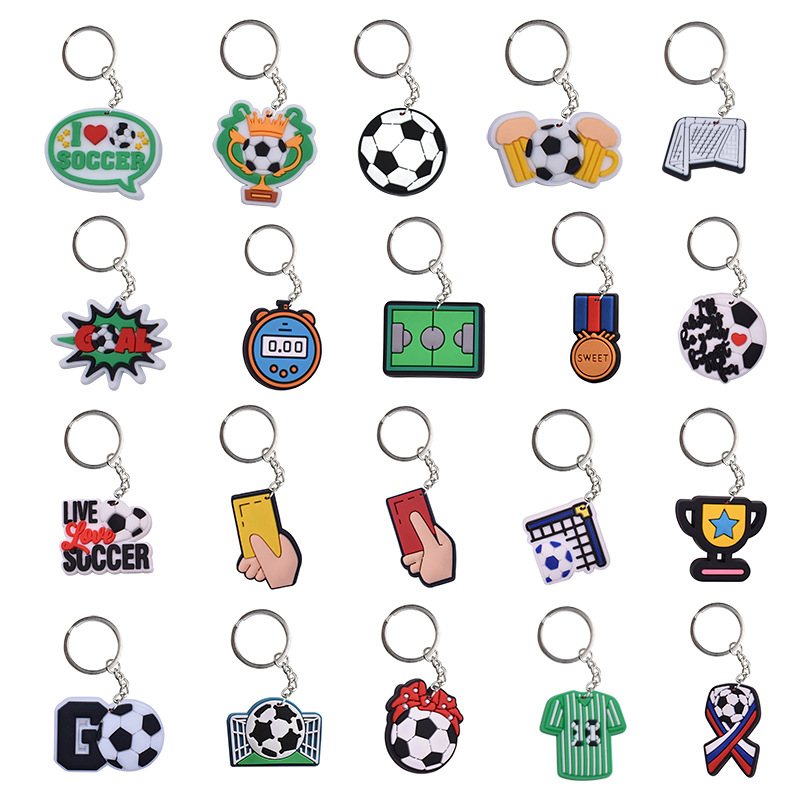
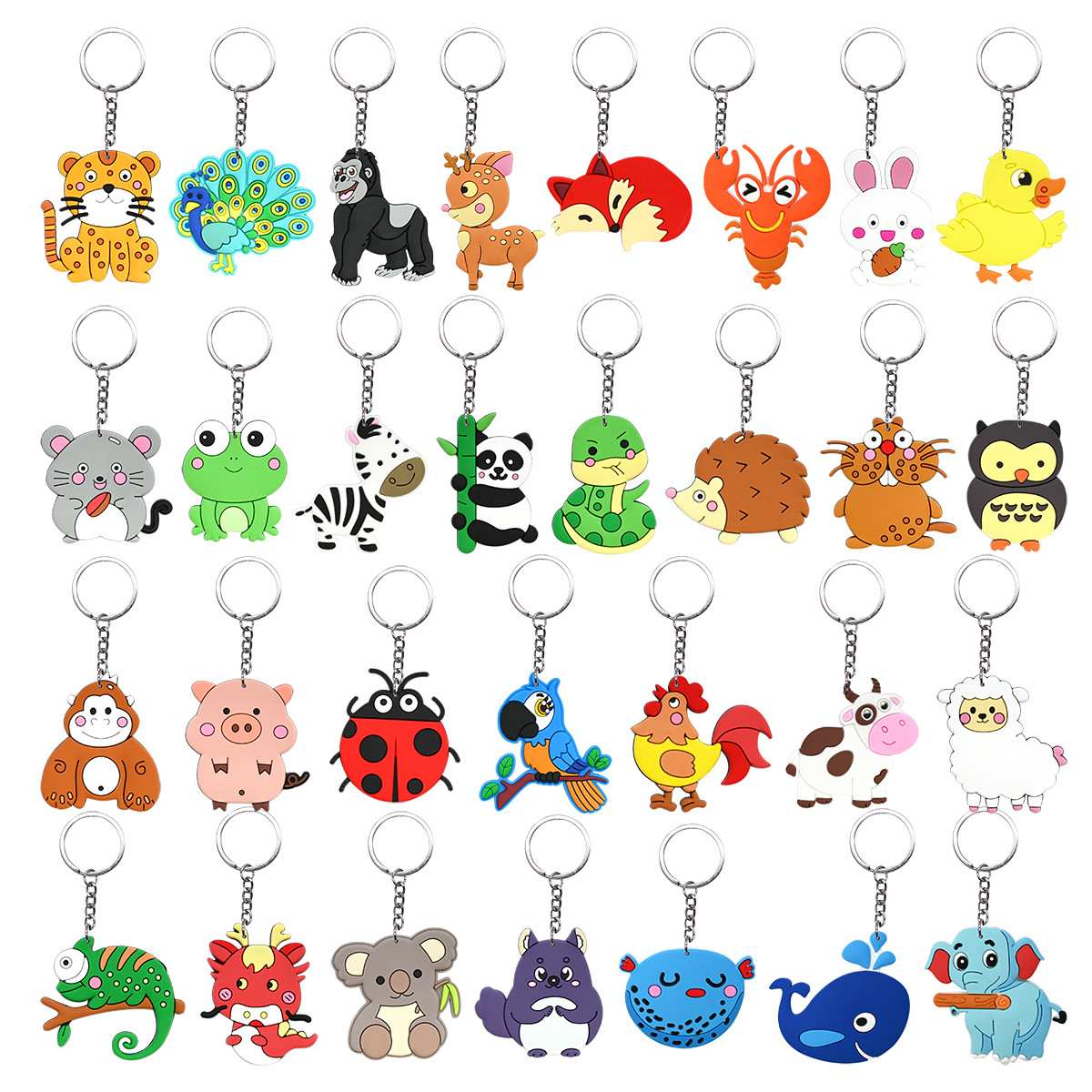
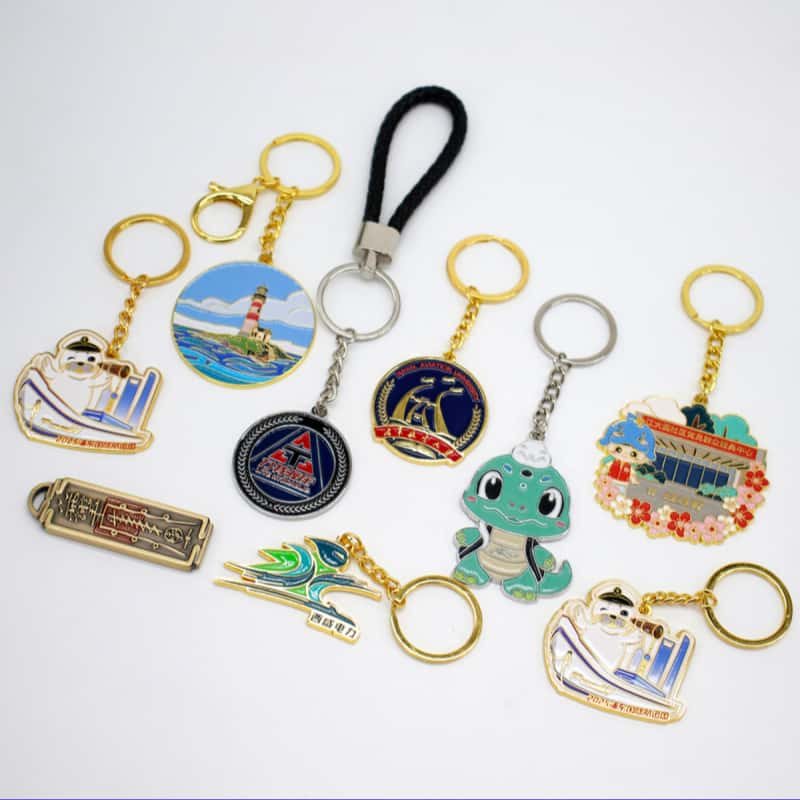
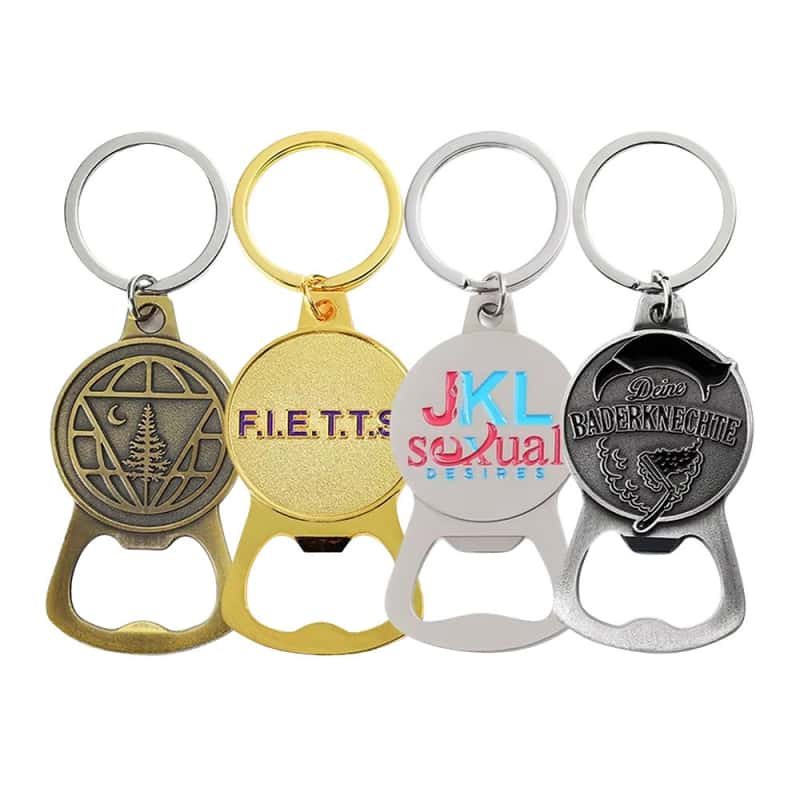
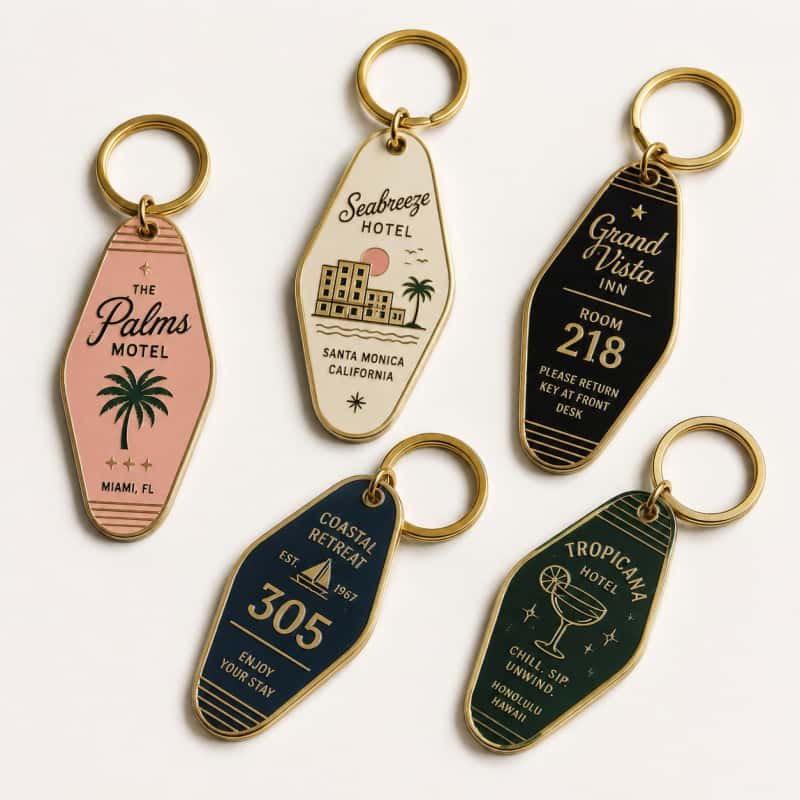
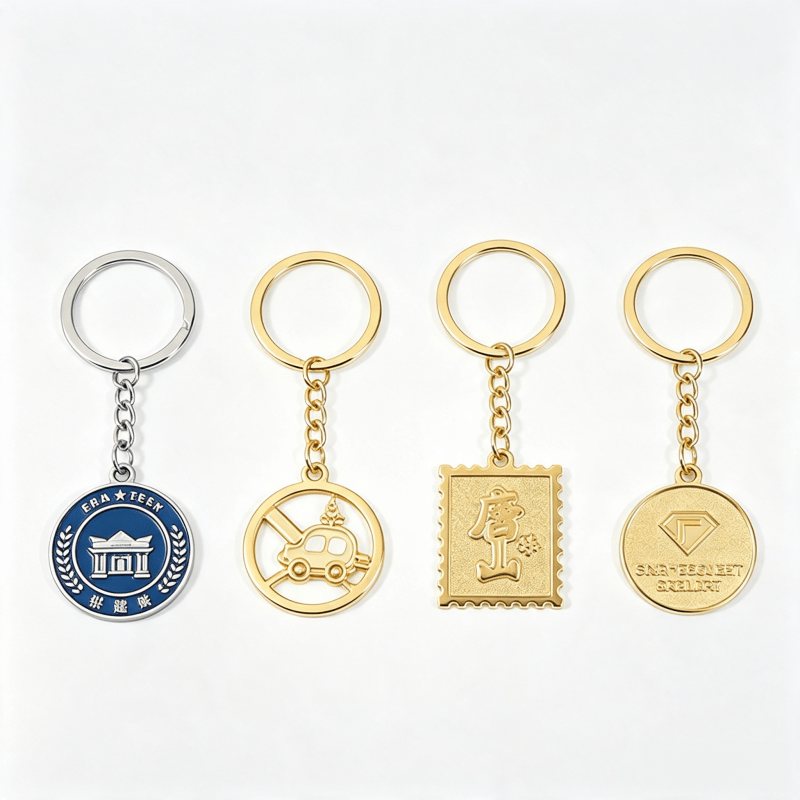
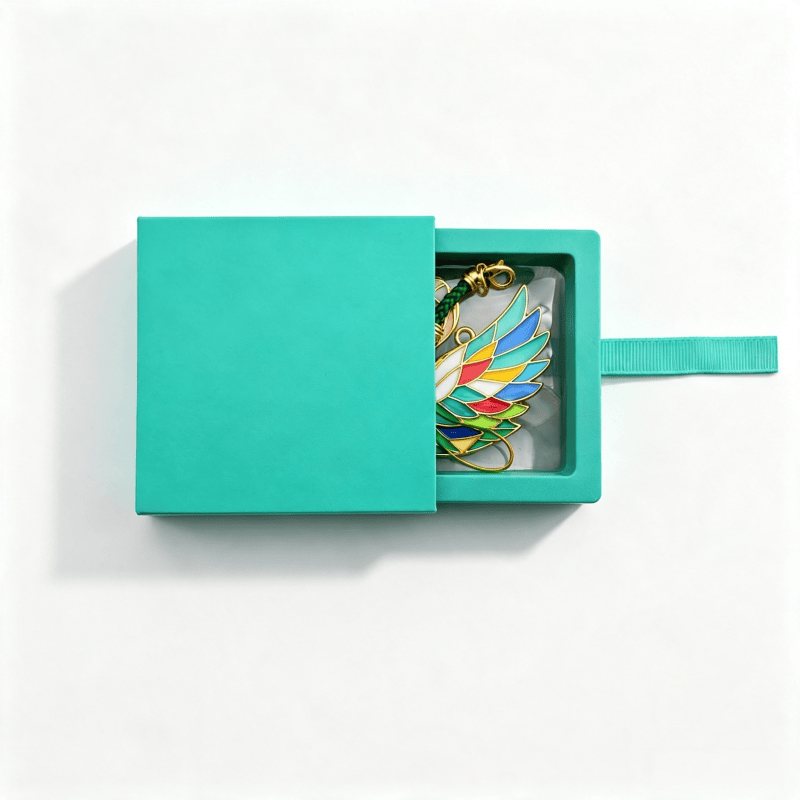
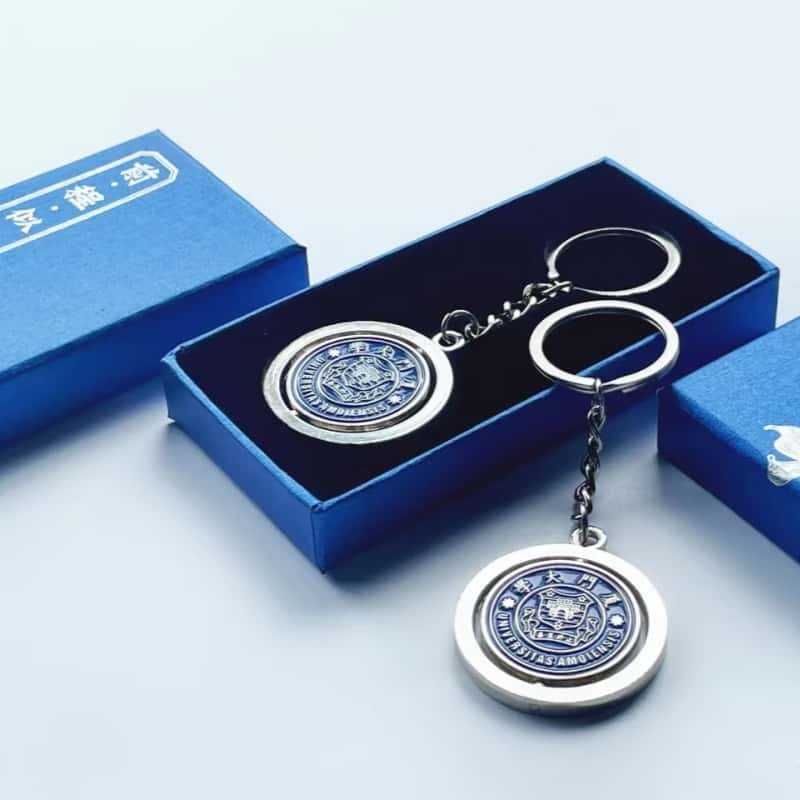
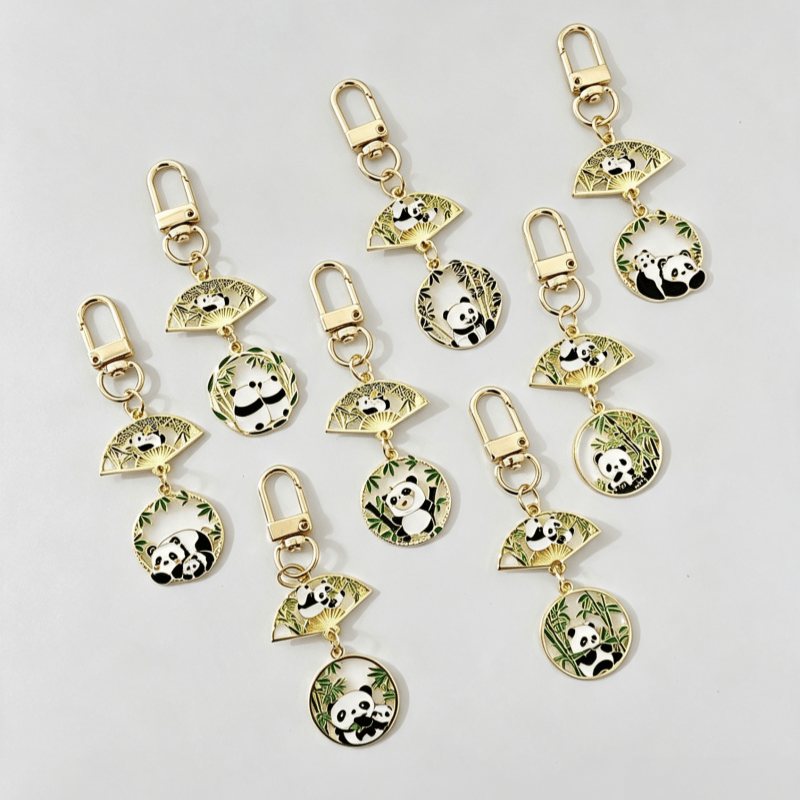
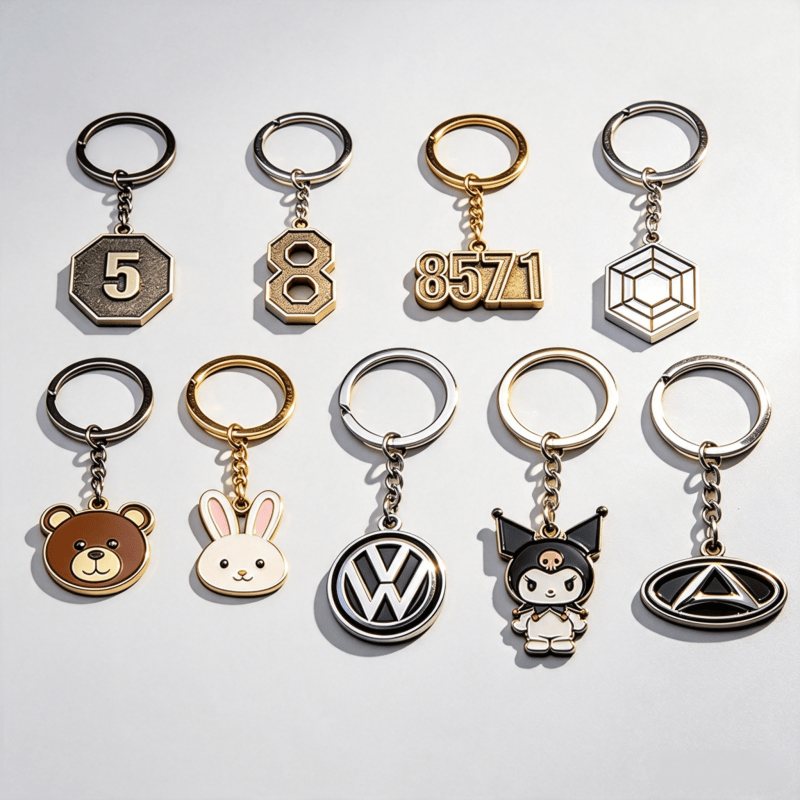
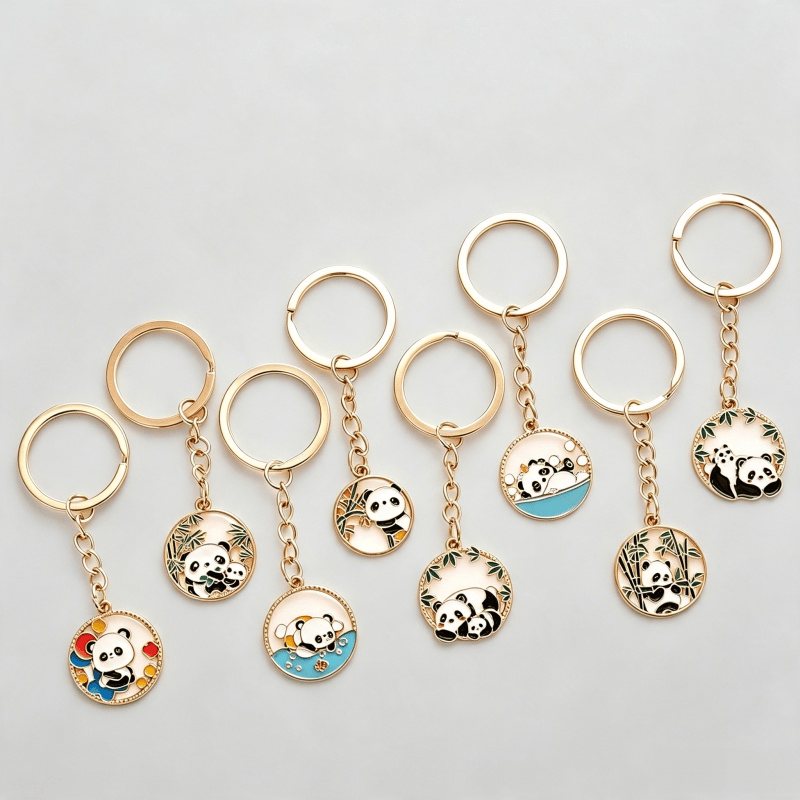
Choose the manufacturing route before you compare prices. The metal and process determine the mold, the level of detail, the finish options, and the production time. You can review finished examples on our custom metal keychains page or compare PVC, silicone, and metal keychains before you finalize the specification.
Zinc alloy die casting
Zinc alloy is a practical route for custom shapes, dimensional relief, recessed areas, and detailed branding. It supports 2D or 3D tooling and a wide range of plating and enamel combinations.
Iron stamping
Iron works well for flatter, simpler shapes. The tooling can be more economical when the outline and relief remain straightforward, making it useful for price-sensitive promotional orders.
Stainless steel
Stainless steel suits clean stamped or laser-cut designs where corrosion resistance matters. Very deep relief or sculpted forms may be better suited to die-cast zinc alloy.
| Material | Typical process | Best suited to |
|---|---|---|
| Zinc alloy | Die casting | Complex shapes, recessed areas, and 3D relief |
| Iron | Stamping | Flat, simpler shapes and economical promotional designs |
| Stainless steel | Stamping or laser cutting | Clean profiles and improved corrosion resistance |
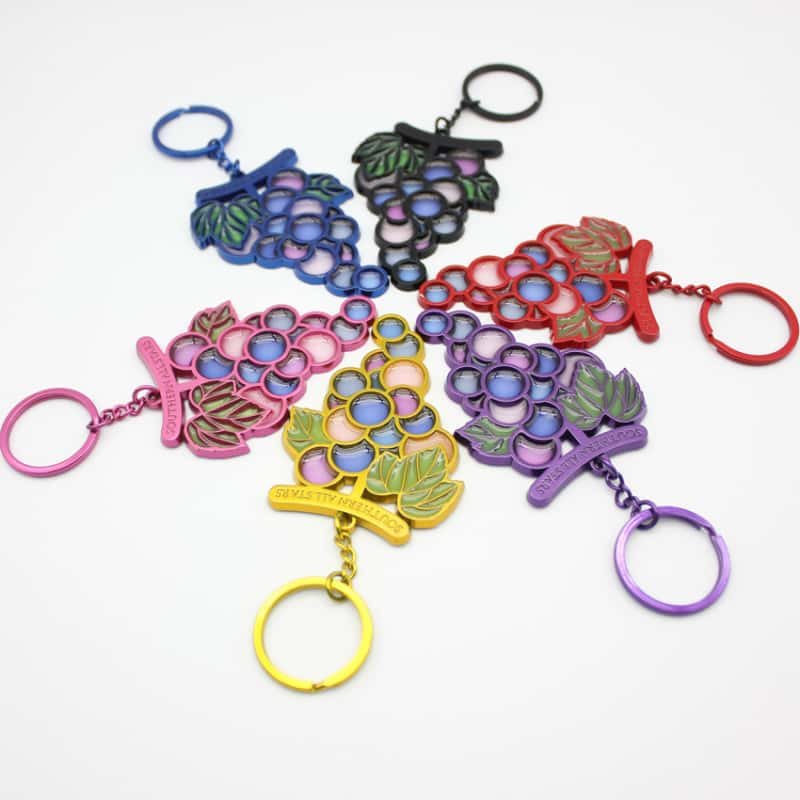
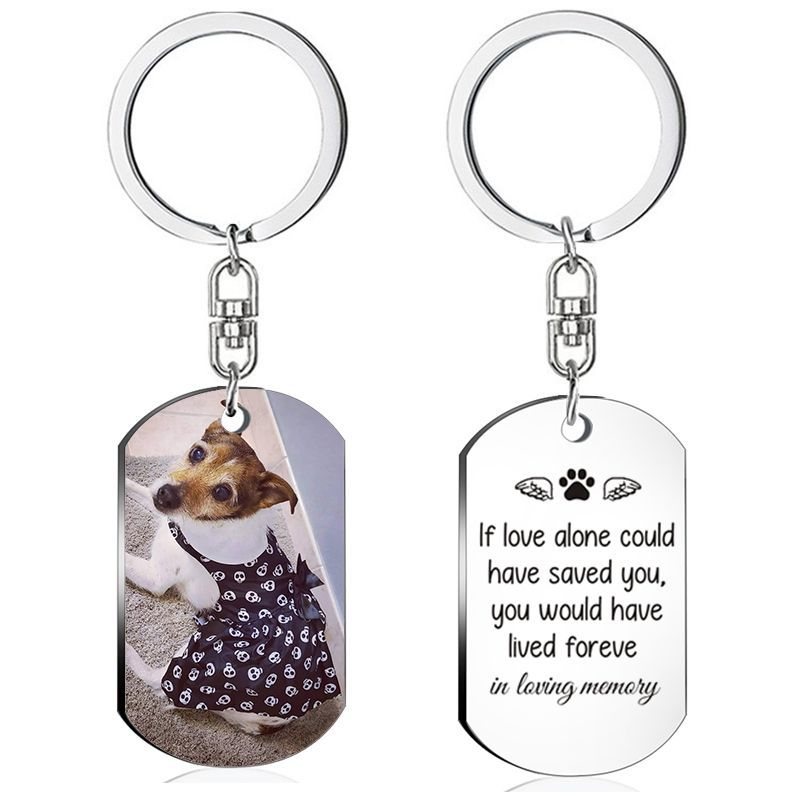
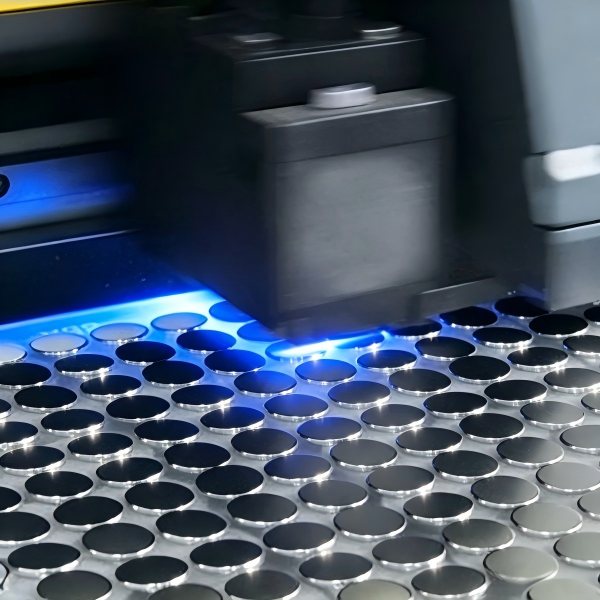
Next choose the finish: nickel, black nickel, antique, or gold-tone plating; soft enamel or imitation hard enamel; epoxy coating; or UV printing for gradients and photographic artwork. Every extra plating color, attachment, printing pass, or special pack can affect the quote.
What Is the MOQ for Custom Metal Keychains?
The MOQ is the smallest practical production quantity for one design. Tool cutting, plating setup, enamel preparation, line setup, and inspection happen whether you order 50 pieces or 5,000, so very small runs carry a high setup cost per piece. A planning starting point is around 300 pieces per design, with stronger unit pricing often available above 1,000 pieces.
Why the MOQ applies per design
A different mold, metal, size, finish, or colorway may require separate setup. Ten designs at 100 pieces each are not automatically priced like one design at 1,000 pieces. Ask the supplier which specifications can share tooling or production setup.
When a lower minimum may be possible
Simple stock shapes, a previously approved mold, standard hardware, or a repeat order may support a lower minimum. A fully custom die-cast shape, several plating colors, or labor-intensive finishing can push the practical minimum higher.
How Much Is the Mold Fee?
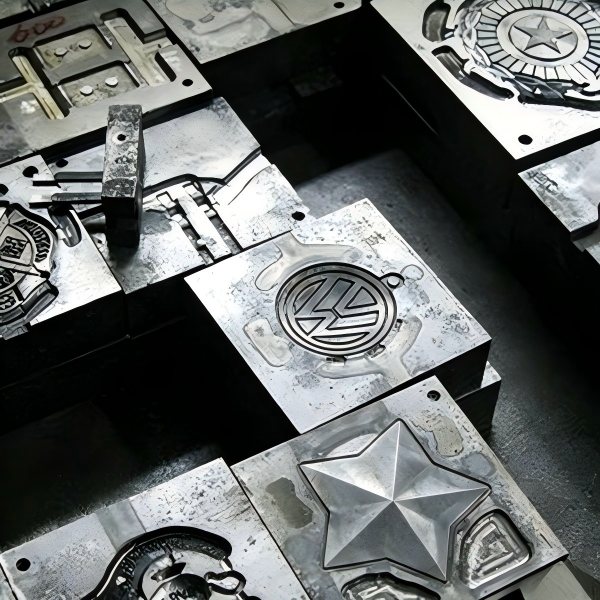
The mold fee pays for tooling created for your exact design. It is normally a one-time line item rather than a charge on every piece. A simple flat tool may sit near the lower end of a roughly $50 to $300 planning range, while a large, detailed, or sculpted 3D design costs more.
2D and 3D tooling
A 2D design uses raised and recessed levels with relatively simple geometry. A 3D design uses curved surfaces, sculpted relief, or multiple height transitions. More depth and fine detail require more tooling work and a more careful sample review.
Mold storage and repeat orders
Before payment, confirm mold ownership, storage duration, and the conditions for reuse. When the exact specification remains unchanged and the mold is still serviceable, a reorder can skip new tooling. Our custom keychain mold fee guide explains the production stages in more detail.
What Drives Unit Price at Volume?
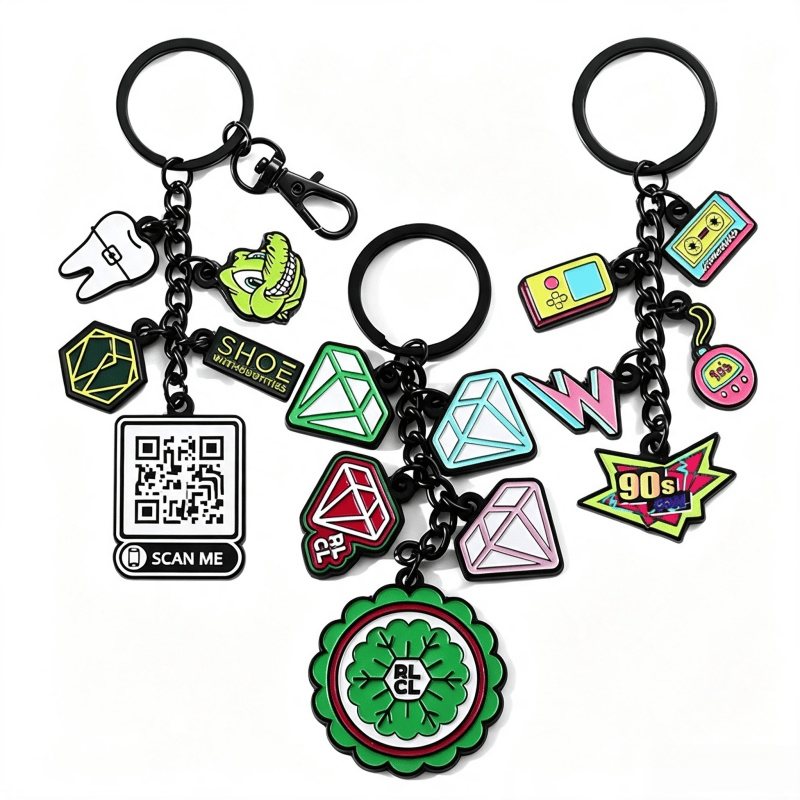
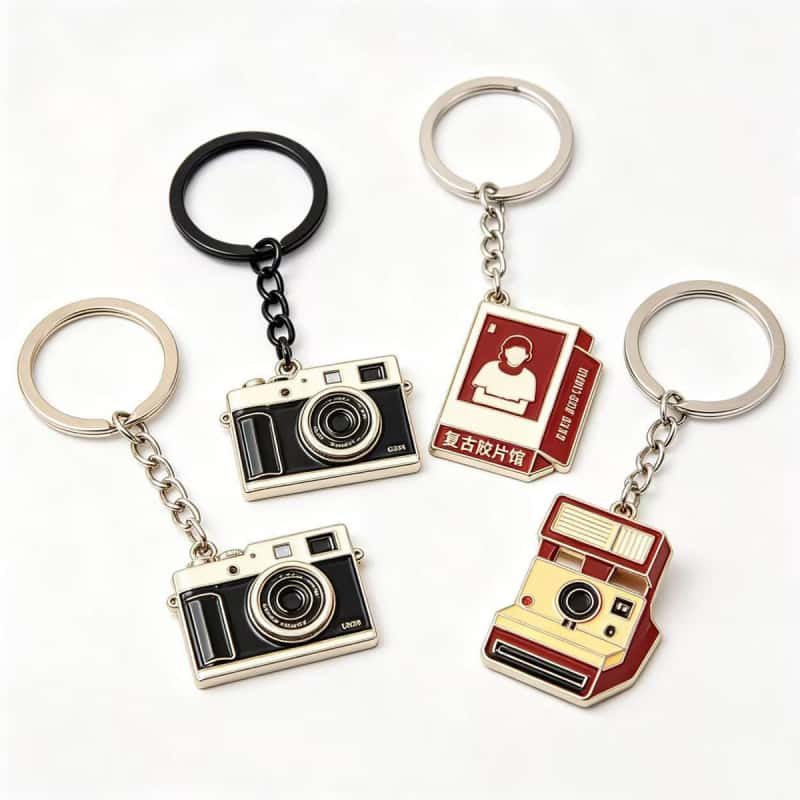
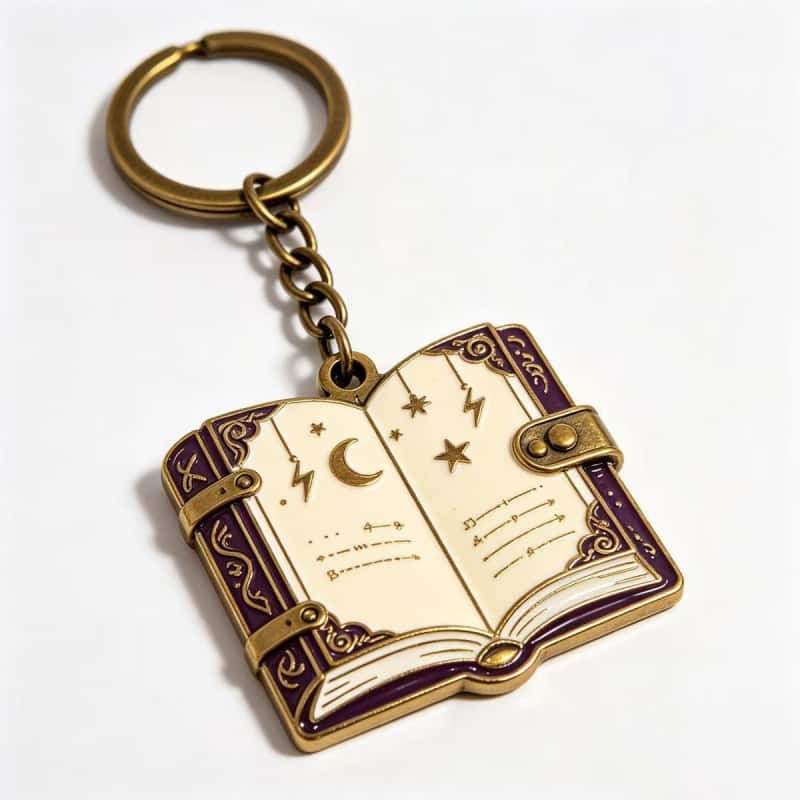
Quantity matters, but it is only one price driver. Metal, size, thickness, finish, enamel coverage, printing, attachments, packaging, testing, inspection, and freight all contribute to the landed cost. Compare quotes only after these specifications match.
How the mold fee spreads across quantity
The fixed tooling charge has less impact as quantity rises. The simplified examples below show the calculation; they are examples, not a quotation.
| Example quantity | Example unit price | Example mold fee | Effective cost per piece |
|---|---|---|---|
| 300 pieces | $0.90 | $200 | About $1.57 before freight and other charges |
| 1,000 pieces | $0.70 | $200 | About $0.90 before freight and other charges |
Request quantity tiers such as 500, 1,000, and 3,000 pieces on the same brief. The comparison shows whether moving to the next tier saves enough per piece to justify holding extra inventory.
How Long Does a Bulk Metal Keychain Order Take?
Split lead time into approval, production, and shipping. Artwork review and sample approval come first. Mass production, finishing, assembly, inspection, and packing follow. Production commonly takes around 7-10 days after approval, depending on quantity, finish, factory loading, and whether a new mold is required.
| Stage | What happens | Your schedule responsibility |
|---|---|---|
| Artwork review | Dimensions, line detail, colors, finish, and hardware are confirmed | Return consolidated comments quickly |
| Tooling and sample | The mold is cut and a pre-production sample is made | Approve or request precise changes in writing |
| Mass production | Casting or stamping, plating, color filling, assembly, and curing | Avoid late specification changes |
| Inspection and packing | Appearance, dimensions, hardware, quantity, and packaging are checked | Approve the agreed inspection record |
| Shipping | Goods move under the quoted delivery method | Confirm consignee data and delivery deadline |
Shipping time sits on top of production. Keep the project on schedule by approving artwork and the physical sample promptly. Our in-house service overview shows how the major steps connect.
How Do You Lower Bulk Order Cost Without Cutting Quality?
- Compare the next quantity tier. A modest increase may unlock a better unit price and spread the mold fee farther.
- Simplify the finish. Reduce unnecessary plating colors, attachments, or printing passes while protecting the design’s essential details.
- Reuse a proven mold. Keep dimensions and geometry consistent across a repeat order or compatible product line.
- Standardize hardware and packaging. Common rings, chains, and packs reduce sourcing and setup complexity.
- Plan ahead. Avoid rush work, last-minute artwork changes, and peak-season scheduling pressure.
- Consolidate annual demand. One planned run can be more efficient than several small orders, provided the inventory risk is acceptable.
Do not remove inspection, sample approval, or specification control merely to reach a lower price. Those steps protect consistency and reduce the risk of an expensive remake.
What Should Your Quote Include?
A useful quote separates the commercial items instead of hiding everything inside one number.
| Quote line | What to confirm |
|---|---|
| Unit price | Quantity tier, currency, and included specification |
| Mold or tooling fee | One-time charge, ownership, storage, and reuse terms |
| Material and process | Zinc die casting, iron stamping, or stainless-steel route |
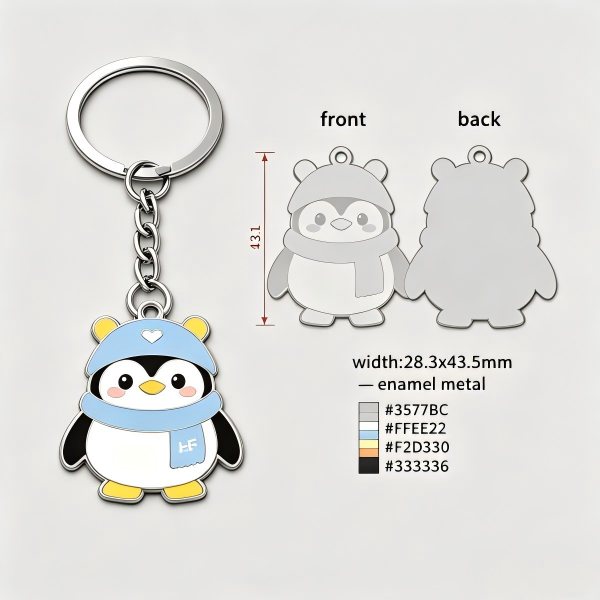
| Plating and color | Finish name, enamel type, Pantone references, epoxy, or printing |
| Attachment hardware | Ring, chain, clasp, cord, or other fitting |
| Packaging | Polybag, backing card, gift box, labels, and carton standard |
| Testing and inspection | Scope, responsible party, method, timing, and report format |
| Freight and delivery | Incoterm, destination, shipping method, and excluded charges |
| Payment and validity | Deposit, balance, quote expiry date, and exclusions |
Ask for two or three quantity tiers on the exact same specification. This lets you see where the price break sits and prevents a lower quote from winning only because it excludes packaging, inspection, or freight.
What About Compliance for Your Market?
Compliance depends on the destination, intended user, age grade, materials, coatings, attachments, and sales channel. Tell the factory where the goods will sell and whether the design or marketing targets children. The importer or brand remains responsible for confirming the applicable requirements, while the factory and laboratory support the product-specific evidence.
Before testing, match the final design, plating, color, hardware, and packaging to the test plan. Use our custom keychain compliance documents checklist to assign ownership, and review the bulk keychain quality control checklist before shipment.
Production and Quality Control Checkpoints
Tooling and first sample
Compare the tool and sample with the approved artwork. Check outline, relief, dimensions, holes, attachment points, and the areas assigned to enamel or printing.
Plating, enamel, and assembly
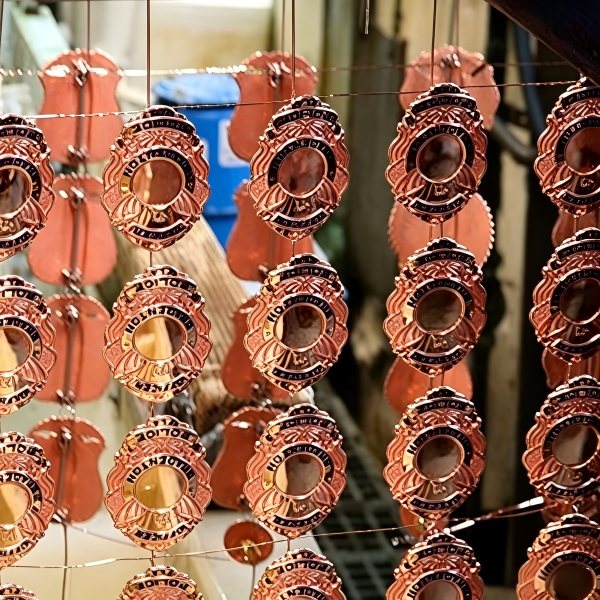
Confirm plating color, surface coverage, enamel fill, printing registration, curing, ring closure, chain length, and attachment strength. Approve any acceptable tolerance before mass production.
Final inspection and packaging
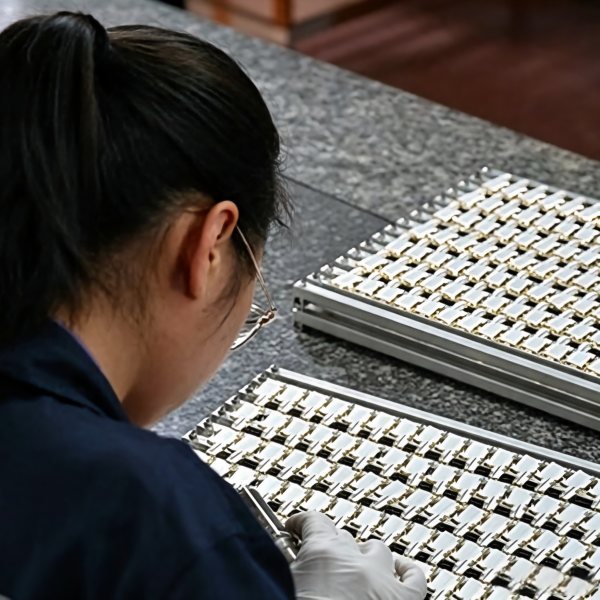
Inspect a representative sample for appearance, dimensions, function, quantity, packaging, labels, and carton markings. Record defects against the agreed acceptance criteria and keep dated batch photos.
What to Send for an Accurate Custom Metal Keychains Bulk Order Quote
A complete brief reduces assumptions and shortens the quotation cycle. Send the following information in one message:
- Vector artwork: AI, PDF, EPS, or SVG files that preserve paths, dimensions, and fine detail.
- Finished size and thickness: Include the exact measurement method and any dimensional tolerance.
- Material and process: State zinc die cast, iron stamped, stainless steel, or ask for a recommendation based on the artwork.
- Plating and finish: Identify nickel, black nickel, antique, gold-tone, enamel type, epoxy, or UV printing.
- Colors: Provide Pantone references and label areas that remain metal.
- Attachment hardware: Define the split ring, chain, clasp, cord, or other fitting.
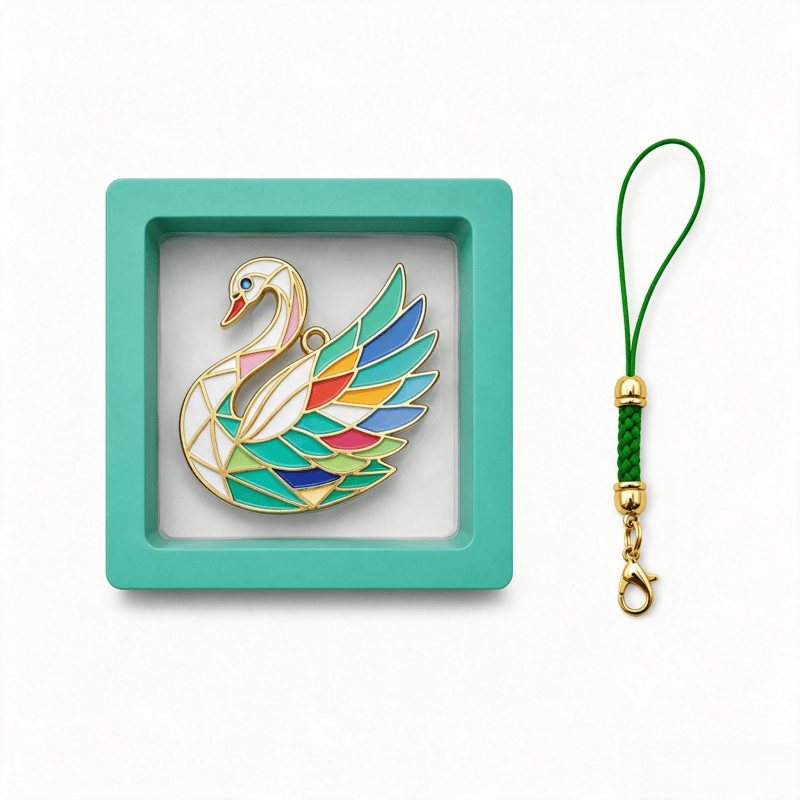
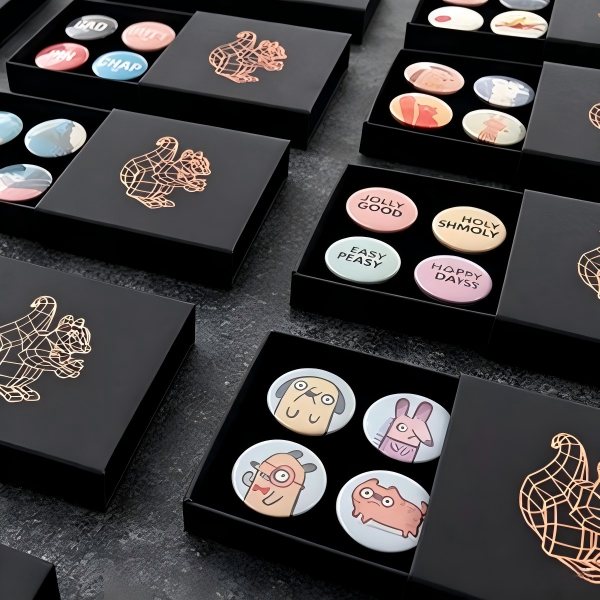
- Packaging: Choose a polybag, backing card, gift box, label, or retail-ready pack.
- Quantity tiers: Share the volumes you are comparing, such as 500, 1,000, and 3,000 pieces.
- Destination and deadline: State the country, postal code when available, delivery date, and preferred shipping method.
- Compliance and inspection: Describe the intended user, sales channel, required tests, inspection standard, and document format.
Browse our full range of custom keychains to shortlist a shape and finish. Then send one approved brief so every quoted quantity uses the same specification.
Custom Metal Keychains Bulk Order FAQs
What is the minimum order for custom metal keychains?
A common planning starting point is around 300 pieces per design, with better unit pricing often available above 1,000 pieces. The exact MOQ depends on the shape, material, finish, and whether existing tooling can be reused.
Is the metal keychain mold fee a one-time cost?
The mold fee is normally a one-time tooling charge for the approved design. Confirm mold ownership, storage duration, reuse terms, and whether a changed size or relief requires new tooling.
Why do metal keychains cost more than PVC keychains?
Metal keychains can require die casting or stamping, plating, enamel filling, polishing, assembly, and more complex tooling. Quantity and a simpler finish can reduce the gap.
How long does a bulk metal keychain order take?
Production commonly takes around 7-10 days after artwork and sample approval, depending on tooling, finish, quantity, and factory loading. Sampling and shipping should be scheduled separately.
How can I lower the cost of a bulk metal keychain order?
Compare quantity tiers, simplify unnecessary finishing, standardize hardware and packaging, reuse a proven mold, consolidate demand, and approve artwork and samples quickly enough to avoid rush work.
Ready to Price Your Bulk Metal Keychain Order?
Send your artwork, quantity tiers, material, finish, packaging, destination, and deadline. We will confirm the MOQ, mold fee, unit-price tiers, sample plan, production stages, and shipping options for your exact specification.