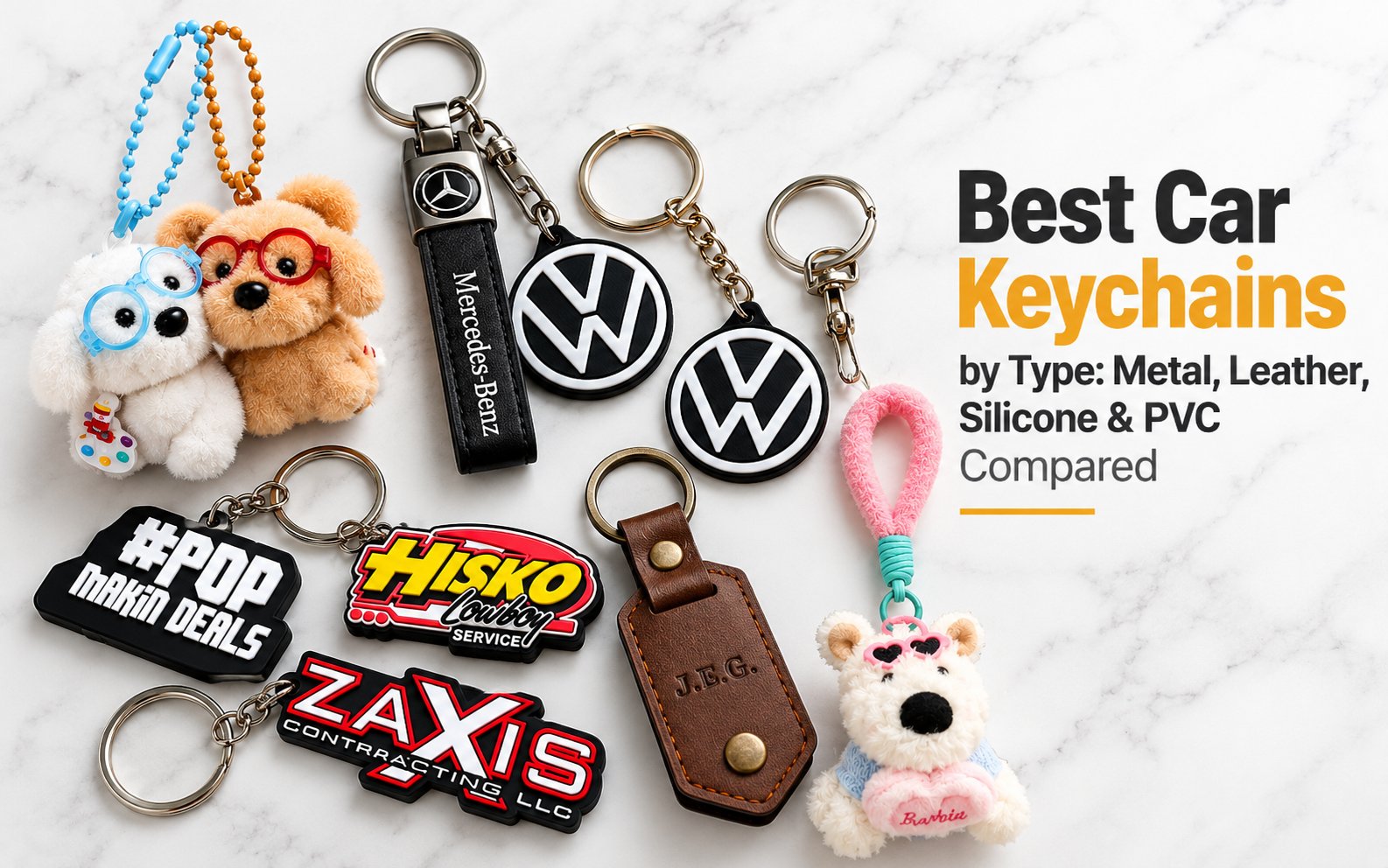
PVC vs silicone vs metal keychains differ in cost, feel, design freedom, durability, tooling, and lead time. For wholesale buyers, soft PVC is usually best for colorful molded shapes and fine 2D or 3D detail; silicone suits soft, elastic, or functional designs; and metal delivers the most rigid, premium finish. The right choice depends on artwork, quantity, target price, destination, and approval standard鈥攏ot only the lowest unit price.
This guide focuses on material selection for wholesale and promotional orders. Final MOQ, tooling, sample timing, unit price, testing, and freight are confirmed only after the supplier reviews the approved artwork and order specification.
Table of Contents
Quick Decision Matrix
| Requirement | Soft PVC | Silicone | Metal |
|---|---|---|---|
| Best visual style | Bright molded color; custom 2D/3D shapes | Simple, soft-touch or functional forms | Premium emblems, engraving, enamel, and plating |
| Fine detail | Strong for molded layers and shaped outlines | Better for bold, simplified geometry | Strong for cast or stamped linework; printing handles gradients |
| Feel | Flexible but shape-stable | Soft, elastic, springy | Rigid, cool, and weighty |
| Typical position | Promotional and merchandise value | Functional or tactile specialty product | Premium corporate gift or collectible |
| Outdoor/heat | Performance depends on formulation and exposure | Often better for heat and UV aging, subject to formulation | Depends on base metal, plating, coating, and use |
| Main risk | Color zones, thin parts, and surface trimming | Over-simplified detail or higher setup needs | Weight, finish wear, corrosion, and higher landed cost |
What Each Material Is Best At
Soft PVC
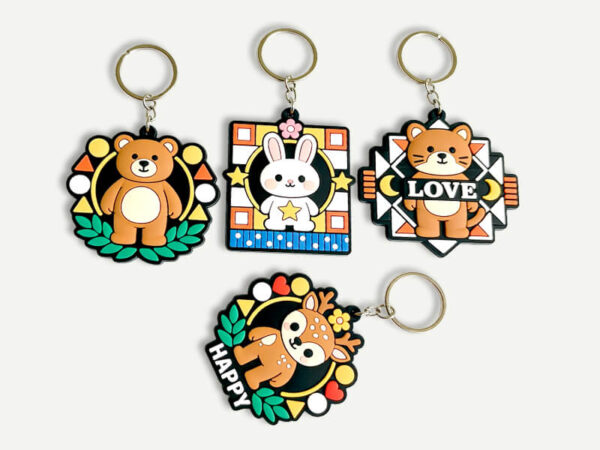
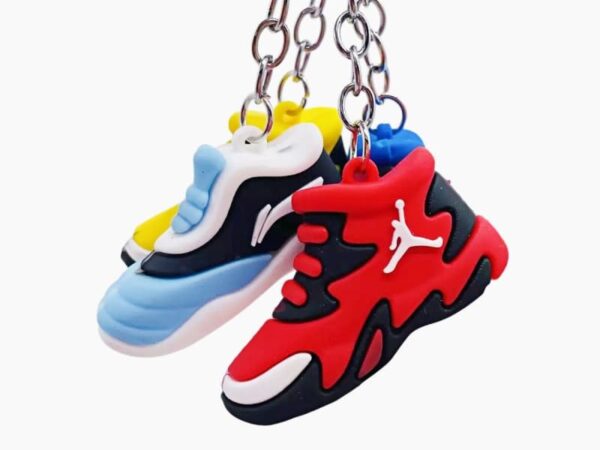
Soft PVC suits logos, mascots, characters, shoe miniatures, souvenirs, and promotional designs that rely on several solid colors or an irregular silhouette. It can support both flat 2D layouts and sculpted 3D relief. It is often selected when visual customization and volume value matter more than a premium rigid feel.
Silicone
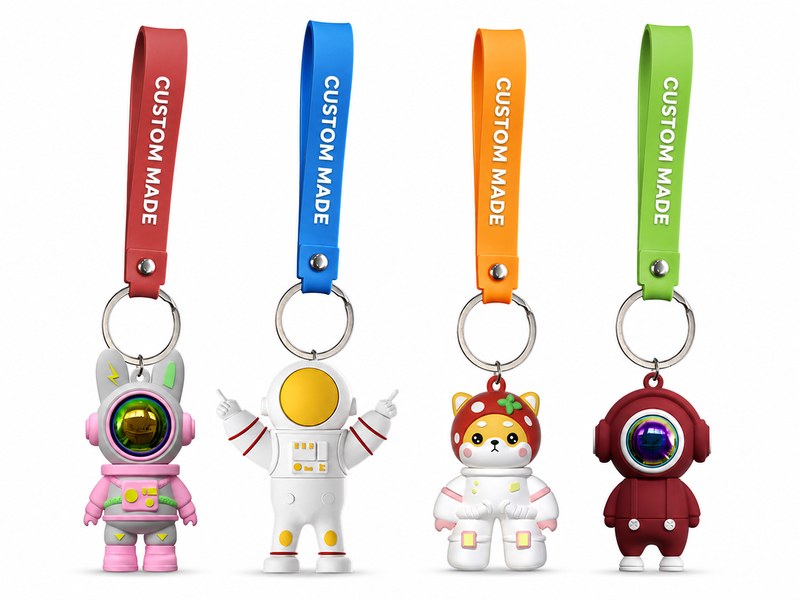
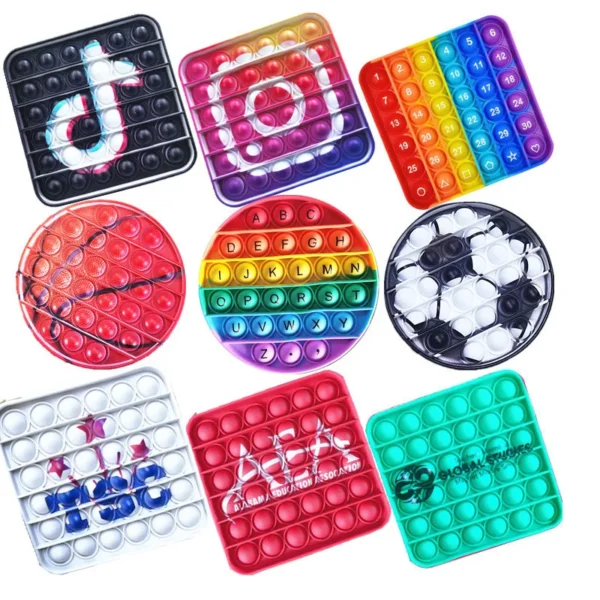
Silicone suits soft-touch straps, wristbands, simple molded forms, and functional bubble or fidget designs. It normally favors bolder geometry and fewer fine color zones than PVC. Select it when elasticity, recovery, low odor, or heat performance is important, then verify the exact formulation on a physical sample.
Metal
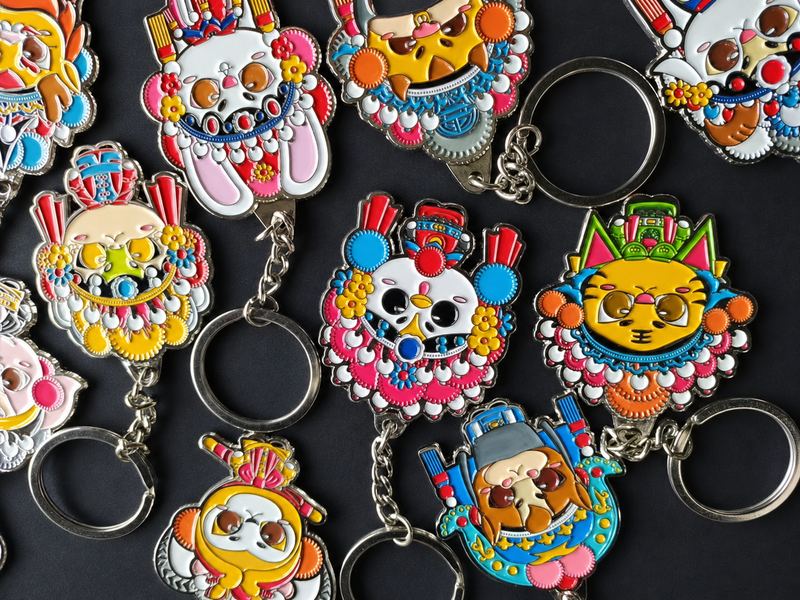
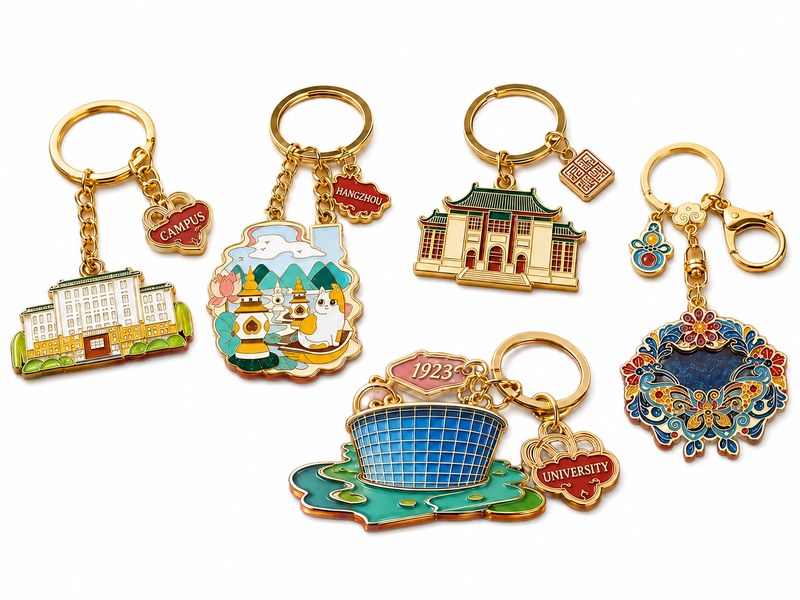
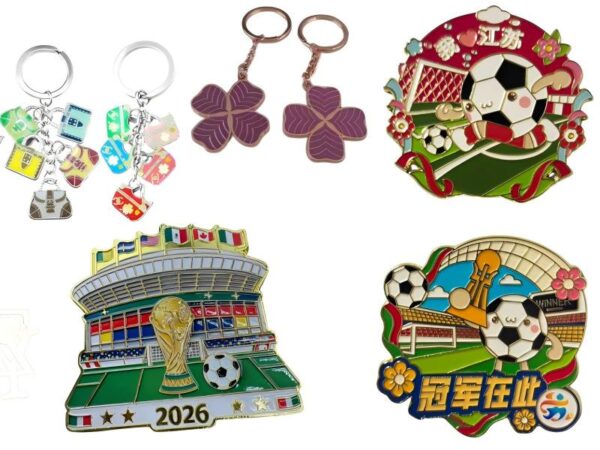
Zinc alloy, iron, brass, and stainless-steel routes can create a rigid, weighty keychain with die casting, stamping, engraving, plating, enamel, or printing. Metal fits corporate gifts, clubs, awards, retail emblems, and designs where perceived value and surface finish justify the additional weight and finishing steps.
If textile feel and woven lettering are more important than molding, compare the fabric keychain range as a separate alternative rather than treating it as a fourth version of the same product.
Which Material Fits the Use Case?
| Use case | Recommended starting point | Why | What to confirm |
|---|---|---|---|
| High-volume event giveaway | 2D soft PVC | Colorful, lightweight, and easy to distribute | Landed cost, colorfastness, packaging, and deadline |
| Mascot or character merchandise | 3D soft PVC | Depth and custom silhouette support recognition | Small features, render, sample, and IP approvals |
| Fidget or bubble function | Silicone | Elastic recovery supports the mechanism | Function cycle, hardness, formulation, and age grading |
| Corporate or executive gift | Metal | Weight, plating, and enamel create a premium impression | Finish durability, packaging, and freight |
| Outdoor promotional item | Silicone or qualified PVC/metal build | Performance depends on the final formulation or finish | UV, heat, corrosion, and use-condition testing |
Cost, MOQ, Tooling, and Lead Time
Do not compare materials using unit price alone. Compare landed cost at the same quantity and specification, including tooling, sample charges, color or finish charges, hardware, packaging, inspection or testing, freight, duty, tax, and any destination fees. A lower unit price can be offset by heavier freight, a higher minimum, more complex packaging, or a longer approval cycle.
Custom molded or cast shapes normally require tooling, while stock shapes, printing-only routes, or some textile constructions may not. MOQ and timing vary with the material, factory setup, design complexity, capacity, holidays, and order terms. Request an itemized quotation at two or three quantities and ask for a milestone schedule covering artwork, tooling, sample approval, production, inspection, packing, and shipment.
Use the custom keychain MOQ guide and custom mold fee guide for planning, then use the written quote as the commercial commitment.
Design Detail and Color Approval
- PVC: confirm minimum line width, color-zone size, relief levels, trim quality, and whether gradients require printing.
- Silicone: simplify fine text and small color areas; confirm hardness, elasticity, surface texture, and any functional movement.
- Metal: confirm base metal, manufacturing process, plating, enamel type, engraving, texture, and whether detailed artwork needs printing.
- All materials: use a specific Pantone reference as the target, then approve the physical sample under agreed lighting and tolerance.
A digital proof confirms layout and artwork revision; it does not prove the final material color, feel, weight, gloss, flexibility, plating, or surface quality. Keep the approved physical sample as the production reference.

Durability and Outdoor Use
No material is automatically the most durable in every condition. Silicone often performs better than soft PVC in comparable heat and outdoor-aging conditions, but formulation matters. Metal can resist everyday wear well, but corrosion and finish wear depend on the base metal, plating, coating, environment, and contact with moisture or chemicals. PVC is flexible and water-resistant in everyday use, yet pigment and formulation affect odor, UV aging, and color retention.
For an outdoor or high-use program, state the expected temperature, sunlight, moisture, abrasion, chemical contact, and service life. Agree a test or acceptance method for the final production configuration rather than relying on a generic material claim.
Quality Control Should Match the Material
- PVC: shape, relief, color boundaries, surface trimming, deformation, attachment, and packaging.
- Silicone: hardness, elasticity, rebound or function, surface marks, odor expectation, color, and attachment.
- Metal: dimensions, casting or stamping detail, plating, enamel fill, scratches, sharp edges, corrosion, hardware, and packaging.
- Every order: approved artwork and sample IDs, quantity, labels, carton data, sampling plan, defect classes, and release decision.
Compliance Depends on Intended Use and Destination
Material choice alone does not prove compliance. Confirm the destination, intended user and age group, marketing claims, materials and coatings, detachable parts, packaging, and sales channel before testing is ordered. A keychain is not automatically a toy, food-contact product, or children’s product; classification depends on how the final item is designed, presented, and sold.
Any declaration or test report must match the exact formulation, colors, hardware, coatings, finished construction, laboratory scope, and applicable market requirements. Do not rely on a generic ‘PVC certificate,’ ‘food-grade silicone’ claim, or unrelated metal report.
Confirm current requirements with primary authorities such as the US Consumer Product Safety Commission and the EU General Product Safety Regulation, then validate the final route with a qualified party for your market.
RFQ Checklist for a Comparable Quote
- Editable artwork or a high-resolution reference, including the approved revision.
- Finished dimensions, thickness, 2D or 3D construction, and required tolerance.
- Preferred material or the use case if you want the supplier to recommend one.
- Pantone references, color count, finish, texture, and any printing or plating.
- Attachment hardware, packaging, labeling, barcode, and carton requirements.
- Target quantity and two or three comparison quantities.
- Destination, intended user or age group, sales channel, and compliance requirements.
- Required delivery date, freight term, and any inspection requirement.
PVC vs Silicone vs Metal Keychains: Final Recommendation
Start with soft PVC when the artwork and promotional value drive the decision. Start with silicone when flexibility or function is essential. Start with metal when premium presentation and rigid finish justify the landed cost. If two materials appear viable, request the same artwork to be reviewed in both constructions and compare the itemized quote, sample, weight, packaging, and acceptance criteria side by side.
Send your artwork, quantity, intended use, destination, and deadline for a material and manufacturability review. Request a comparison quote or browse the custom keychain range before finalizing the specification.
Frequently Asked Questions
How should buyers compare PVC vs silicone vs metal keychains?
Compare the same artwork, dimensions, quantity, hardware, packaging, testing, and delivery terms. Then review landed cost, sample quality, weight, flexibility, finish, approval tolerance, and lead time side by side instead of comparing unit prices from different specifications.
Which material is best for promotional keychains?
Soft PVC is usually the strongest starting point for colorful, shaped, high-volume promotional designs. Silicone is better when flexibility or function matters, and metal is better when premium weight and finish matter. Confirm the choice against the final use and landed cost.
Which is usually cheaper: PVC, silicone, or metal?
PVC often provides the lowest entry point for colorful molded designs, but the final answer depends on quantity, size, tooling, color count, finish, hardware, packaging, testing, and freight. Compare itemized landed costs on the same specification.
Which material holds the finest logo detail?
PVC is strong for molded color blocks and shaped 2D or 3D detail; metal is strong for cast, stamped, engraved, enamel, or printed detail. Silicone generally favors bolder, simpler shapes. The artwork review should confirm the actual limits.
Is silicone always safer or more eco-friendly than PVC?
No. Safety and environmental claims depend on the exact formulation, additives, finished product, intended use, destination, and supporting evidence. Material name alone is not proof of compliance or environmental benefit.
Which material is most durable outdoors?
Silicone often has an advantage in heat and UV aging, while metal and PVC can also perform well with the right formulation or finish. Define the real exposure conditions and test the final construction rather than relying on a universal ranking.
Do I need a physical sample before a bulk order?
A physical sample is strongly recommended for a new custom construction. It confirms color, detail, feel, weight, flexibility, finish, hardware, and packaging that a digital proof cannot establish.