Choosing a custom metal keychain manufacturer for a bulk order means checking more than price. Your supplier controls tooling, material selection, plating, enamel, assembly, inspection, packing, and the evidence you need before shipment. Use this buyer checklist to compare factories on proof, not promises, and protect your artwork, launch date, and margin.
Quick answer: Score each supplier on nine areas: real production-site evidence, material and process capability, design-for-manufacture review, samples, itemized pricing, stage-by-stage lead time, documented quality control, export packing data, and product-specific compliance support. Request the evidence before tooling begins.
Custom Metal Keychain Manufacturer Supplier Scorecard
Give every supplier the same brief and ask for the evidence in the right-hand column. A manufacturer that can produce these records is easier to audit, compare, and manage through a bulk order.
| What to check | Evidence to request |
|---|---|
| Real production site | Dated mold-room and production video, factory address, and equipment list |
| Materials and processes | Process list and finished samples in your selected metal and finish |
| Sampling and DFM review | Marked digital proof and a physical pre-production sample |
| MOQ and pricing | Itemized quotation at two or three quantities on identical specifications |
| Quality control | Written inspection specification, defect definitions, and report format |
| Lead time | Stage-by-stage schedule with buyer approval points |
| Communication | Named project contact, escalation path, and reply-time expectation |
| Export and packing | Finished-product pack-out and carton specification |
| Compliance support | Testing and document options matched to the exact design and destination |
How Do You Confirm the Real Production Site?
Identify who actually makes the keychains before you compare price or lead time. Ask for the legal supplier name, physical factory address, and the company responsible for tooling, casting or stamping, plating, coloring, assembly, inspection, and packing. The quotation, bank information, factory evidence, and export documents should tell a consistent story.
Request current, traceable evidence
Ask for a dated video walkthrough showing the mold room, production equipment, in-process work, inspection area, and packaging station. A live video call is stronger than stock-style factory photos because you can ask the contact to show a specific machine, order board, or sample while you watch.
Document outsourced steps
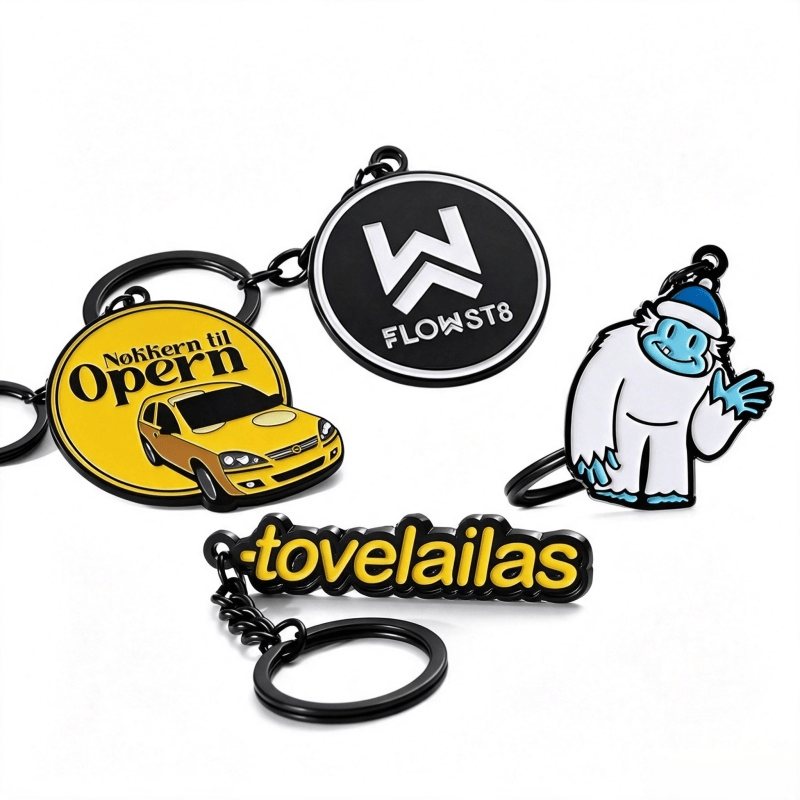
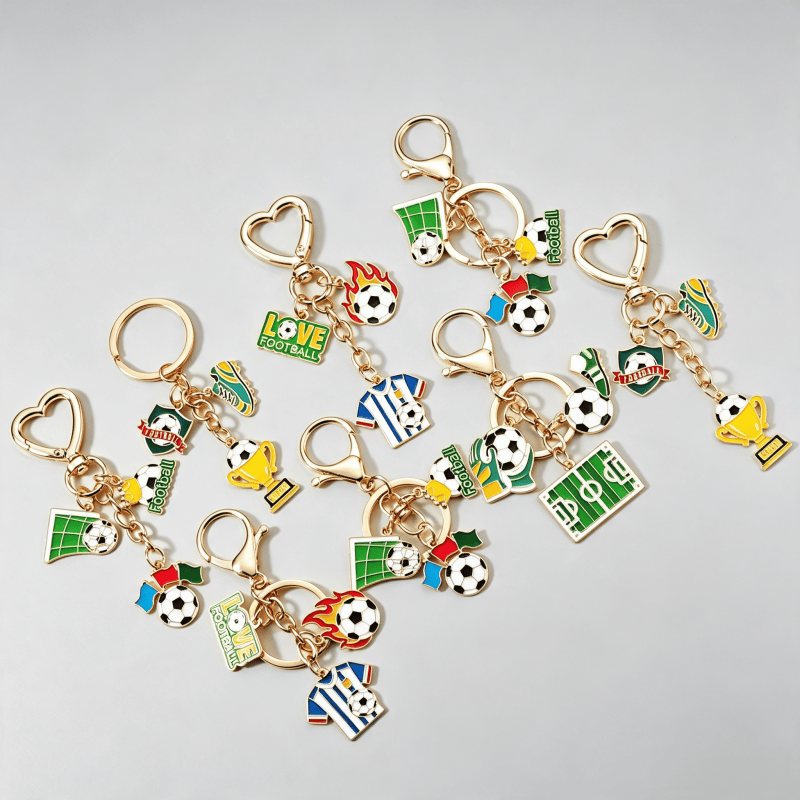
Outsourcing is not automatically a problem, but it must be visible. Ask which processes leave the site, who approves the subcontractor, how materials and batches remain traceable, and who owns corrective action. Review our custom metal keychains and in-house service process to compare the scope of work.
What Materials and Processes Should the Factory Offer?
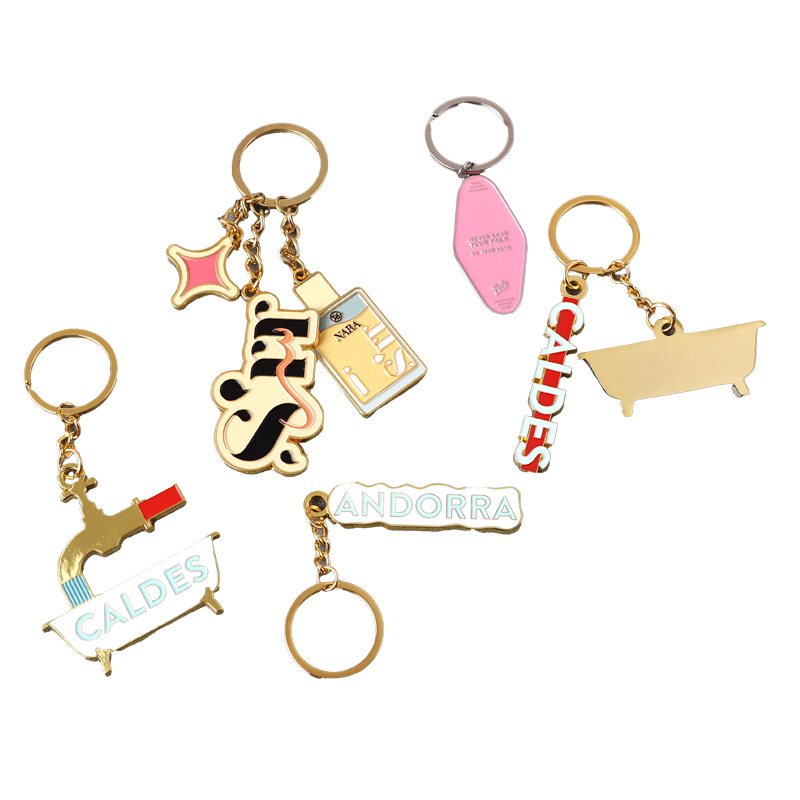
Match the manufacturing route to the artwork, then verify that the factory can actually run it. A long capability list is less useful than a finished sample made with the metal, relief, plating, coloring, and hardware you intend to order.
| Material | Typical process | Best suited to |
|---|---|---|
| Zinc alloy | Die casting | Complex outlines, recessed areas, and detailed 2D or 3D relief |
| Iron or brass | Stamping | Flatter shapes and simpler promotional designs |
| Stainless steel | Stamping or laser cutting where offered | Clean profiles and improved corrosion resistance |
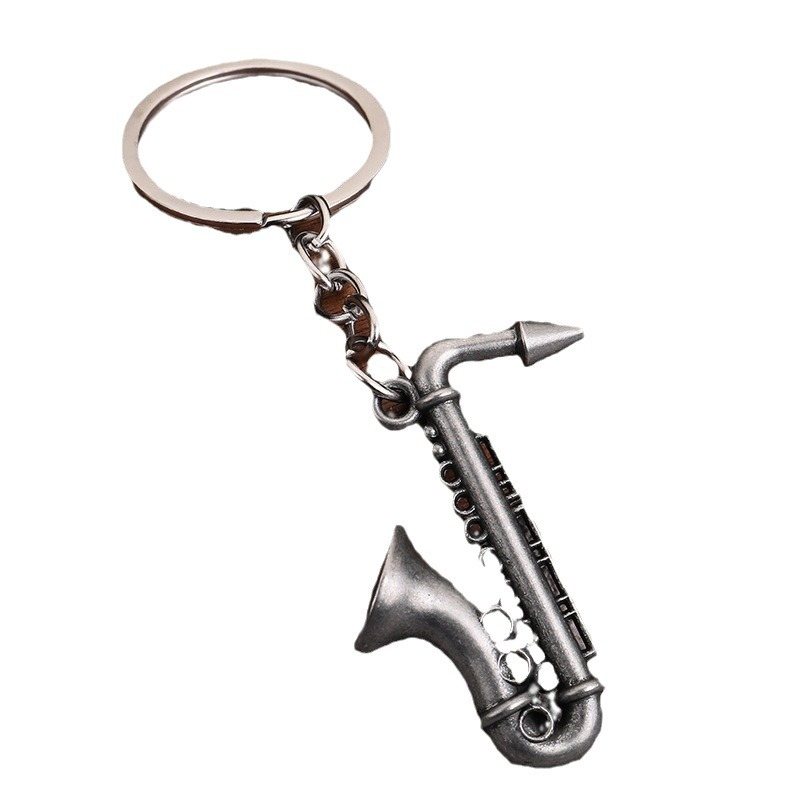
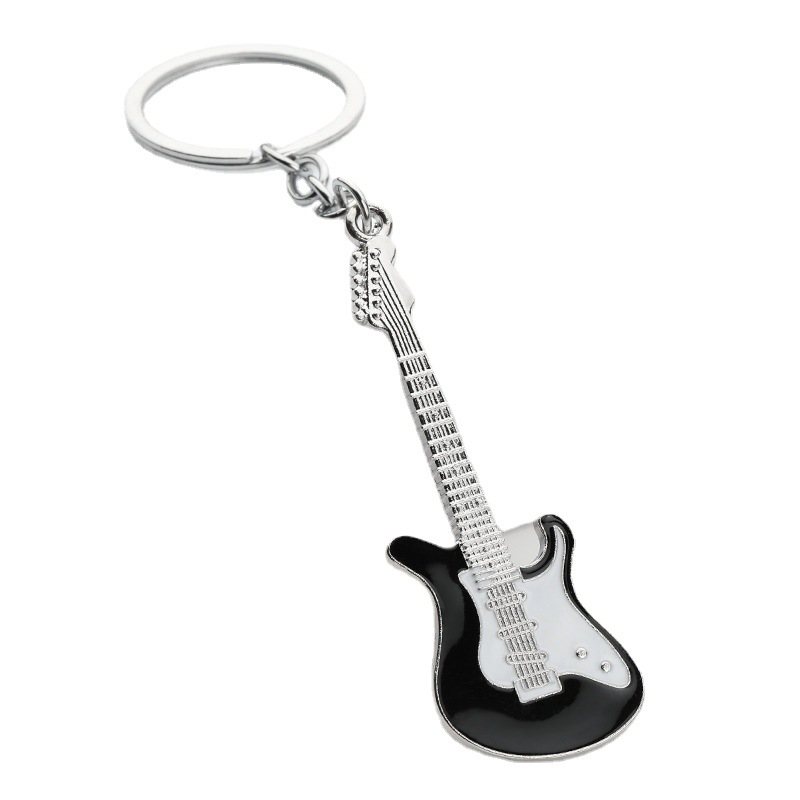
Confirm nickel, black nickel, antique, and gold-tone plating options; soft or imitation hard enamel; epoxy; UV printing; polishing; attachment assembly; and packing. If you are still choosing a material, compare PVC, silicone, and metal keychains before you ask factories to quote.
What Should You Check in the Artwork Before Tooling?
A good custom metal keychain manufacturer performs a design-for-manufacture review before collecting the final tooling payment. Recutting a mold is expensive, so ask the engineer to mark limitations directly on the proof rather than sending a vague approval request.
- Minimum line width and spacing that will survive casting or stamping
- Minimum enamel-pocket size for clean color filling
- Text size and legibility at the finished scale
- 2D or 3D relief and the number of height transitions
- Attachment position, hole size, ring direction, and balance
- Areas that require plating, enamel, epoxy, or UV printing
- Front, back, edge, and thickness details
- Pantone references and acceptable color tolerance
Send editable AI, PDF, EPS, or SVG artwork. Confirm the finished dimensions and thickness on the proof, and keep a revision number so the sample, purchase order, inspection report, and production photos all point to the same version.
What Samples and Approvals Should You Expect?
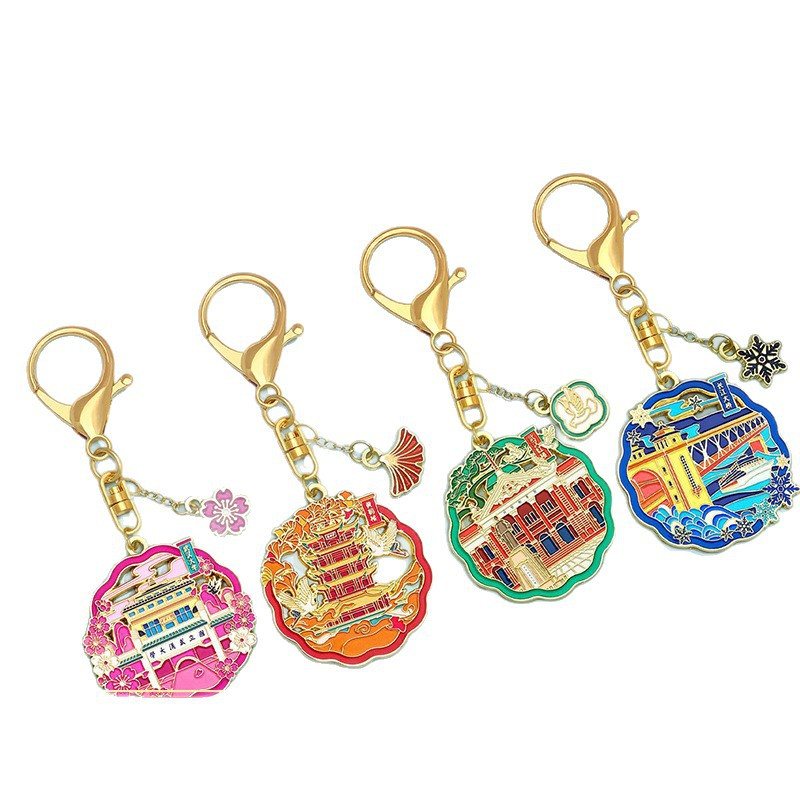
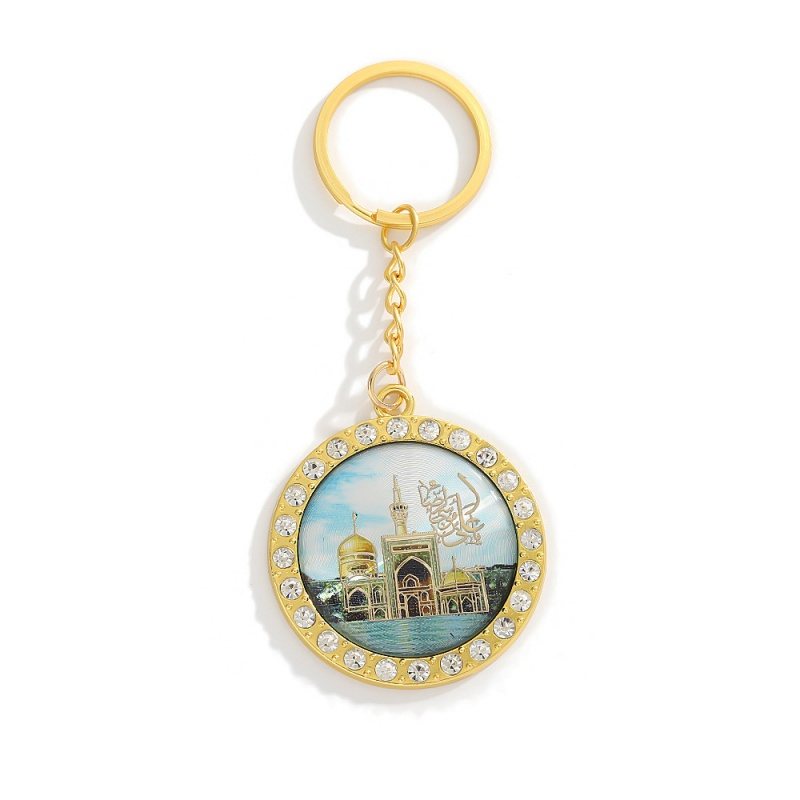
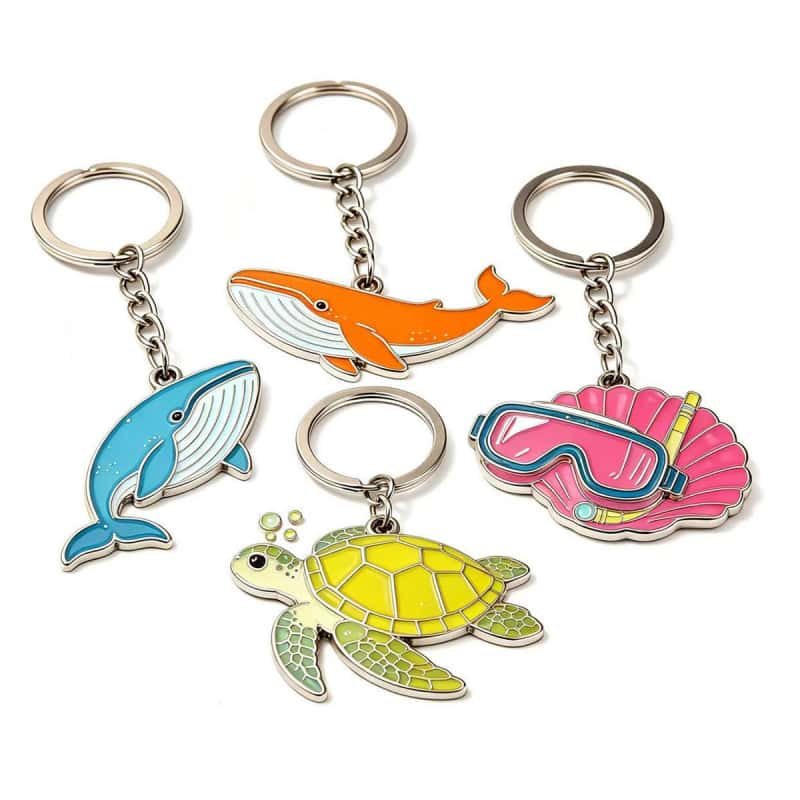
Approve the product in stages. Start with a digital proof, then review a physical pre-production sample. For a high-value order or a changed process, ask whether a live-run production sample is available. Never let an unapproved photo substitute for a physical sample when color, relief, function, or hardware matters.
Digital proof approval
Confirm dimensions, line work, relief, metal areas, colors, plating, back design, attachment, and packaging notes. Consolidate comments into one marked file so the engineer does not combine instructions from several messages.
Physical sample approval
Check size, weight, edge quality, plating coverage, enamel level, printed registration, color, ring closure, attachment strength, and packaging fit. Record approval in writing with dated photos and the sample revision.
What Should a Metal Keychain Quote Include?
Compare a quote as line items, not as one unit-price number. Ask for two or three quantity tiers on identical specifications so you can see the price break and the effect of the one-time mold fee.
| Quote line | What to confirm |
|---|---|
| Tooling or mold fee | One-time charge, ownership, storage period, reuse, and replacement terms |
| Material and process | Metal, casting or stamping route, size, thickness, and relief |
| Plating and coloring | Plating color, enamel type, Pantone references, epoxy, or printing |
| Attachment hardware | Ring, chain, clasp, swivel, cord, or custom fitting |
| Packaging | Polybag, card, gift box, labels, master carton, and included artwork |
| Testing and inspection | Scope, standard, responsible party, and report format |
| Freight | Incoterm, destination, method, and excluded destination charges |
| Commercial terms | Currency, payment schedule, quote validity, and exclusions |
Confirm the mold terms separately: who owns it, where it is stored, how long it is retained, whether a repeat order skips tooling, and which design change requires a new mold. Review the custom keychain mold fee guide and our metal keychain MOQ, mold fee, and lead-time guide before accepting the final quotation.
What Lead Time Is Realistic?
Ask for a schedule by stage, not a single promised ship date. The schedule should identify buyer approvals, factory work, inspection, and shipping separately. A late artwork or sample approval moves the following stages even when the factory stays on plan.
| Stage | Evidence or approval | Main schedule risk |
|---|---|---|
| Specification and DFM review | Marked digital proof | Incomplete artwork or changing dimensions |
| Tooling | Mold completion record | Complex relief or a recut |
| Pre-production sample | Physical sample and approval record | Slow feedback or color changes |
| Mass production | Batch photos and production record | Quantity, finishes, and peak loading |
| Quality control | Inspection report and corrective action | Unclear acceptance criteria |
| Packing and shipment | Pack-out, carton data, and dispatch documents | Late labels, booking, or consignee data |
Share the required delivery date at the first quotation. Ask the supplier to work backward from that date and flag the last safe dates for artwork approval, sample approval, final inspection, and freight booking.
How Does the Factory Control Quality?
Replace statements such as “strict QC” with a written inspection plan. The plan should define the approved reference, checkpoints, measurements, defect classes, sampling method, report format, and corrective-action process.
Incoming and in-process checks
Verify metal, plating inputs, enamel or printing materials, attachment hardware, and packaging components. During production, inspect dimensions, relief, plating coverage, enamel fill, printing position, edge quality, curing, and assembly.
Final inspection
Agree how critical, major, and minor defects are classified; what color and finish reference applies; what dimensional tolerance is acceptable; and whether you may appoint a third-party inspector. The bulk keychain quality control checklist helps you document these points before shipment.
What Export Documents and Packing Data Do You Need?
Plan paperwork and packing before production finishes. Ask which party prepares each document and which information your freight forwarder or customs broker must confirm. Do not assume the factory can issue every destination-specific document.
- Proforma invoice and final commercial invoice
- Packing list with carton count and net and gross weights
- Product description and proposed HS-code reference for broker confirmation
- Country-of-origin marking or supporting document where required
- Unit weight, unit pack, carton quantity, carton dimensions, and shipment marks
- Incoterm, exporter, consignee, importer-of-record, and freight-booking responsibility
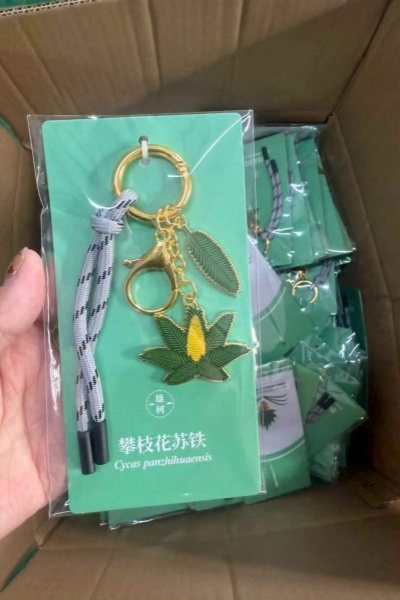
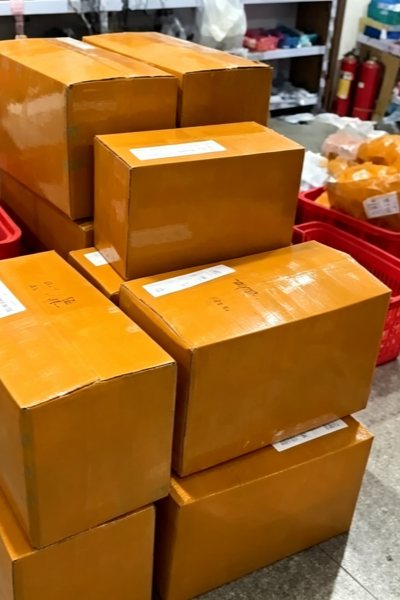
Request a pack-out sample or photos showing the finished keychain, individual protection, labels, inner packs, and master carton. Accurate dimensions and weights improve freight estimates and reduce rework at dispatch.
Which Compliance Rules Apply to Your Order?
Start with the destination, intended user and age, design, materials, coatings, detachable parts, packaging, marketing, and sales channel. A keychain is not automatically a toy, and no generic certificate covers every product version. The importer or brand must determine the applicable requirements, while the manufacturer and laboratory support the evidence for the final configuration.
United States
Children’s products designed or intended primarily for children 12 years of age or younger that are subject to CPSC rules generally require third-party testing and a Children’s Product Certificate. The importer of an overseas-made children’s product is responsible for issuing the CPC based on passing results from a CPSC-accepted laboratory. Beginning July 8, 2026, importers of most regulated consumer products must electronically file certificate data with U.S. Customs and Border Protection. Confirm the product-specific route using the CPSC toy-safety guidance and CPC FAQ.
European Union
Under the EU General Product Safety Regulation, consumer products must be safe and traceable. Where the manufacturer is outside the EU, an EU responsible economic operator is required for products within scope. Article 19 requires online or distance-sale offers to display manufacturer contact details, EU responsible-person details where applicable, product identification, and required warnings or safety information. Review the official Regulation (EU) 2023/988.
Use our custom keychain compliance documents checklist to assign responsibility. Regulatory references were checked in August 2026. This is operational guidance, not legal advice; confirm current requirements with a qualified party for the destination.
Red Flags and the Proof That Clears Them
| Warning sign | Evidence that clears it |
|---|---|
| No sample offered for a new design | Dated pre-production sample and written approval record |
| Vague answers about the production site | Live mold-room and production walkthrough tied to the legal supplier |
| One price with no breakdown | Itemized quote with specifications, quantity tiers, and exclusions |
| No inspection detail | Written QC specification, defect definitions, and report template |
| Generic compliance claim | Test evidence traceable to the exact material, color, hardware, and version |
| Unrealistic delivery promise | Stage schedule showing approvals, production, inspection, and shipping |
A supplier that produces traceable evidence normally gives you a smoother bulk order. Keep the proof with the purchase order so your team can compare the delivered batch with the approved specification.
What to Send for a Manufacturability and Documentation Review
Send one complete brief so every manufacturer quotes the same product and your comparison remains fair.
- Vector artwork: AI, PDF, EPS, or SVG with front, back, edge, and color details.
- Finished dimensions and tolerance: define size, thickness, hole position, and acceptable variation.
- Material and process: state zinc die cast, stamped iron or brass, stainless steel, or request a recommendation.
- Plating and finish: specify nickel, black nickel, antique, gold-tone, enamel type, epoxy, or UV printing.
- Color references: provide Pantone codes and identify exposed-metal areas.
- Attachment hardware: define the ring, chain, clasp, swivel, cord, or custom fitting.
- Packaging: choose the unit pack, card, gift box, labels, inner pack, and carton requirements.
- Quantity tiers: share the quantities you are comparing and any expected repeat order.
- Destination and Incoterm: state the country, postal code when available, and freight responsibility.
- Delivery date: provide the required arrival date rather than only the ship date.
- Intended use and age: describe the user, marketing, sales channel, and any child-directed claims.
- Inspection and documentation: define testing, inspection, report, and marketplace requirements.
Browse the full custom keychain range to shortlist a shape and finish. Then send the approved brief to every candidate so price, evidence, and delivery risk can be compared on equal terms.
Custom Metal Keychain Manufacturer FAQs
How do I confirm a metal keychain manufacturer runs its own production?
Ask for the legal supplier name, production-site address, a dated mold-room and production walkthrough, and a written list of outsourced steps. The evidence should identify the same company and site shown on your quotation.
What materials and processes should a metal keychain factory offer?
Look for the process your design needs: zinc-alloy die casting for complex relief, iron or brass stamping for flatter designs, and stainless steel where corrosion resistance matters, plus appropriate plating, enamel, printing, assembly, and inspection.
What should a bulk metal keychain quote include?
A transparent quote separates tooling, material, manufacturing process, plating, enamel or printing, hardware, packaging, testing or inspection, freight, payment terms, exclusions, and mold storage and reuse terms.
Do metal keychains need compliance testing?
It depends on the destination, intended user, age grade, design, materials, coatings, detachable parts, packaging, marketing, and sales channel. Confirm the route for the final product rather than relying on a generic report.
What should I send to get an accurate manufacturer quote?
Send vector artwork, dimensions and tolerance, thickness, material and process, plating and colors, hardware, packaging, quantity tiers, destination, Incoterm, delivery date, and intended-use or age information.
Start Your Metal Keychain Sourcing Review
Send your artwork, quantity tiers, destination market, intended user or age group, and delivery deadline. We will review manufacturability, quote scope, sample steps, production timing, and available documentation support for your exact design.