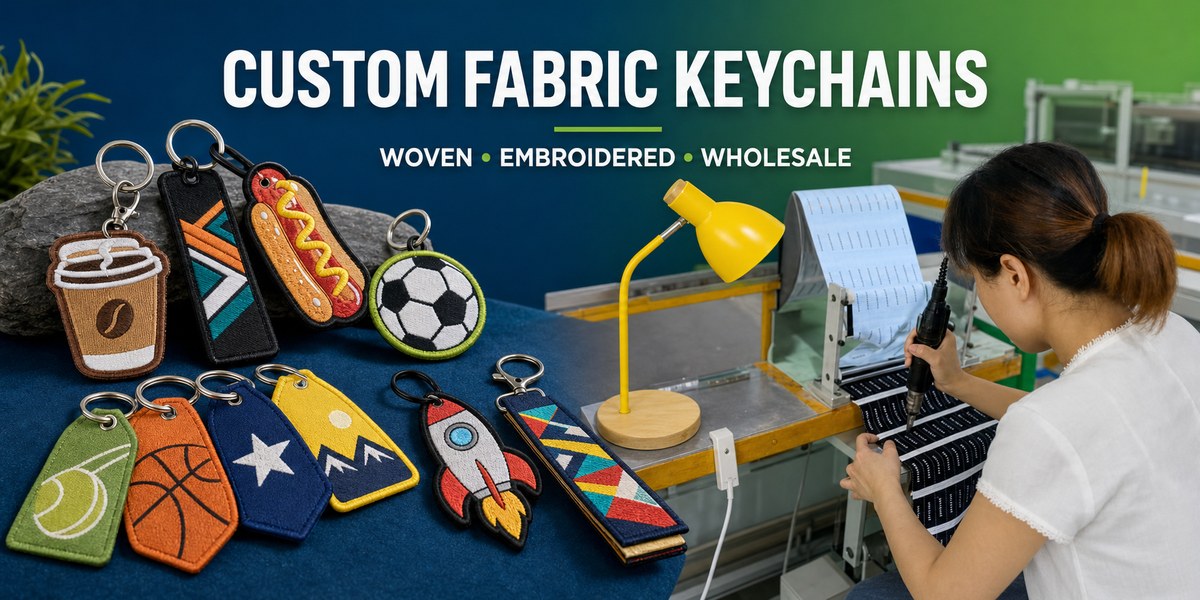
This custom fabric keychains wholesale guide explains how buyers choose woven, embroidered, wrist strap, and key tag styles for promotional orders, retail ranges, clubs, apparel brands, aviation gifts, and event merchandise.
Fabric keychains are a strong choice when you want thread, cloth texture, low setup risk, and no mold fee. You can customize the process, fabric, size, colors, edge finish, hardware, packaging, and order quantity. Send artwork, quantity, and target market to HUASAN for a factory quote.
What Buyers Need to Know Before Ordering Custom Fabric Keychains
Before ordering custom fabric keychains, confirm the right production process, text clarity, attachment strength, double-sided alignment, and thread color standard. These points decide whether the sample looks clean and whether the bulk order is durable enough for daily use.
- Choose woven fabric when the design includes small text, thin lines, dates, or detailed crests.
- Choose embroidery when you need raised thread texture, but avoid very small lettering.
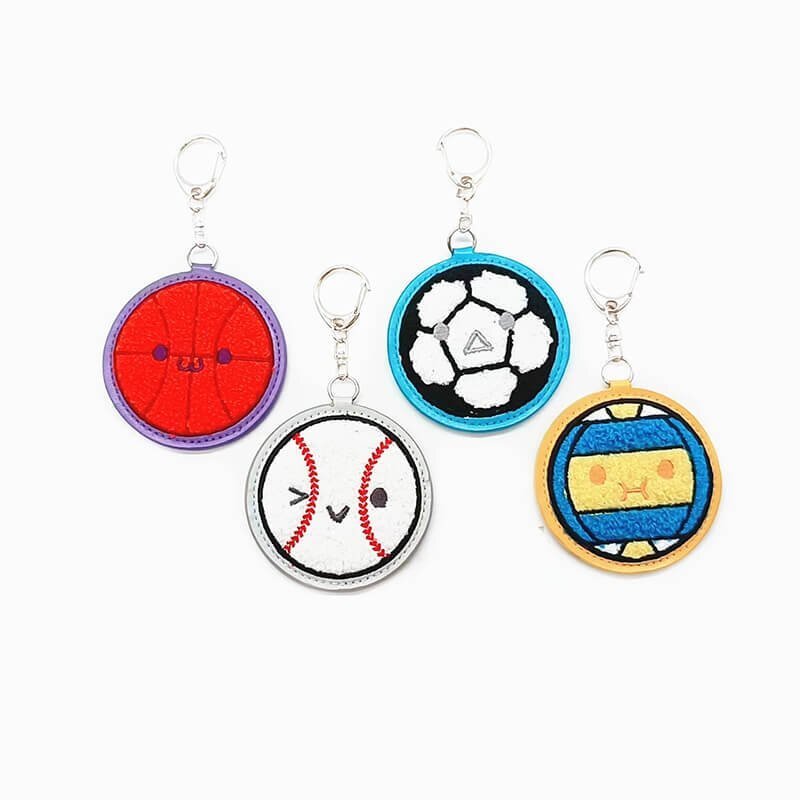
- Choose chenille for bold letters, numbers, mascots, and school or sports merchandise.
- Choose heat transfer only for photo effects or gradients where a surface-print finish is acceptable.
- Specify strong stitching and suitable hardware because the ring attachment carries the keyring load.
What Is a Fabric Keychain?
A fabric keychain is a soft textile keyring made by weaving, stitching, sewing, printing, or assembling fabric with hardware. Unlike PVC or metal keychains, it does not need a mold. The factory converts your artwork into a weave or stitch pattern and then adds the ring, clasp, strap, tag, or retail packaging.
Buyers use fabric keychains for brand merchandise, event souvenirs, retail accessories, promotional gifts, motorcycle clubs, tourist products, corporate giveaways, apparel labels, and aviation-style remove-before-flight tags. If you are comparing other materials, start from the custom keychains range.
Fabric Keychain Styles Buyers Can Order
The best style depends on your artwork, target buyer, retail channel, and budget. A simple woven tag can be low cost and fast to repeat, while a detailed embroidered patch keychain gives a stronger textile feel.
| Style | Best for | Customization options | Buyer notes |
|---|---|---|---|
| Woven keychain | Small text, logos, racing labels, aviation tags | Thread colors, woven detail, double-sided layouts | Best for clean lines and fine detail |
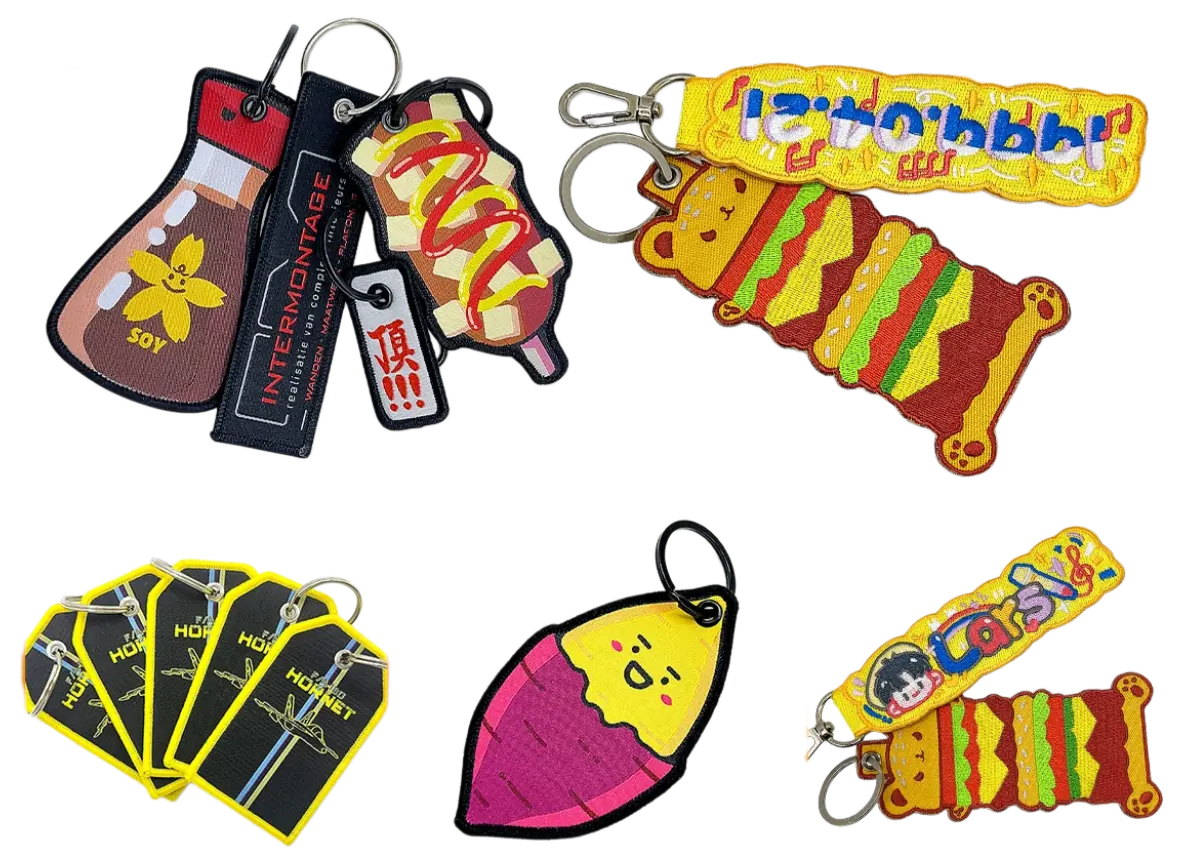
| Embroidered keychain | Premium texture, outdoor, club and team goods | Raised stitch, border, patch shape, ring position | Avoid tiny text and very thin lines |
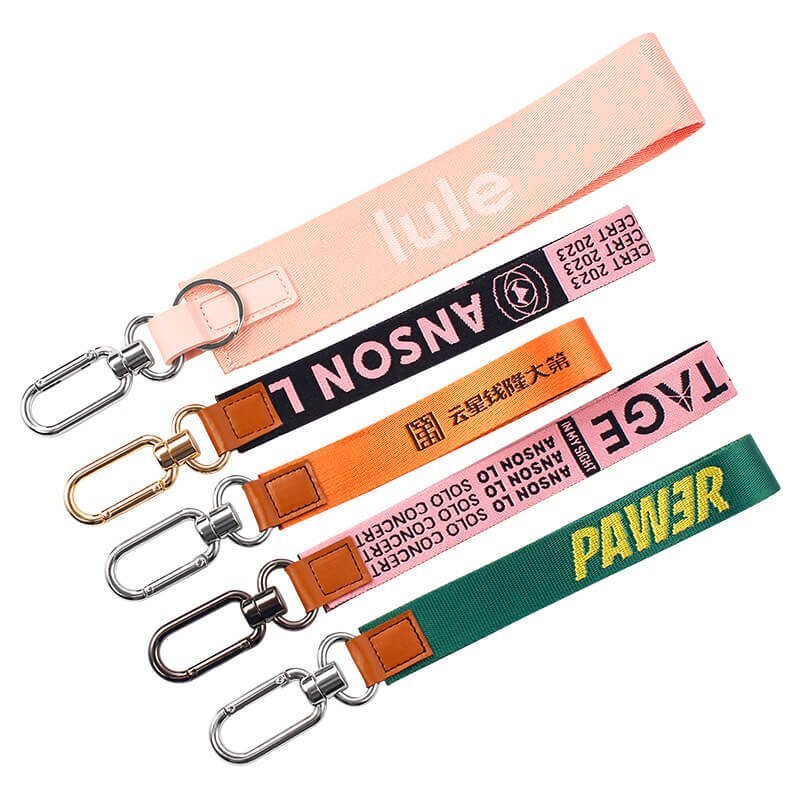
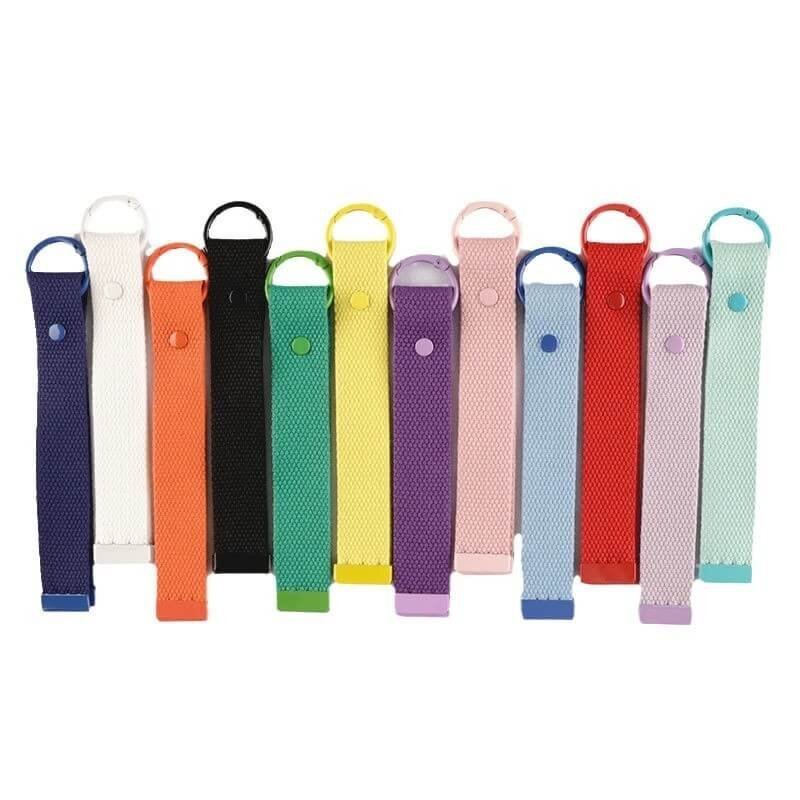
| Wrist strap keychain | Fashion, streetwear, retail accessories | Fabric strap, printed or woven pattern, clasp, ring | Good for visible branding and daily carry |
| Shoe keychain | Sneaker merchandise and youth gifts | Fabric upper, colorways, lace detail, ring placement | Retail-friendly and easy to merchandise |
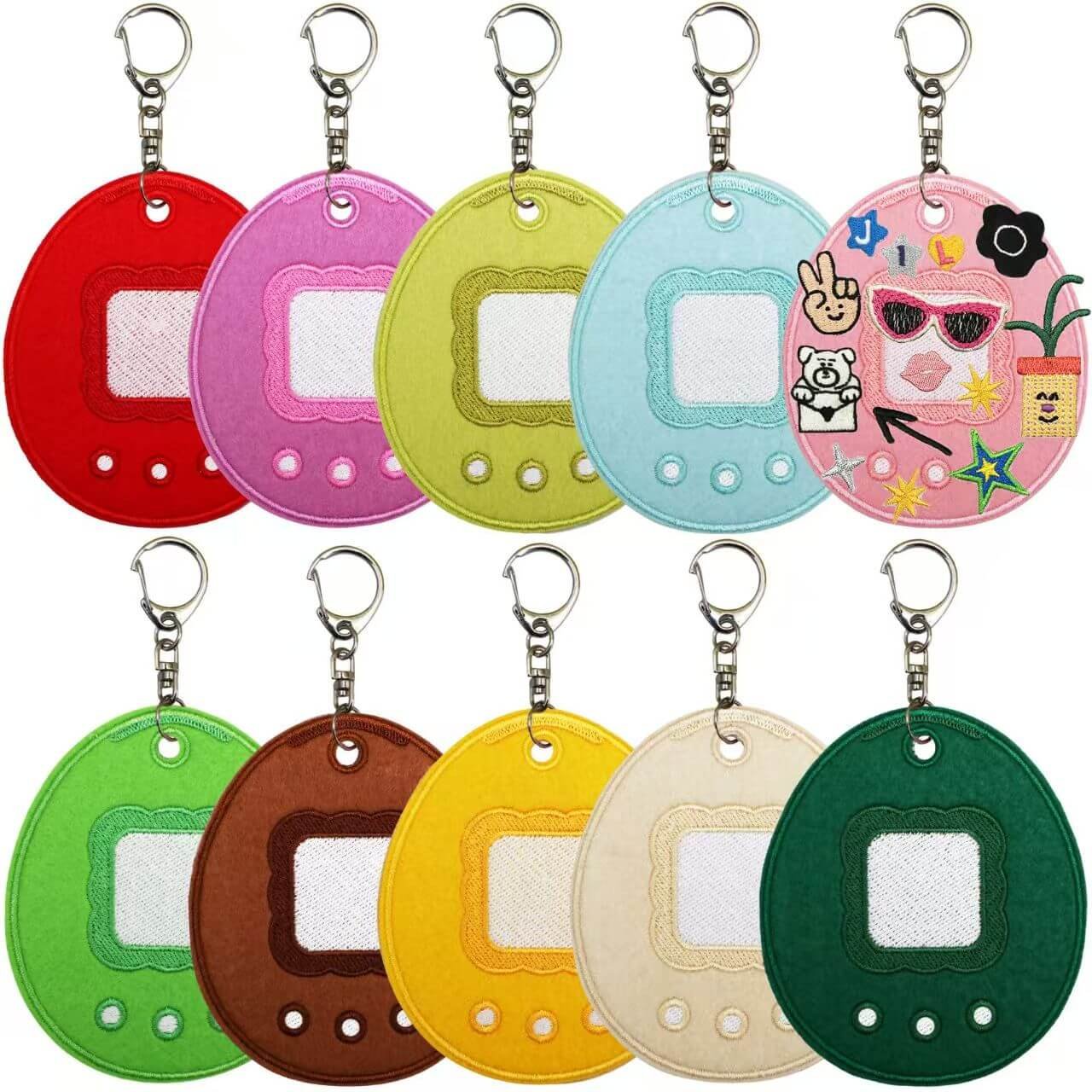
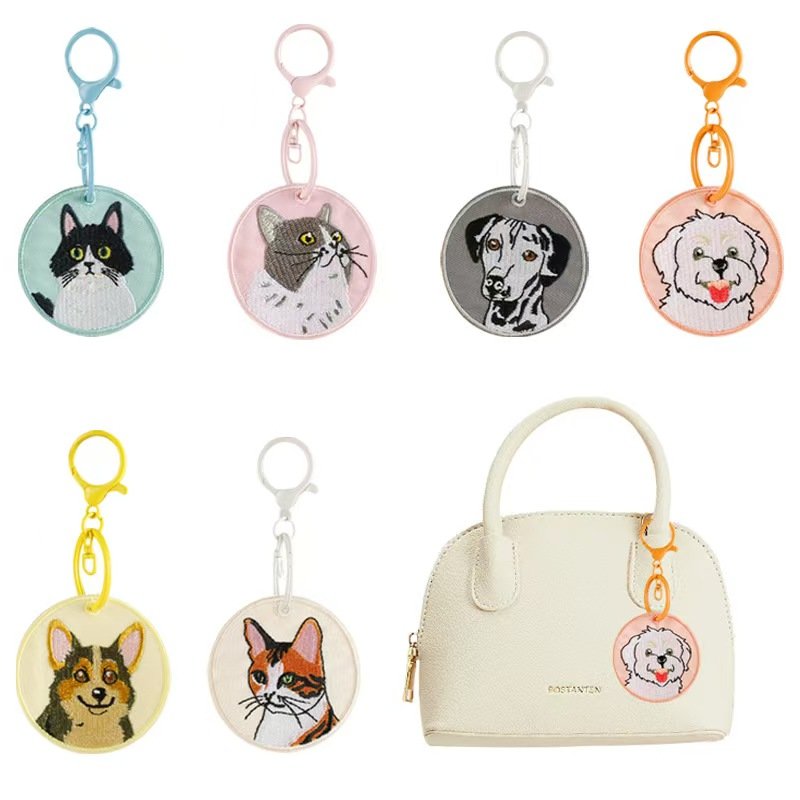
| Patch-shaped keychain | Mascots, animals, fishing, souvenirs | Die-cut outline, embroidery, merrow edge, printed detail | Stronger character or theme appeal |
What Can Be Customized
A fabric keychain is flexible because most parts can be changed before sampling. Give the factory a complete brief so the quote includes the right process, hardware, packing, and delivery plan.
- Production process: woven, embroidered, chenille, heat transfer, printed fabric, or mixed technique.
- Base material: nylon, cotton, felt, satin, twill, polyester webbing, or soft fabric strap.
- Artwork: single-sided, double-sided, woven logo, stitched logo, printed artwork, or color-block layout.
- Shape: rectangle, shield, die-cut outline, strap, key tag, shoe shape, patch shape, or custom silhouette.
- Edge finish: merrow border, overlock, laser cut, heat cut, stitched edge, or folded strap end.
- Hardware: split ring, lobster clasp, metal chain, D-ring, wrist strap, lanyard, black clasp, or custom ring.
- Packaging: OPP bag, backing card, hang tag, barcode sticker, retail box, gift box, or carton marks.
Woven, Embroidered, Chenille, or Heat Transfer?
Match the process to your artwork instead of choosing only by price. Woven fabric is usually the best route for straplines, small lettering, fine logos, dates, and clean rectangular tags. Embroidery is better when you want a raised thread surface and a more tactile product.
| Process | Strength | Limit | Recommended use |
|---|---|---|---|
| Woven | Clean small text and fine line detail | Less raised texture | Racing tags, airline-style tags, logo labels |
| Embroidery | Premium stitched texture | Tiny lettering can close up | Patch keychains, club gifts, outdoor brands |
| Chenille | Bold, fluffy texture | Not suitable for small detail | Letters, numbers, mascots, school merchandise |
| Heat transfer | Photos, gradients, complex colors | Surface-print feel | Artwork with gradients or photographic effects |
Choosing Material and Process for Wholesale Orders
Choose fabric when you need a soft textile feel, fast sampling, and a tooling-free start. It works well for apparel, clubs, travel merchandise, motorcycle communities, promotional gifts, and retail accessories. Choose PVC when you need a molded 2D or 3D shape, and choose metal when you need a heavier premium finish.
For material comparison, read the PVC, silicone and metal keychain guide. If you need a molded option instead of fabric, compare it with 2D PVC keychains.
MOQ, Samples, and Lead Time
Many fabric keychain orders can start from about 100 pieces because no mold is required. Sampling is often faster than PVC or metal tooling projects, but the exact timeline depends on artwork complexity, thread colors, hardware, packaging, and order quantity.
| Order stage | Typical buyer decision | Factory output |
|---|---|---|
| Artwork review | Confirm logo, size, thread colors, target market | Feasibility check and quotation |
| Sample preparation | Confirm process, edge, hardware, packing | Physical sample, often about 3-5 days |
| Sample approval | Check text, color, edge, alignment, attachment | Signed production standard |
| Bulk production | Confirm quantity and delivery date | Woven, stitched, assembled, packed goods |
| Pre-shipment check | Confirm cartons, barcode, labels, counts | Ready-to-ship wholesale order |
Why Fabric Has No Mold Fee
Fabric keychains do not use a metal mold or PVC mold. The design is converted into a weave, stitch, print, or sewing program, so first orders can start with lower tooling risk. That is useful for event buyers, clubs, brand tests, and retailers that need to test several designs before reordering winners.
Price still changes when you change size, thickness, thread colors, stitch density, base fabric, attachments, packing, quantity, or delivery speed. For molded keychains, see the custom mold fee guide.
From Artwork to Finished Fabric Keychain
- Send the brief. Share artwork, size, colors, quantity, attachment, packaging, market, and delivery date.
- Review feasibility. The factory checks small text, stitch density, edge finish, double-sided alignment, and hardware load.
- Approve the pattern. Confirm the woven, embroidered, chenille, or printed production file before sampling.
- Check the sample. Review thread colors, logo clarity, edge finish, ring position, attachment strength, and packing.
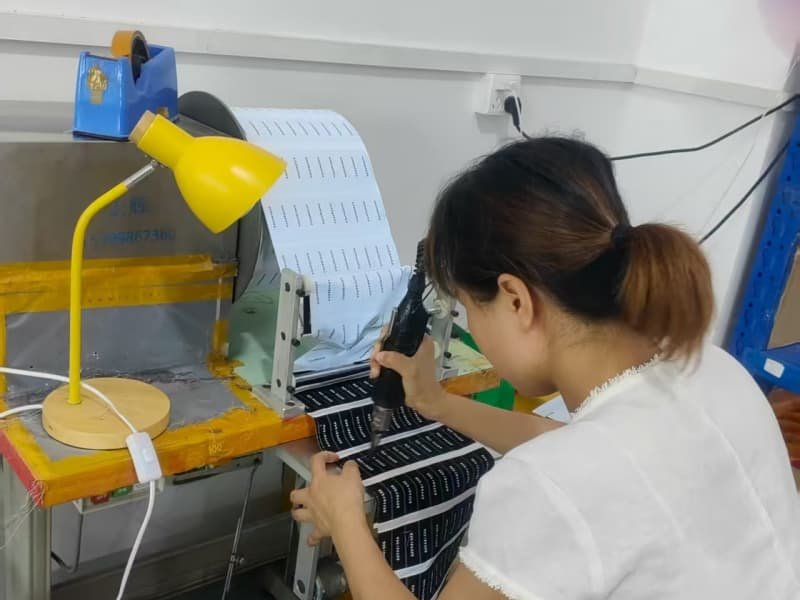
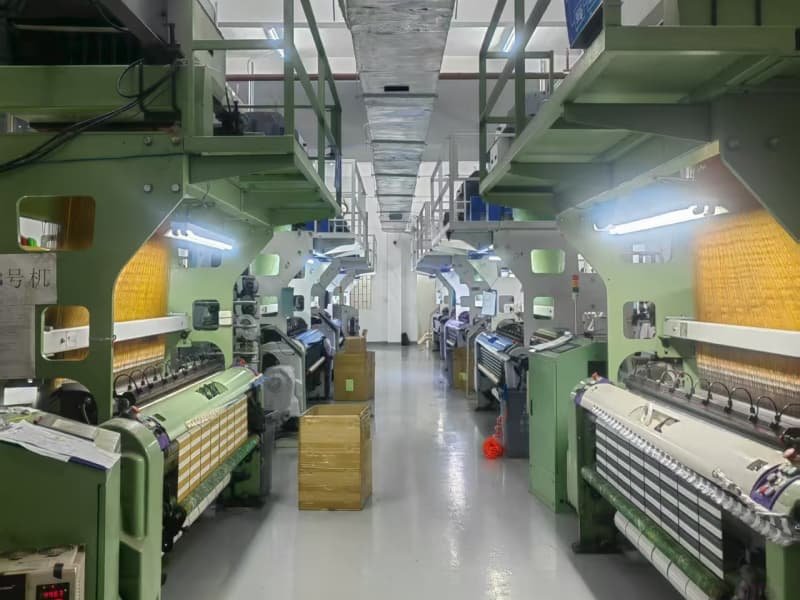
- Start bulk production. The factory produces, trims, assembles, inspects, packs, and prepares shipment.
If you want a broader factory-stage reference, the PVC keychain production process shows how artwork, sampling, production, assembly, and QC connect in a keychain factory.
Quality Control Points for Fabric Keychains
Quality control should happen before production, during sewing, during assembly, and before packing. The main risks are wandering stitch lines, closed lettering, frayed edges, weak ring joins, color rub-off, rusty hardware, wrong barcode labels, and quantity errors.
- Check logo clarity and whether small letters remain readable.
- Check Pantone or approved thread colors against the sample.
- Check edge finish, trimming, loose threads, and fabric cleanliness.
- Check ring, clasp, grommet, chain, or strap pull strength.
- Check OPP bag, backing card, barcode, carton mark, and piece count.
Packaging and Attachments by Sales Channel
Choose packaging based on where the keychain will be used or sold. A giveaway can use a simple OPP bag. Retail and ecommerce orders often need a backing card, hang tag, barcode sticker, insert card, or gift box. Sea shipment and humid markets should use suitable hardware and packing to reduce rust risk.
| Channel | Recommended packaging | Recommended hardware |
|---|---|---|
| Promotional giveaway | OPP bag or bulk pack | Split ring or simple clasp |
| Retail store | Backing card, hang tag, barcode | Ring, grommet, or lobster clasp |
| Ecommerce | Individual bag, barcode, carton label | Durable clasp and clean folded strap |
| Club or event | Simple bag or card | Ring, wrist strap, or D-ring |
| Premium gift | Gift box or branded card | Higher-grade ring, clasp, or chain |
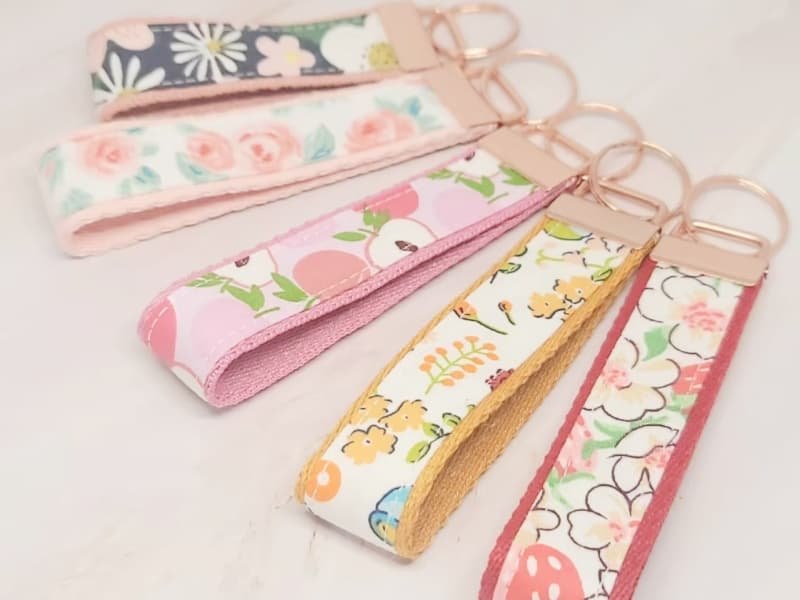
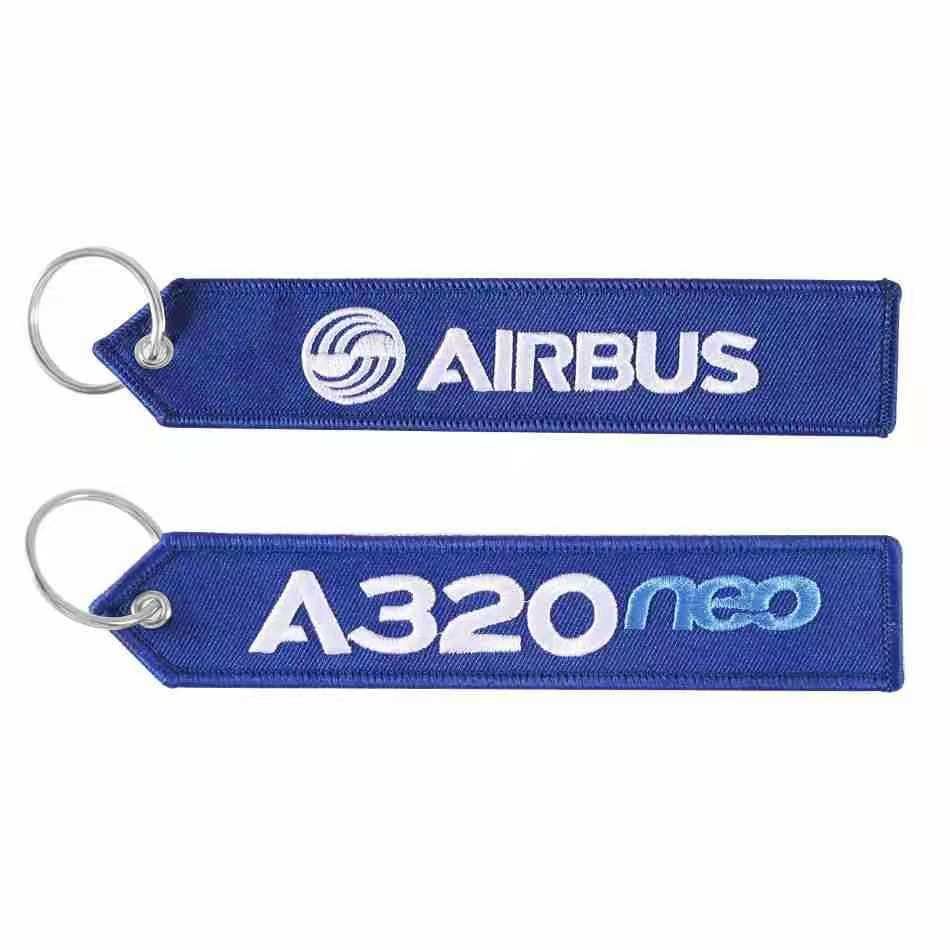
Woven vs. Embroidered vs. PVC Keychains
Test woven fabric when you want a low-risk artwork check without tooling. Add embroidery when the collection needs more texture. Choose molded PVC when the design needs raised rubber color blocks, 3D shape, or cartoon depth. Many brands use fabric and PVC together in one merchandise range.
RFQ Checklist for a Fast Quote
- Product type or reference photo.
- AI, PDF, or PSD artwork with logo, text, and Pantone colors.
- Size, thickness, fabric, process, edge finish, attachment, and packaging.
- Single-sided or double-sided artwork requirement.
- Quantity, target market, delivery date, and shipping country.
- Sample requirement, retail packaging, barcode, or compliance documents.
Why Buyers Work With HUASAN
HUASAN works as a direct custom keychain manufacturer for fabric, PVC, metal, silicone, and mixed-material orders. Buyers can use BSCI certification, 15 years of custom keychain experience, and more than 1,000 existing styles as starting points when discussing a wholesale project.
Send artwork, quantity, and target market to request a factory quotation, or browse the wider fabric keychains line before confirming your product direction.
FAQ
What is the MOQ for custom fabric keychains?
Many custom fabric keychains can start from about 100 pieces, but MOQ depends on the process, design, hardware, packing, and whether you need a sample or bulk-only order.
Can HUASAN make custom shapes, colors, logos, and packaging?
Yes. You can customize the process, fabric, shape, size, Pantone thread colors, sides, edge finish, hardware, retail card, bag, box, barcode, and carton marks.
How long do samples and bulk production take?
A fabric keychain sample can often be prepared in about 3 to 5 days because there is no mold stage. Bulk time depends on quantity, stitch density, hardware, packing, and delivery schedule.
What artwork should buyers send before quotation?
Send AI, PDF, or PSD artwork with logo, text, Pantone references, finished size, quantity, and packing requirements. Vector artwork usually gives a cleaner weave or stitch pattern.
Which material is better: PVC, silicone, fabric, or metal?
Choose fabric for soft merchandise, fine woven detail, and no mold fee. Choose PVC for molded 2D or 3D color designs, silicone for simple soft forms, and metal for heavier premium keychains.
Is there a one-time mold fee for fabric keychains?
No. Fabric keychains do not need a mold fee because the artwork is converted into weaving, stitching, or printing instead of molded tooling. Hardware and packaging still affect the quote.
How is quality checked before shipment?
The factory checks file accuracy, thread colors, stitch lines, lettering, edges, attachment strength, colorfastness, hardware, packing, labels, and random samples against the approved piece.
Are fabric keychains good for promotional gifts?
Yes. Fabric keychains are suitable for promotional gifts because they avoid mold fees, support modest order quantities, and can move quickly from artwork to sample.
What affects the price of custom fabric keychains?
Size, thread colors, stitch density, base fabric, process, edge finish, hardware, packaging, quantity, and delivery speed all affect the price. Higher quantity usually lowers the unit cost.