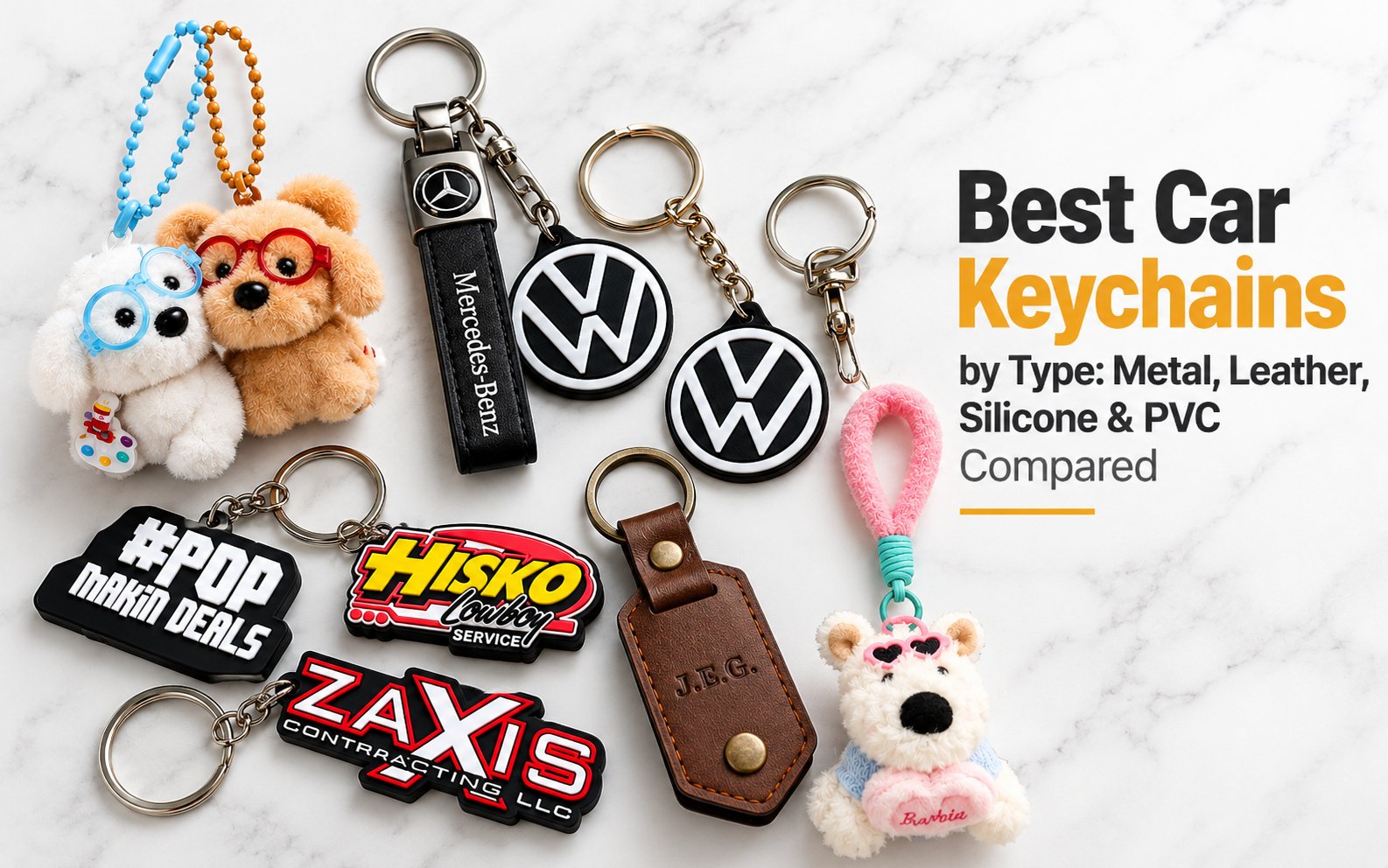
Custom soft PVC keychains can be safe for promotional use when the finished product is correctly classified, specified for its destination market, produced with controlled materials, and verified with appropriate testing. Safety does not come from the words “soft PVC” alone. The PVC formula, pigments, metal hardware, coatings, packaging, intended age group, and foreseeable use all matter.
Quick answer: For an adult promotional giveaway, define the destination country, intended user, PVC formulation, named restricted substances, hardware, packaging, and acceptance criteria before production. If the design is intended for children or has play value, additional children’s-product or toy rules may apply. Test the exact finished configuration and lock that configuration to mass production.
Buyers often call these products “PVC rubber keychains,” but soft PVC is a flexible plastic, not natural or synthetic rubber. This guide is for promotional distributors, brands, importers, retailers, and procurement teams sourcing custom soft PVC keychains for campaigns, events, retail packs, and branded merchandise.
1. What Are Custom Soft PVC Keychains Made From?
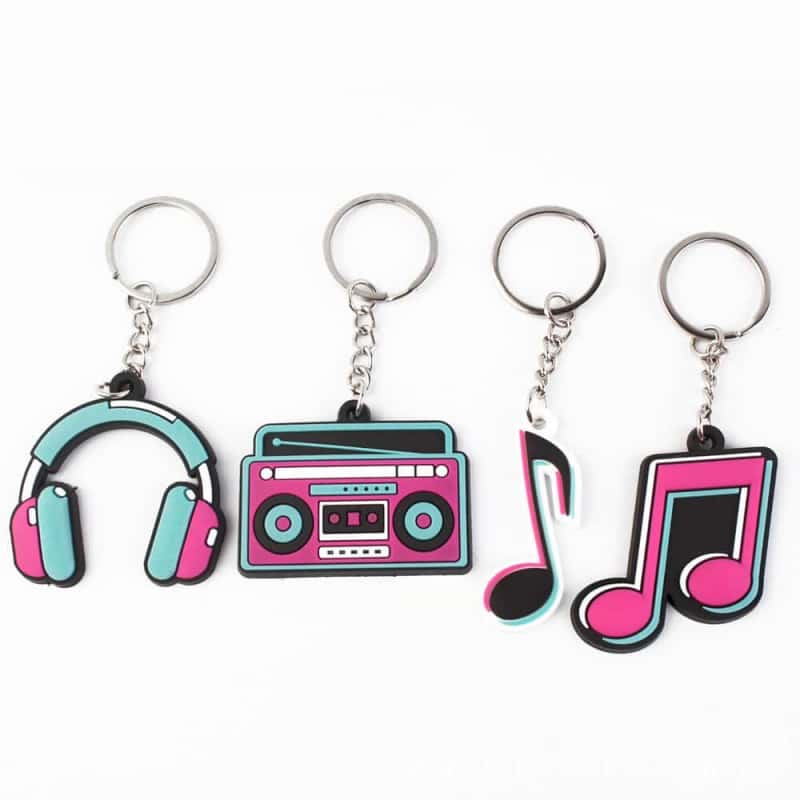
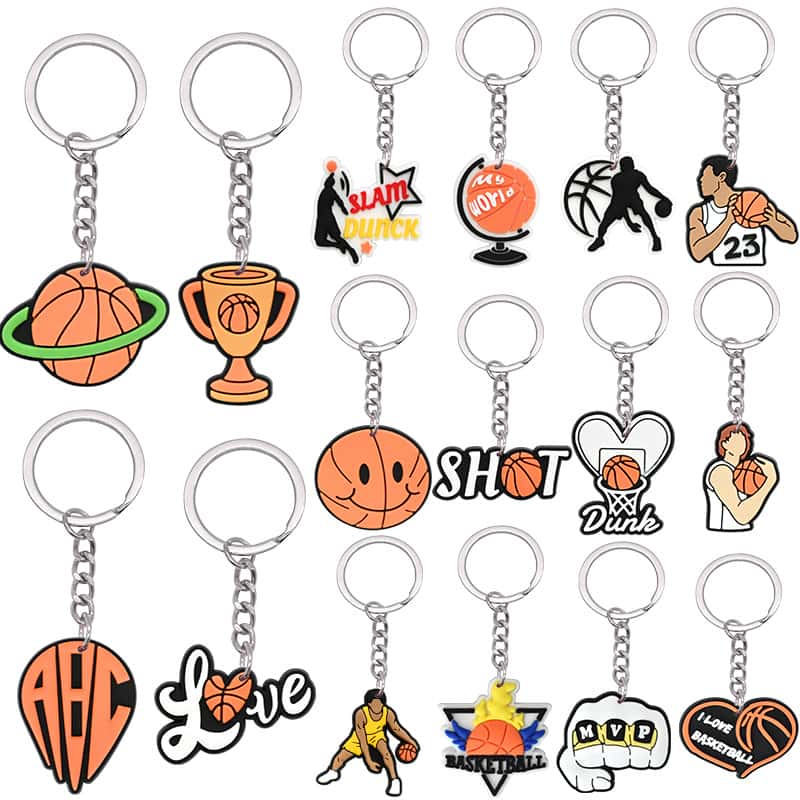
Soft PVC is polyvinyl chloride made flexible with plasticizers. Its rubber-like feel, molded color areas, durability, and ability to reproduce raised or recessed details make it popular for promotional keychains. The exact recipe varies by grade and supplier, so two products that look similar may have different chemical profiles.
This variation is why buyers should not rely on a generic material statement. Specify the formulation and restricted-substance limits for the market where the keychain will be supplied. For a broader comparison, review our PVC, silicone, and metal keychain buyer guide or explore our 2D PVC keychain options.
2. First, Classify the Promotional Keychain
Product classification decides which rules apply. Settle it before asking for testing because appearance, packaging, advertising, age grading, foreseeable use, and play value can change the route.
General or adult promotional item
This is a keychain promoted to adults as a brand accessory, event giveaway, loyalty gift, or retail merchandise item, without child-directed marketing or play value. General consumer-product safety and chemical restrictions still matter, even when toy rules do not apply.
Children’s product or toy
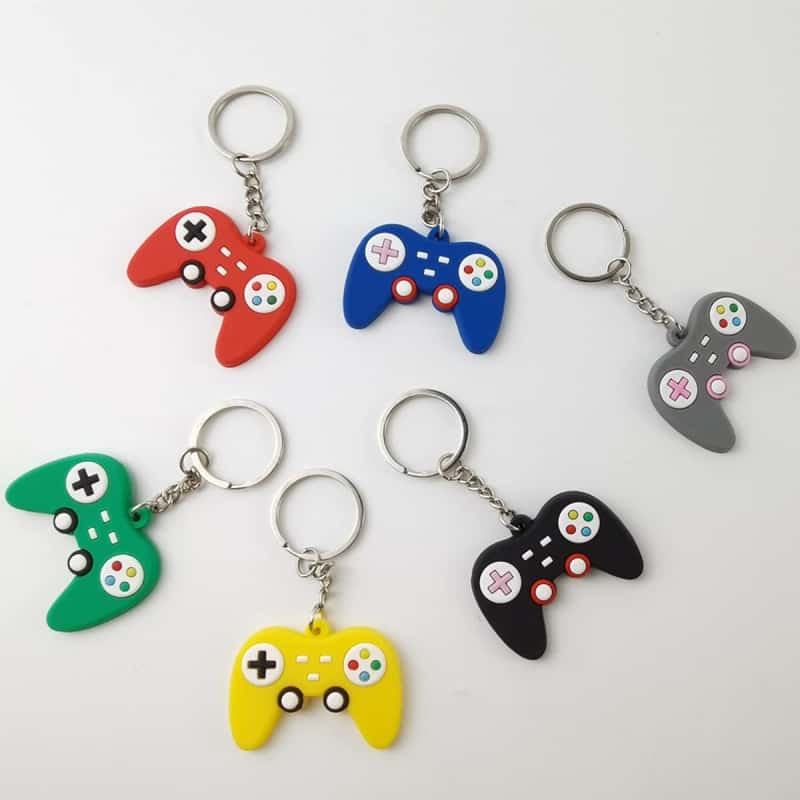
A children’s product is designed or intended primarily for children. A toy is designed or intended for use in play. These categories are not interchangeable in every market. Child-directed graphics, packaging, age claims, campaign placement, and detachable small parts can all affect the analysis. Do not use an adult age label merely to avoid requirements if the product is foreseeably child-directed.
3. Custom Soft PVC Keychain Safety by Market
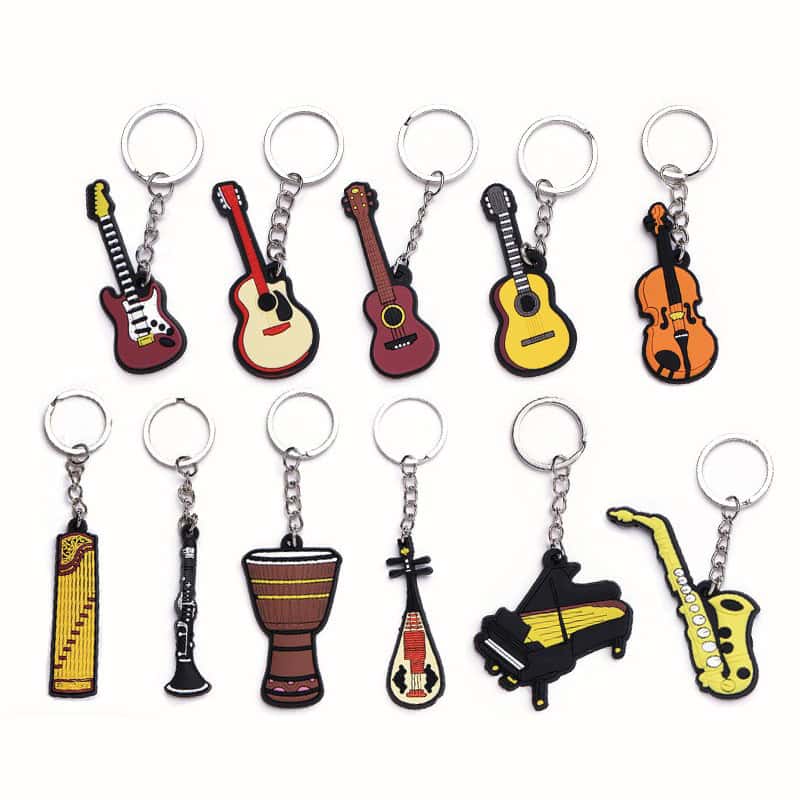
Requirements depend on both destination and classification. The matrix below is a planning aid, not a final compliance determination. Confirm the current rules with the responsible authority or a qualified adviser before placing the product on the market.
For current primary guidance, consult the U.S. Consumer Product Safety Commission phthalates guidance, the EU’s official General Product Safety Regulation text, and the UK government’s toy safety guidance for Great Britain. Requirements can change, so verify the current version before ordering custom soft PVC keychains.
| Market | Who normally leads compliance | Core rule family | Typical evidence |
|---|---|---|---|
| United States | Importer or domestic manufacturer | General consumer rules; CPSIA and toy rules when applicable | Applicable test reports, CPC for covered children’s products, tracking information |
| European Union | Manufacturer, importer, responsible economic operator | GPSR for general products; toy-safety law for toys; REACH for substances | Risk assessment, technical records, declarations and traceability; CE only where required |
| Great Britain | Manufacturer, importer, distributor | General product safety; Toys (Safety) Regulations for toys | Technical documentation, declaration, labeling and applicable conformity marking |
| Canada / Australia / New Zealand | Importer or supplier | Local consumer-product and children’s-product safety rules | Market-specific test, label and traceability evidence |
United States: classify before selecting CPSIA tests
In the United States, a children’s keychain is not automatically a toy. The importer or domestic manufacturer must identify the rules that apply to the exact product. Lead limits, tracking labels, third-party testing, and a Children’s Product Certificate may apply to covered children’s products. Phthalate restrictions apply to children’s toys and child-care articles as defined by the rules, while toy requirements such as ASTM F963 and 16 CFR part 1250 apply when the item is a toy.
European Union: GPSR, REACH, and toy safety
A general consumer keychain supplied in the EU must be safe and meet applicable General Product Safety Regulation duties, including product identification, traceability, safety information, and an EU-based responsible economic operator where required. A general keychain does not receive a CE mark simply because it is sold in the EU. If it qualifies as a toy, toy-safety conformity assessment, technical documentation, a declaration of conformity, labeling, and CE marking become relevant.
4. Restricted Substances and “Phthalate-Free” Claims
Custom soft PVC keychains depend on a formulation, not just a trade name. Plasticizers, stabilizers, pigments, inks, coatings, and recycled content can affect restricted-substance results. A supplier-wide certificate or an old report for a different color does not automatically cover your order.
Define “phthalate-free” in the purchase specification
“Phthalate-free” has no single universal scope. Make the claim measurable: name the substances, maximum limits, test method, accessible components, laboratory, destination law, and product revision. A safer purchasing phrase is “tested for the named phthalates to the stated limits for the target market.” This avoids turning a vague marketing claim into unsupported compliance evidence.
REACH declarations must match the actual components
For EU orders, connect REACH documentation to the precise PVC body, each pigment system, coating, metal component, and packaging element in scope. Ask the supplier to identify the substances and limits covered. A generic “REACH certificate” is not universal proof for every design, batch, or colorway.
5. Whole-Product Safety: More Than the PVC Body
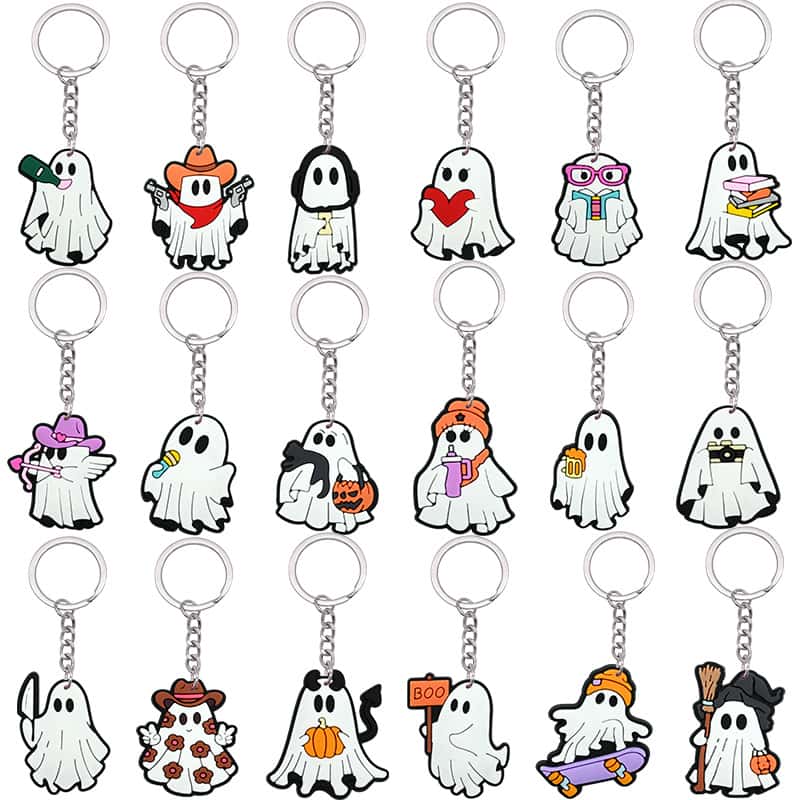
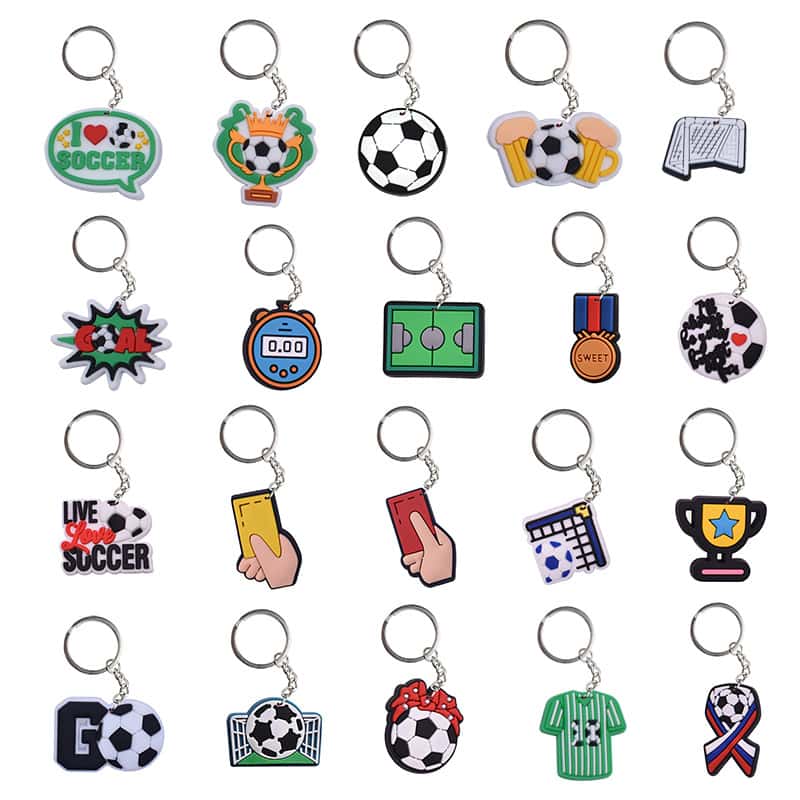
A chemical report for the PVC body does not prove that finished custom soft PVC keychains are safe. Evaluate the split ring, chain, eyelet, clasp, coatings, printed areas, secondary charms, packaging, and any detachable part. Hardware can introduce sharp-point, sharp-edge, pull-strength, small-parts, corrosion, or nickel-release concerns.
| Component or issue | Buyer check | Typical control |
|---|---|---|
| Soft PVC body | Formula, hardness, odor, restricted substances | Approved grade, material declaration, risk-based testing |
| Pigments and printing | Pantone match, migration, heavy metals, adhesion | Approved color system and finished-color testing |
| Ring, chain, clasp | Sharp edges, closure, pull strength, coating | Defined hardware specification and mechanical checks |
| Small attachments | Detachment and foreseeable child access | Product classification, pull test, design revision |
| Packaging | Warnings, traceability, reuse, suffocation risk | Market-specific label review and pack approval |
| Odor | Conditioning method and acceptance threshold | Physical sample assessed under agreed conditions |
Treat odor as an acceptance criterion rather than a diagnosis. Agree how long a sample is conditioned, whether it is sealed or open, when it is assessed, and what level is acceptable. Confirm the result on the physical pre-production sample before mass production.
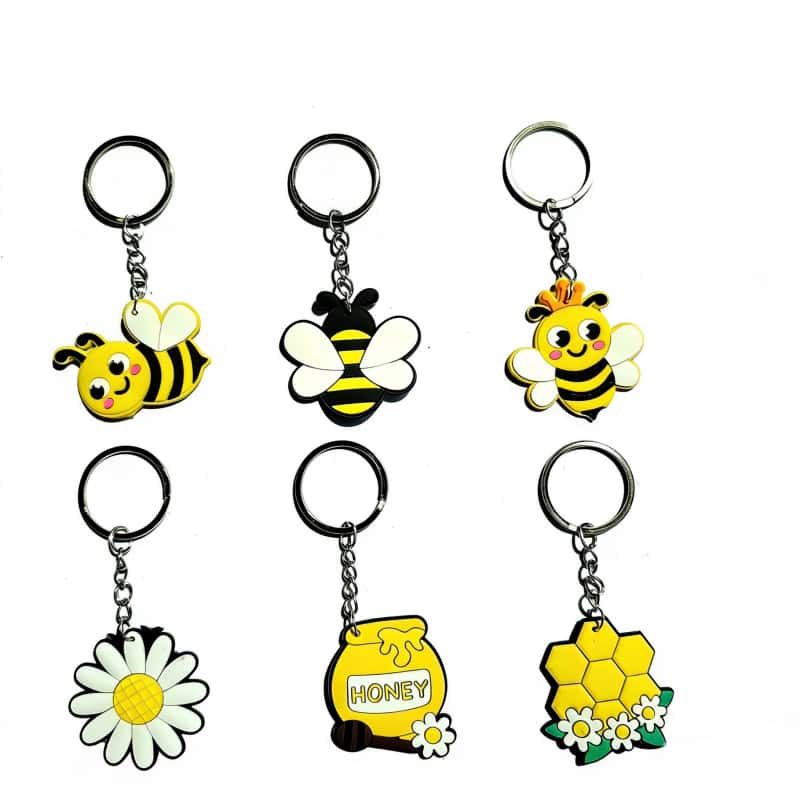
6. What Makes a Soft PVC Keychain Test Report Acceptable?
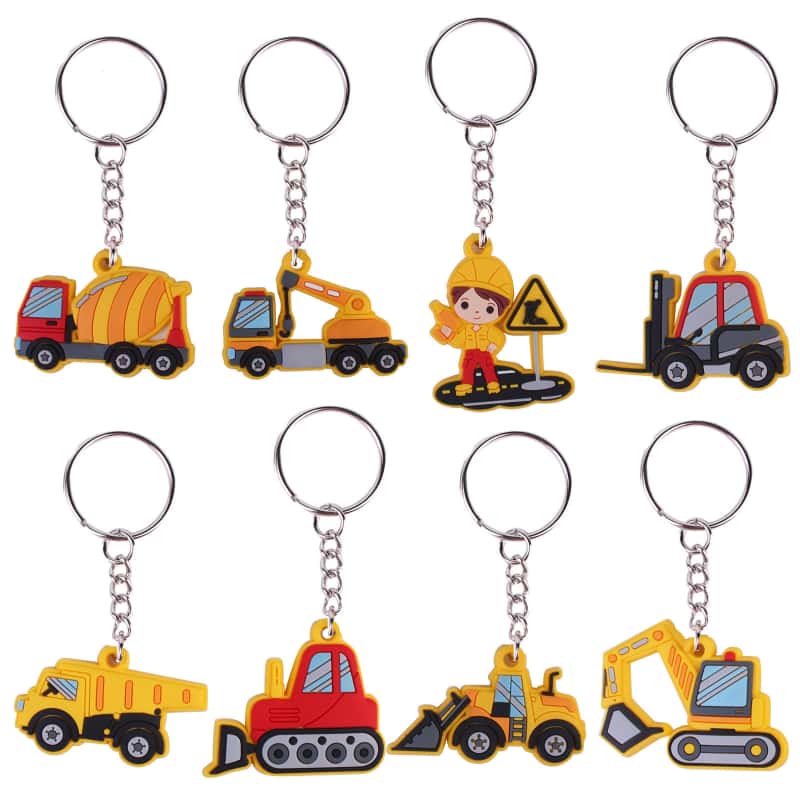
A report for custom soft PVC keychains is useful only when it matches the item you buy. Use an appropriately accredited laboratory and verify the applicant, manufacturer, report number, sample description, sample photographs, test method and version, result limits, report date, and configuration match. The laboratory report supports a compliance file, but it does not replace the importer’s or manufacturer’s classification, risk assessment, labeling, or certification duties.
Lock the tested sample to production
- Freeze the approved artwork and revision number.
- Record the bill of materials, PVC formula and grade.
- Record pigment references for every colorway.
- Specify hardware, coating, dimensions, and packaging.
- Keep an approved golden sample with the test report.
- Use production-lot traceability and written change control.
- Revalidate after a relevant formulation, pigment, supplier, hardware, coating, age-grade, or market change.
7. Who Is Responsible for Promotional Keychain Compliance?
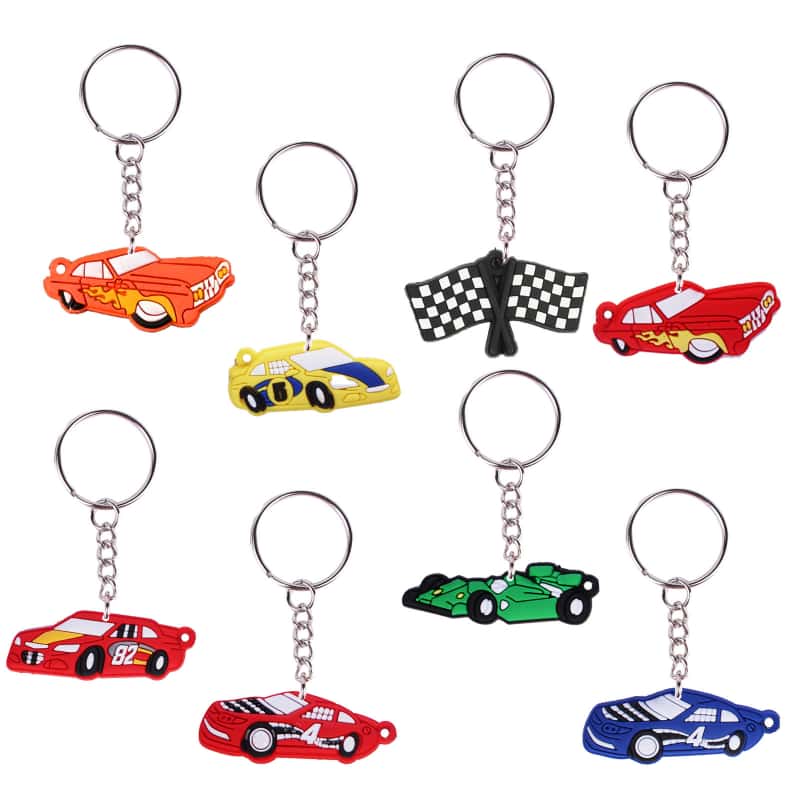
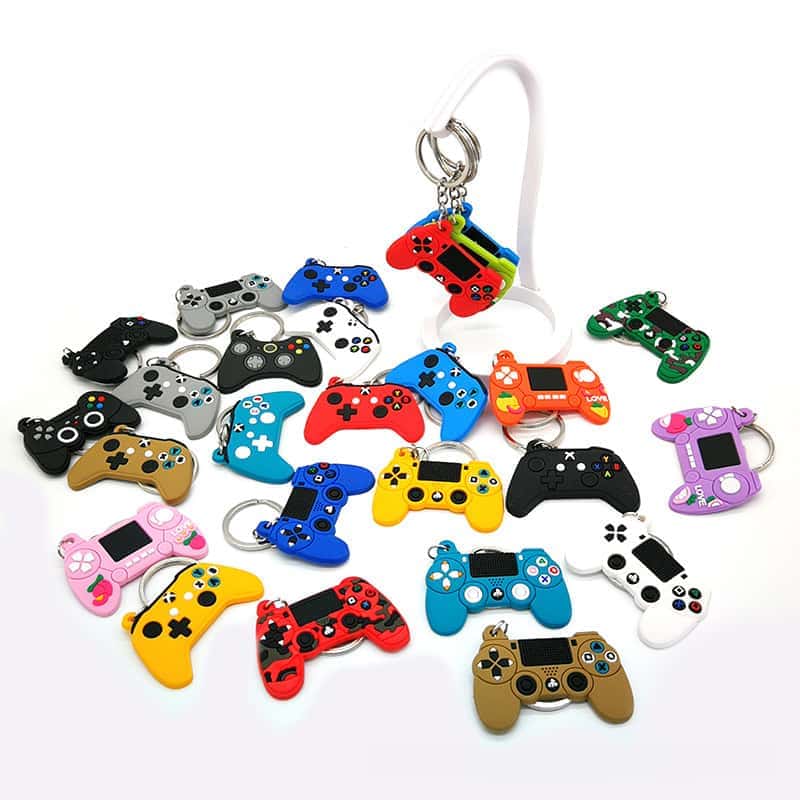
Responsibility for custom soft PVC keychains is shared by role, not transferred to one supplier. Manufacturers, importers, authorized representatives or responsible persons, distributors, and brands each have duties in relevant markets. The factory can document the agreed specification, arrange agreed testing, and provide records for the tested configuration. The buyer and importer still decide the destination, intended user, marketing claims, applicable rules, certification route, and required documentation.
For a smoother project, send compliance requirements with the first request for quotation, not after the mold or sample has been approved. Our PVC keychain production process explains the main factory stages, while the custom keychain mold and tooling guide explains how design changes can affect tooling and timing.
8. RFQ Checklist for Safe Custom Soft PVC Keychains
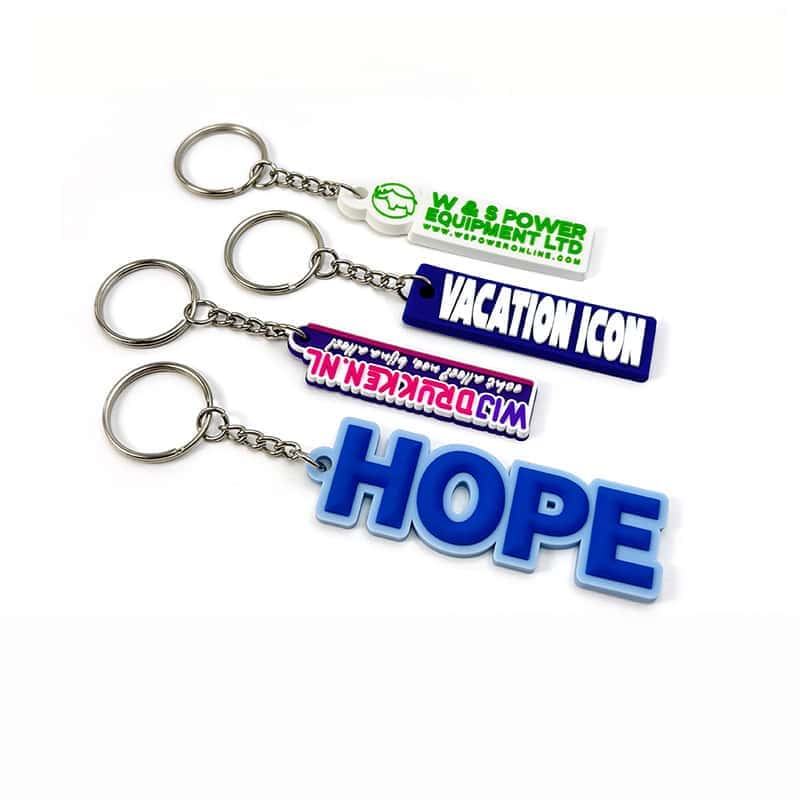
Send the same complete brief to every shortlisted supplier. This makes quotations comparable and allows the factory to identify classification, testing, timing, and cost issues before tooling begins.
- Destination country and sales channel.
- Intended user, age group, marketing context, and any play value.
- Artwork, buyer-owned or licensed marks, dimensions, thickness, and number of colors.
- Required PVC feel or hardness and the exact formulation restrictions.
- Attachment hardware, finish, pull-strength expectation, and packaging.
- Named substances, limits, test methods, laboratory, and required certificates.
- Quantity per design and colorway, target delivery date, and Incoterm.
- Sample approval, inspection terms, change control, and retest responsibility.
Commercial parameters such as MOQ, mold fee, sample timing, production time, and testing lead time depend on the approved design and season. See our custom keychain MOQ guide before finalizing the purchasing schedule.
Plan a Market-Specific Soft PVC Keychain Order
Send your destination market, intended user, artwork, quantity, attachment, packaging, and delivery date. HUASAN can return a product specification and testing plan matched to the agreed route. Start your planning enquiry or browse our custom keychain range first.
Frequently Asked Questions
Are custom soft PVC keychains safe for promotional use?
They can be safe when the finished product is correctly classified, specified for the destination market, made with controlled materials, and verified with appropriate testing. Safety cannot be assumed from the material name alone.
Does phthalate-free mean the keychain is compliant everywhere?
No. Define the exact phthalates, limits, test method, components, destination law, and product revision. Other chemical, mechanical, labeling, and traceability requirements may still apply.
Is a colorful PVC keychain automatically a children’s toy?
No. Classification considers intended use, age grading, packaging, advertising, foreseeable use, and play value. A product-specific assessment determines whether children’s-product or toy rules apply.
Can an old supplier test report cover a new order?
Only if it demonstrably matches the exact formulation, pigments, hardware, coatings, dimensions, packaging, and applicable test requirements. Relevant changes require revalidation or retesting.
Who owns the test report and market certificate?
The laboratory issues the report. The responsible manufacturer or importer completes certificates and declarations required for the destination market, using evidence for the tested configuration.
What happens if a soft PVC keychain fails a test?
Stop release, investigate the cause with the factory and laboratory, correct the material or component, update the controlled specification, and retest the corrected configuration before production continues.